

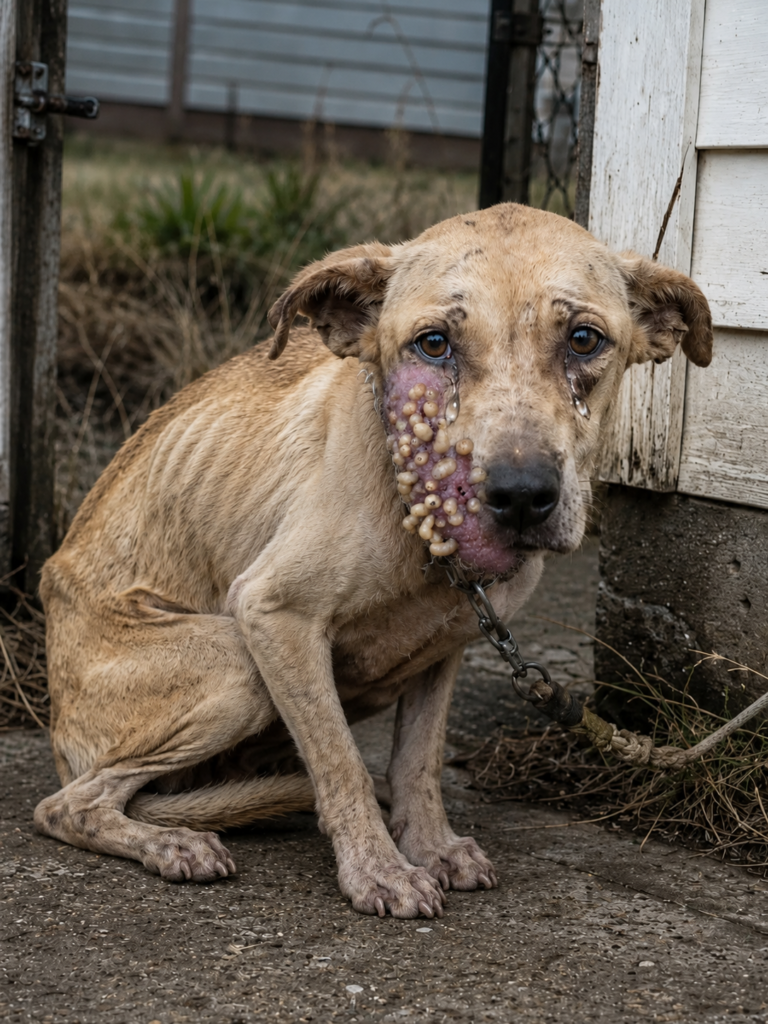
Dog owners often notice small bumps, pimples, redness, or swelling on their pet’s face and wonder if their dog has acne. While dogs can develop a condition known as canine acne, it is different from the acne commonly seen in humans. Many facial skin problems in dogs may look like acne but can actually be caused by infections, allergies, parasites, injuries, or other health conditions.
Understanding what causes bumps on a dog’s face is important because proper treatment depends on identifying the real problem. In this article, we will explore the most common reasons dogs develop facial bumps, how to recognize the symptoms, and what steps owners can take to keep their pets healthy.
Do Dogs Get Acne?
Yes, dogs can develop a condition called canine acne. It most commonly affects young dogs between five and eight months of age. Canine acne usually appears on the chin, lips, and muzzle. The condition may start as small red bumps and can progress into larger pustules if bacteria infect the area.
Unlike human acne, canine acne is not usually caused by hormones, oily skin, or poor hygiene. Instead, it is often linked to trauma, genetics, irritation, and bacterial infections.
Common Causes of Bumps on a Dog’s Face
1. Canine Acne
Canine acne is one of the most common causes of facial bumps in young dogs. The bumps may appear red, swollen, and sometimes filled with pus.
Symptoms
- Red bumps on the chin and muzzle
- Small pimples or pustules
- Swelling around the lips
- Pain when touched
- Occasional bleeding or crusting
Breeds at Higher Risk
Some breeds are more likely to develop canine acne, including:
- Boxer
- Bulldog
- Great Dane
- Rottweiler
- Doberman Pinscher
2. Bacterial Skin Infections
Bacterial infections can cause pimples, sores, and crusty patches on a dog’s face. These infections often occur when bacteria enter the skin through scratches or damaged hair follicles.
Signs of Bacterial Infection
- Redness
- Pus-filled bumps
- Hair loss
- Bad odor
- Itching
Without treatment, bacterial infections can spread and become more serious.
3. Allergic Reactions
Dogs can develop facial bumps due to allergies. Allergies may be triggered by food, environmental factors, medications, or contact with irritating substances.
Common Allergy Triggers
- Certain proteins in food
- Pollen
- Dust mites
- Grass
- Cleaning products
- Plastic food bowls
Allergic reactions often cause itching, redness, swelling, and small bumps around the face.
4. Insect Bites and Stings
Mosquitoes, bees, ants, and spiders can cause sudden swelling and bumps on a dog’s face.
Symptoms
- Rapid swelling
- Redness
- Itching
- Pain
- Puffiness around the eyes and muzzle
Some dogs may experience severe allergic reactions that require immediate veterinary attention.
5. Mites and Parasites
Skin parasites can create bumps and irritation that resemble acne.
Types of Parasites
Demodex Mites
Demodex mites naturally live on a dog’s skin, but excessive growth can lead to mange.
Sarcoptic Mites
These mites cause intense itching and skin inflammation.
Symptoms
- Hair loss
- Red bumps
- Scabs
- Severe itching
6. Fungal Infections
Fungal infections such as ringworm can affect a dog’s face.
Signs
- Circular patches of hair loss
- Redness
- Flaking skin
- Small bumps
Fungal infections are contagious and should be treated promptly.
7. Skin Cysts
Cysts are sacs filled with fluid, oil, or other materials that develop under the skin.
Characteristics
- Round lumps
- Slow growth
- Usually painless
- Can become infected
Although many cysts are harmless, some require veterinary evaluation.
8. Wart-Like Growths
Young dogs may develop papillomas, which are wart-like growths caused by a virus.
Features
- Small cauliflower-shaped bumps
- Usually around the mouth
- Often disappear on their own
Most papillomas are harmless but should be monitored.
9. Abscesses
An abscess is a pocket of infection that forms beneath the skin.
Causes
- Bite wounds
- Injuries
- Foreign objects
Symptoms
- Swollen lump
- Warm skin
- Pain
- Pus drainage
Abscesses often require veterinary treatment.
10. Tumors and Growths
Not every bump is acne. Some facial lumps may be tumors.
Warning Signs
- Rapid growth
- Bleeding
- Ulceration
- Irregular shape
Any persistent lump should be examined by a veterinarian.
How to Tell the Difference Between Acne and Other Skin Problems
Because many skin conditions look similar, it can be difficult to identify the exact cause.
Acne Usually Appears As
- Small red bumps
- Pimples on the chin
- Mild swelling
- Blackheads
Allergies Often Cause
- Itching
- Widespread redness
- Ear infections
- Paw licking
Parasites Usually Cause
- Severe itching
- Hair loss
- Scabs
Infections Often Cause
- Pus
- Crusting
- Bad smell
Accurate diagnosis is important because treatments differ significantly.
How Veterinarians Diagnose Facial Bumps
A veterinarian may perform:
Physical Examination
The skin, hair, and affected areas are carefully inspected.
Skin Scraping
Used to check for mites and parasites.
Cytology
Samples are examined under a microscope to identify bacteria or yeast.
Fungal Testing
Helps detect ringworm and other fungal infections.
Biopsy
Suspicious lumps may require laboratory testing.
Treatment Options
Treatment depends on the underlying cause.
For Canine Acne
- Medicated shampoos
- Antibacterial wipes
- Topical treatments
- Antibiotics for severe infections
For Allergies
- Allergy management
- Dietary changes
- Anti-inflammatory medications
For Parasites
- Prescription parasite treatments
- Medicated baths
For Infections
- Antibiotics
- Antifungal medications
For Cysts or Tumors
- Monitoring
- Surgical removal if necessary
Can You Treat Facial Bumps at Home?
Owners should avoid squeezing or popping bumps.
Safe steps include:
- Keeping the area clean
- Using stainless steel food bowls
- Washing bowls regularly
- Monitoring changes
Never apply human acne medications without veterinary guidance because some ingredients can be harmful to dogs.
How to Prevent Skin Problems on a Dog’s Face
Maintain Good Hygiene
Regular grooming helps keep skin healthy.
Clean Food and Water Bowls
Dirty bowls can harbor bacteria.
Feed a Balanced Diet
Proper nutrition supports skin health.
Control Parasites
Use veterinarian-approved prevention products.
Schedule Regular Checkups
Routine examinations help detect problems early.
When to See a Veterinarian
Seek veterinary care if your dog experiences:
- Severe swelling
- Pain
- Bleeding
- Pus discharge
- Rapidly growing lumps
- Difficulty eating
- Persistent skin problems
Early diagnosis can prevent complications and improve outcomes.
Conclusion
Although dogs can develop canine acne, many facial bumps are caused by other conditions such as bacterial infections, allergies, parasites, fungal infections, cysts, or even tumors. Because these conditions often look similar, proper diagnosis is essential. If your dog’s facial bumps persist, worsen, or cause discomfort, a veterinary examination is the safest way to determine the cause and begin appropriate treatment. With proper care and attention, most facial skin problems in dogs can be successfully managed, helping your pet stay comfortable and healthy.
