

Introduction
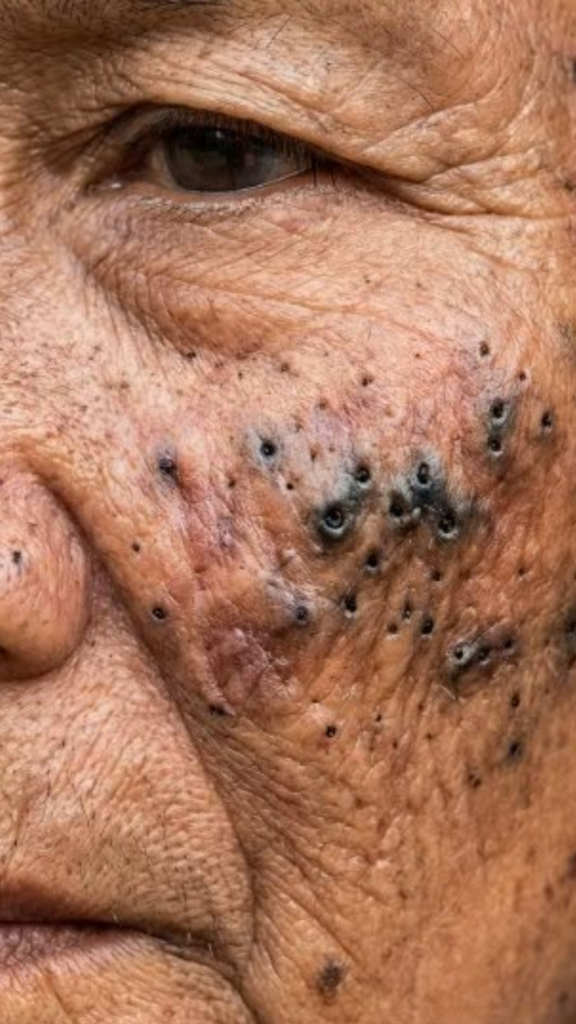
Large pimples can be painful, frustrating, and difficult to hide. They often appear unexpectedly and can affect your confidence, especially when they develop on visible areas like the face, nose, forehead, or chin. While it may be tempting to squeeze or pop a large pimple, doing so can make the problem worse and lead to scarring or infection.
In this guide, you will learn how to stop a large pimple, what causes it, and the best ways to treat and prevent future breakouts. By following proper skincare habits, you can keep your skin healthy and reduce the chances of developing painful acne.
What Causes Large Pimples?
Large pimples usually form when hair follicles become clogged with oil, dead skin cells, and bacteria. Several factors can contribute to their development:
1. Excess Oil Production
People with oily skin are more likely to experience large pimples because excess sebum can clog pores.
2. Hormonal Changes
Hormonal fluctuations during puberty, pregnancy, menstruation, or stress can increase oil production and trigger acne.
3. Bacterial Growth
The bacteria that naturally live on the skin can multiply inside clogged pores, causing inflammation and swelling.
4. Poor Skincare Habits
Using harsh products, not washing your face properly, or touching your skin frequently can contribute to breakouts.
5. Diet and Lifestyle
A diet high in sugary foods, processed snacks, and dairy products may worsen acne in some individuals.
Signs of a Large Pimple
A large pimple is usually easy to recognize. Common symptoms include:
- Redness and swelling
- Pain or tenderness
- A raised bump on the skin
- White or yellow pus at the center
- Warmth around the affected area
Some large pimples develop deep beneath the skin and may not have a visible head.
How to Stop a Large Pimple Quickly
1. Apply a Cold Compress
A cold compress can help reduce swelling and redness. Wrap ice in a clean cloth and place it on the pimple for 5 to 10 minutes.
Benefits include:
- Reduced inflammation
- Less pain
- Smaller appearance of the pimple
2. Use Benzoyl Peroxide
Benzoyl peroxide is one of the most effective acne treatments. It kills acne-causing bacteria and helps unclog pores.
How to use it:
- Apply a small amount directly to the pimple.
- Use once or twice daily.
- Follow the instructions on the product label.
3. Try Salicylic Acid
Salicylic acid helps remove dead skin cells and excess oil from pores. It is commonly found in acne cleansers and spot treatments.
Benefits:
- Unclogs pores
- Reduces inflammation
- Prevents future breakouts
4. Avoid Popping the Pimple
Popping a large pimple can push bacteria deeper into the skin and increase the risk of scarring.
Instead:
- Keep the area clean.
- Use appropriate treatments.
- Allow the pimple to heal naturally.
5. Apply Tea Tree Oil
Tea tree oil has natural antibacterial properties. Dilute it with a carrier oil before applying it to the skin.
Benefits include:
- Reduced redness
- Less bacterial growth
- Improved healing
Best Home Remedies for Large Pimples
Honey
Honey has natural antibacterial and anti-inflammatory properties.
How to use:
- Apply a small amount of raw honey to the pimple.
- Leave it on for 15–20 minutes.
- Rinse with warm water.
Aloe Vera
Aloe vera can soothe irritated skin and reduce redness.
Benefits:
- Calms inflammation
- Moisturizes skin
- Supports healing
Green Tea
Green tea contains antioxidants that may help reduce acne.
How to use:
- Brew green tea and allow it to cool.
- Apply it to the skin with a cotton pad.
Daily Skincare Routine to Prevent Large Pimples
Morning Routine
- Wash your face with a gentle cleanser.
- Apply an oil-free moisturizer.
- Use sunscreen with SPF 30 or higher.
Evening Routine
- Remove makeup completely.
- Cleanse your face.
- Apply acne treatment if needed.
- Moisturize before bed.
Consistency is important for maintaining clear skin.
Foods That May Help Reduce Acne
A healthy diet supports overall skin health.
Eat More:
- Fruits and vegetables
- Whole grains
- Nuts and seeds
- Fish rich in omega-3 fatty acids
- Plenty of water
Limit:
- Sugary drinks
- Processed foods
- Excess dairy products
- Fast food
While diet alone may not eliminate acne, it can help reduce inflammation.
Lifestyle Tips for Clear Skin
Manage Stress
Stress can trigger hormonal changes that contribute to acne.
Try:
- Meditation
- Deep breathing exercises
- Regular physical activity
- Adequate sleep
Keep Hands Away From Your Face
Touching your face can transfer bacteria and oil to your skin.
Clean Personal Items
Regularly clean:
- Pillowcases
- Mobile phones
- Makeup brushes
- Towels
These items can collect bacteria that may contribute to breakouts.
When to See a Dermatologist
Sometimes large pimples require professional treatment.
Consider seeing a dermatologist if:
- Pimples are very painful.
- Acne is severe or widespread.
- Over-the-counter products do not work.
- You develop scars.
- Breakouts frequently return.
A dermatologist may recommend prescription medications or advanced treatments.
Common Mistakes to Avoid
Overwashing Your Face
Washing too often can irritate the skin and increase oil production.
Using Too Many Products
Combining multiple acne treatments may cause dryness and irritation.
Skipping Moisturizer
Even oily skin needs hydration. Use a lightweight, non-comedogenic moisturizer.
Picking at Pimples
Picking can worsen inflammation and increase the risk of scars.
How Long Does a Large Pimple Take to Heal?
The healing time depends on the size and severity of the pimple.
- Small pimples may heal within a few days.
- Large inflamed pimples can take one to three weeks.
- Deep cystic acne may last longer.
Proper care can help speed up recovery and reduce complications.
Conclusion
Large pimples can be uncomfortable and frustrating, but they can often be managed with the right approach. Using proven treatments such as benzoyl peroxide, salicylic acid, cold compresses, and gentle skincare can help reduce swelling and promote healing. Avoid popping pimples, maintain a healthy lifestyle, and follow a consistent skincare routine to prevent future breakouts.
