

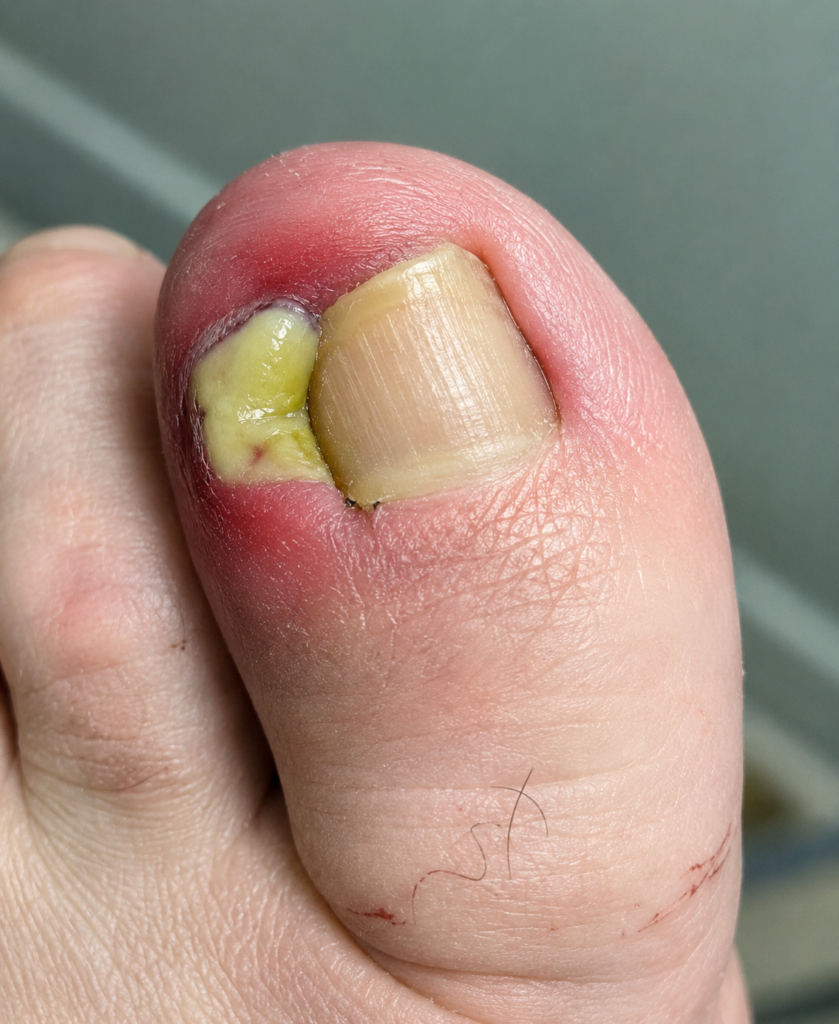
Healthy nails are an important part of personal appearance and overall health. However, many people notice that their nails become soft, weak, or damaged after being exposed to water for even a short time. If your nails become rough, peel, bend easily, or look unhealthy after being in water, you are not alone. This common problem can affect anyone and may be caused by several different factors.
In this article, we will discuss why nails get damaged in water, the signs of water-related nail damage, and the best ways to protect and strengthen your nails.
Why Do Nails Become Weak After Being in Water?
Although water seems harmless, frequent exposure can actually weaken nails. Nails are made of keratin, a protein that helps keep them strong. When nails absorb water, they expand. As they dry, they shrink again. Repeated expansion and contraction can weaken the nail structure over time.
This process may cause:
- Nail peeling
- Nail splitting
- Soft nails
- Brittle nails
- Cracks and breakage
People who wash dishes, clean frequently, swim regularly, or wash their hands many times a day are more likely to experience this issue.
Common Signs of Water-Damaged Nails
If water is damaging your nails, you may notice several symptoms:
1. Soft Nails
Healthy nails should be firm. If your nails feel soft after soaking in water, they may be absorbing too much moisture.
2. Peeling Layers
The top layers of the nail may begin to peel away from each other, making nails look rough and uneven.
3. Nail Splitting
Water damage can lead to vertical or horizontal splits in the nail.
4. Increased Breakage
Weak nails are more likely to crack or break during everyday activities.
5. White Spots or Discoloration
Sometimes repeated water exposure can cause temporary white spots or changes in nail color.
What Causes Nails to Get Damaged in Water?
Frequent Hand Washing
Washing your hands is important for hygiene, but excessive washing can strip natural oils from nails and surrounding skin.
Household Cleaning Products
Soap, detergents, and cleaning chemicals can worsen water-related nail damage by drying out the nail plate.
Long Baths and Showers
Spending long periods in water allows nails to absorb excessive moisture.
Swimming Pools
Chlorinated water can dry out and weaken nails over time.
Nutritional Deficiencies
Sometimes weak nails are not caused by water alone. A lack of important nutrients such as biotin, iron, zinc, and protein can make nails more vulnerable to damage.
Nail Fungus
In some cases, nails that become soft or damaged after water exposure may be affected by a fungal infection. Fungal infections thrive in moist environments.
How to Protect Your Nails From Water Damage
Wear Gloves
One of the simplest ways to protect your nails is by wearing waterproof gloves while:
- Washing dishes
- Cleaning the house
- Gardening
- Using cleaning chemicals
Gloves create a barrier between your nails and water.
Limit Prolonged Water Exposure
Try not to keep your hands submerged in water for long periods. Shorter showers and baths may help reduce nail damage.
Dry Your Hands Properly
After washing your hands, gently dry them completely, including around the nails and cuticles.
Use Moisturizer Regularly
Applying hand cream or cuticle oil after washing helps restore moisture and prevent dryness.
Good ingredients include:
- Coconut oil
- Vitamin E oil
- Shea butter
- Jojoba oil
Avoid Harsh Nail Products
Some nail polish removers contain acetone, which can further weaken nails. Choose gentler alternatives whenever possible.
Best Home Remedies for Weak Nails
Coconut Oil
Coconut oil is rich in healthy fats that help moisturize nails and surrounding skin.
How to use:
- Warm a small amount of coconut oil.
- Massage it into nails and cuticles.
- Leave overnight.
Olive Oil Soak
Olive oil helps improve nail flexibility and reduces brittleness.
How to use:
- Warm a small bowl of olive oil.
- Soak nails for 10 minutes.
- Repeat several times per week.
Vitamin E Oil
Vitamin E helps nourish damaged nails and may support healthy growth.
Aloe Vera Gel
Aloe vera provides hydration and may help improve nail appearance.
Foods That Support Strong Nails
Your diet plays a major role in nail health.
Protein-Rich Foods
Since nails are made of keratin, protein is essential.
Examples:
- Eggs
- Fish
- Chicken
- Beans
- Lentils
Biotin-Rich Foods
Biotin is known to support stronger nails.
Examples:
- Eggs
- Nuts
- Seeds
- Sweet potatoes
Iron-Rich Foods
Iron deficiency can lead to brittle nails.
Examples:
- Spinach
- Red meat
- Lentils
- Beans
Zinc-Rich Foods
Zinc supports healthy nail growth.
Examples:
- Pumpkin seeds
- Seafood
- Chickpeas
When Should You See a Doctor?
Sometimes nail problems may indicate an underlying medical condition.
Consult a healthcare professional if you notice:
- Severe nail pain
- Nail separation from the nail bed
- Persistent discoloration
- Thickened nails
- Signs of infection
- Sudden changes in nail appearance
A doctor or dermatologist can determine whether the problem is caused by water damage, fungal infection, psoriasis, eczema, or another condition.
Daily Nail Care Routine
To keep nails healthy:
- Trim nails regularly.
- Keep nails clean and dry.
- Apply cuticle oil daily.
- Wear gloves during household chores.
- Avoid biting nails.
- Eat a balanced diet.
- Stay hydrated.
- Use gentle nail products.
Following these simple habits can significantly improve nail strength over time.
Conclusion
If your nails become damaged after being in water, the most likely cause is repeated moisture exposure combined with loss of natural oils. Water can weaken the nail structure, leading to peeling, splitting, softness, and breakage. Fortunately, simple protective measures such as wearing gloves, moisturizing regularly, limiting water exposure, and maintaining a healthy diet can help restore nail strength.
With proper care and consistency, most water-damaged nails can recover and become healthier, stronger, and more attractive. If symptoms persist or worsen, consulting a dermatologist is recommended to rule out any underlying nail conditions.
