

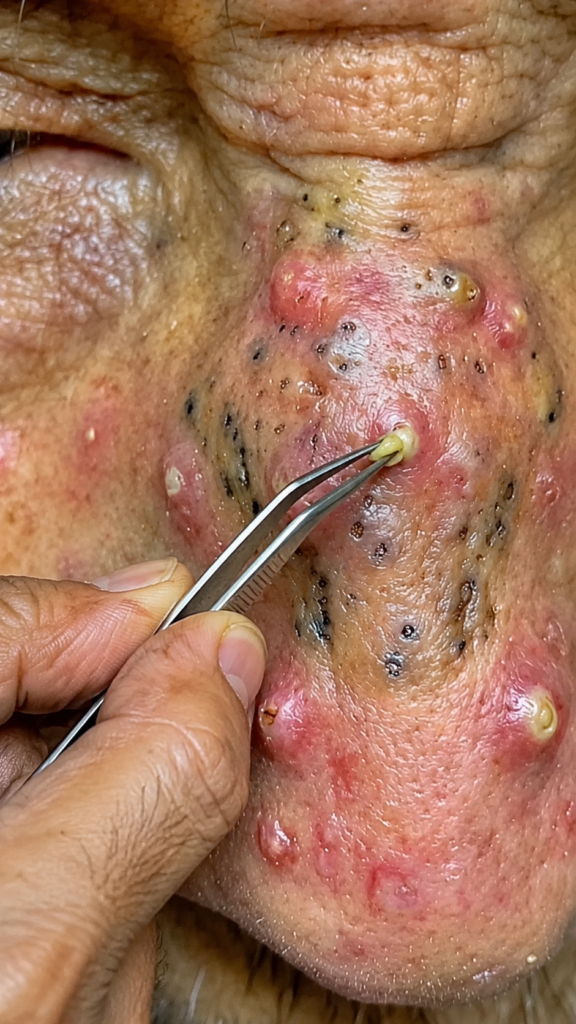
Many people notice dark patches, black spots, or discoloration on the nose that make the skin look uneven and unhealthy. Since the nose is one of the most visible parts of the face, these dark areas can affect confidence and make the skin appear dull.
The good news is that most dark spots on the nose can be improved with proper skincare, healthy habits, and effective treatments. Understanding the cause is the first step toward achieving clearer skin.
What Are Dark Spots on the Nose?
Dark spots on the nose are areas where the skin produces more pigment than surrounding skin. These spots can appear as small dots, patches, or larger dark areas.
Sometimes people mistake blackheads for dark spots. While blackheads are clogged pores filled with oil and dead skin cells, dark spots are usually caused by excess melanin production.
The appearance of these spots can vary depending on skin type, age, and the underlying cause.
Common Causes of Dark Spots on the Nose
1. Sun Exposure
One of the most common causes of dark spots is excessive sun exposure. Ultraviolet (UV) rays stimulate the production of melanin, the pigment responsible for skin color.
When the skin is exposed to sunlight without protection, dark patches can develop on areas such as the nose, cheeks, and forehead.
2. Post-Inflammatory Hyperpigmentation
After acne, pimples, or skin irritation heal, they may leave behind dark marks. This condition is known as post-inflammatory hyperpigmentation.
People who frequently squeeze pimples on the nose are more likely to develop these dark spots.
3. Blackheads and Enlarged Pores
The nose contains many oil glands. Excess oil can clog pores and form blackheads. Over time, these blackheads may create a dark appearance that makes the nose look uneven.
4. Hormonal Changes
Hormonal fluctuations can trigger increased melanin production. This may occur during pregnancy, puberty, or due to hormonal disorders.
5. Aging
As people age, their skin becomes more prone to pigmentation issues. Age spots often appear on areas frequently exposed to sunlight, including the nose.
6. Skin Irritation
Harsh scrubs, strong skincare products, and excessive rubbing can irritate the skin. Repeated irritation may lead to discoloration and dark patches.
Signs That Your Dark Spots Need Medical Attention
Most dark spots are harmless. However, you should consult a dermatologist if you notice:
- Rapid changes in size or color
- Irregular borders
- Bleeding or itching
- Persistent pain
- Spots that do not improve over time
Professional evaluation helps rule out serious skin conditions.
Effective Home Remedies for Dark Spots on the Nose
Aloe Vera
Aloe vera contains compounds that may help reduce pigmentation and soothe irritated skin.
How to use:
- Apply fresh aloe vera gel to the nose.
- Leave it on for 20 minutes.
- Rinse with lukewarm water.
- Repeat daily.
Honey and Lemon Mask
Honey moisturizes the skin while lemon contains natural brightening properties.
How to use:
- Mix one teaspoon of honey with a few drops of lemon juice.
- Apply to the affected area.
- Leave for 10–15 minutes.
- Wash gently.
People with sensitive skin should use lemon carefully to avoid irritation.
Yogurt Mask
Yogurt contains lactic acid, which gently exfoliates dead skin cells.
How to use:
- Apply plain yogurt to the nose.
- Leave for 15 minutes.
- Rinse thoroughly.
Regular use may improve skin texture and brightness.
Turmeric Paste
Turmeric has antioxidant and anti-inflammatory properties.
How to use:
- Mix turmeric with a small amount of water or yogurt.
- Apply to dark areas.
- Leave for 10 minutes.
- Wash off gently.
Best Skincare Ingredients for Dark Spots
Vitamin C
Vitamin C is one of the most popular ingredients for reducing pigmentation.
Benefits include:
- Brightening the skin
- Reducing dark spots
- Protecting against environmental damage
- Promoting an even skin tone
Niacinamide
Niacinamide helps reduce discoloration and improve the appearance of enlarged pores.
Salicylic Acid
This ingredient is particularly useful for oily skin and blackheads.
Benefits:
- Unclogs pores
- Reduces excess oil
- Improves skin texture
- Prevents future breakouts
Retinol
Retinol encourages skin cell turnover and helps fade pigmentation over time.
Alpha Hydroxy Acids (AHAs)
AHAs gently remove dead skin cells and reveal brighter skin underneath.
Daily Skincare Routine for a Clearer Nose
Morning Routine
- Cleanse your face with a gentle cleanser.
- Apply a Vitamin C serum.
- Use a lightweight moisturizer.
- Apply sunscreen with SPF 30 or higher.
Evening Routine
- Remove dirt and makeup.
- Cleanse thoroughly.
- Apply treatment products such as niacinamide or retinol.
- Moisturize before bed.
Consistency is the key to seeing results.
Professional Treatments for Stubborn Dark Spots
Chemical Peels
Chemical peels remove damaged outer skin layers and improve pigmentation.
Microdermabrasion
This treatment exfoliates the skin and helps reduce discoloration.
Laser Therapy
Laser treatments target excess pigment directly and can significantly improve dark spots.
Prescription Creams
Dermatologists may prescribe stronger treatments containing hydroquinone, tretinoin, or other active ingredients.
How to Prevent Dark Spots on the Nose
Wear Sunscreen Every Day
Sun protection is the most important step in preventing pigmentation.
Avoid Picking Pimples
Squeezing acne can cause inflammation and leave dark marks.
Use Gentle Skincare Products
Avoid harsh scrubs and strong chemicals that can irritate the skin.
Stay Hydrated
Proper hydration supports healthy skin function and appearance.
Eat a Balanced Diet
Foods rich in vitamins and antioxidants can contribute to healthier skin.
Examples include:
- Oranges
- Berries
- Leafy greens
- Nuts
- Fish
Common Mistakes to Avoid
Many people unintentionally worsen dark spots by:
- Over-exfoliating
- Skipping sunscreen
- Using too many skincare products at once
- Picking at blackheads
- Expecting instant results
Skin improvement takes time and patience.
Frequently Asked Questions
Can dark spots on the nose disappear naturally?
Some mild dark spots may fade over time, especially if the underlying cause is treated and sun protection is used consistently.
Are blackheads the same as dark spots?
No. Blackheads are clogged pores, while dark spots are areas of increased pigmentation.
How long does it take to remove dark spots?
Results vary depending on the cause and treatment. Many people notice improvements within several weeks to a few months.
Is sunscreen necessary even indoors?
Yes. UV rays can pass through windows, making daily sunscreen use beneficial.
Conclusion
Dark spots on the nose are a common skincare concern that can result from sun exposure, acne, blackheads, aging, or irritation. Fortunately, many effective treatments are available, ranging from home remedies and skincare products to professional dermatological procedures.
The best approach is to combine gentle skincare, daily sunscreen use, and patience. With consistent care, you can gradually reduce dark spots, improve skin texture, and restore a brighter, healthier-looking nose.
