

Introduction
Hard pimples can be frustrating, painful, and difficult to get rid of. Unlike regular acne, hard pimples often develop deep beneath the skin and may remain for days or even weeks. They can cause discomfort, redness, swelling, and sometimes leave scars if not treated properly. Understanding the causes of stubborn hard pimples and learning the right treatment methods can help you achieve clearer and healthier skin.
In this article, we will discuss what hard pimples are, why they occur, effective treatments, and prevention tips to keep your skin healthy.
What Are Hard Pimples?
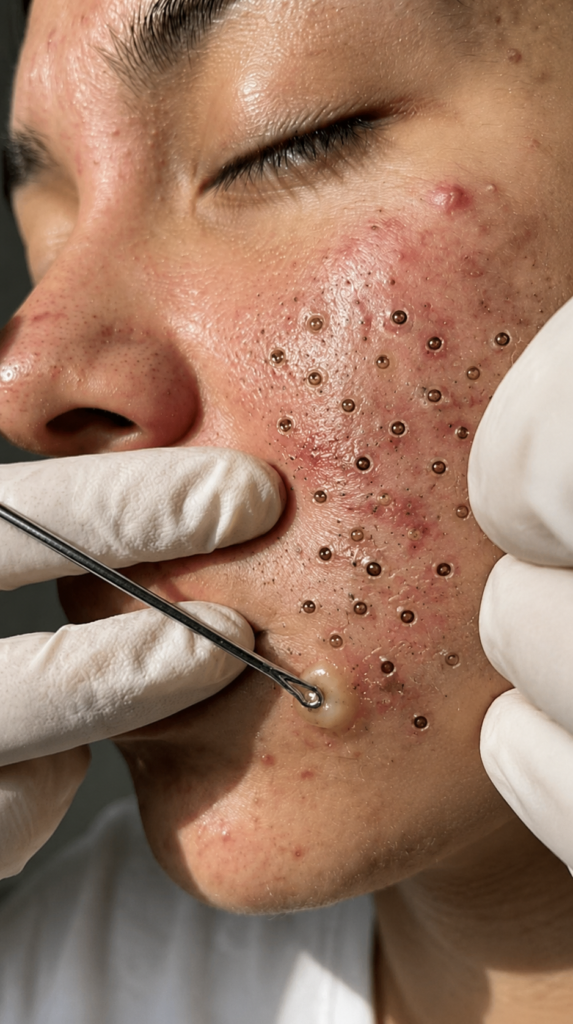
Hard pimples are deep, inflamed acne lesions that form beneath the surface of the skin. They usually feel like painful bumps and may not have a visible whitehead. These pimples are often associated with cystic acne or nodular acne, which are more severe forms of acne.
Because they develop deep within the skin, hard pimples can take longer to heal than ordinary pimples. Squeezing or picking them can make the condition worse and increase the risk of scarring.
Common Causes of Hard Pimples
1. Excess Oil Production
The skin naturally produces oil, known as sebum, to keep itself moisturized. However, excessive oil production can clog pores and create an environment where acne-causing bacteria thrive.
2. Hormonal Changes
Hormonal fluctuations are one of the leading causes of hard pimples. Teenagers, pregnant women, and individuals experiencing hormonal imbalances may notice an increase in deep acne breakouts.
3. Bacterial Growth
When pores become blocked with oil and dead skin cells, bacteria can multiply inside the pore. This can lead to inflammation and the formation of painful hard pimples.
4. Stress
High stress levels may trigger hormonal changes that increase oil production, making acne worse. Stress does not directly cause acne, but it can contribute to flare-ups.
5. Poor Skincare Habits
Using harsh skincare products, sleeping with makeup on, or failing to cleanse the skin properly can contribute to clogged pores and stubborn pimples.
6. Diet Factors
Some studies suggest that high-sugar foods, processed foods, and excessive dairy consumption may worsen acne in certain individuals.
Symptoms of Hard Pimples
Hard pimples often have the following characteristics:
- Painful or tender to touch
- Red and inflamed appearance
- Deep under the skin
- No visible whitehead
- Swollen bump that feels firm
- May remain for several days or weeks
If multiple hard pimples appear frequently, it may indicate a more severe acne condition that requires medical treatment.
Effective Treatments for Hard Pimples
1. Apply a Warm Compress
A warm compress can help reduce inflammation and encourage the pimple to heal naturally.
How to Use:
- Soak a clean cloth in warm water.
- Apply it to the affected area for 10–15 minutes.
- Repeat 3–4 times daily.
This method may help relieve pain and improve blood circulation around the pimple.
2. Use Benzoyl Peroxide
Benzoyl peroxide is a popular acne treatment that helps kill acne-causing bacteria and reduce inflammation.
Benefits include:
- Reducing bacterial growth
- Unclogging pores
- Preventing future breakouts
Start with a lower concentration to avoid skin irritation.
3. Salicylic Acid Treatment
Salicylic acid works by exfoliating the skin and clearing blocked pores.
Benefits:
- Removes excess oil
- Exfoliates dead skin cells
- Reduces inflammation
It is commonly found in acne cleansers, toners, and spot treatments.
4. Ice Therapy
Applying ice can help reduce swelling and redness.
Instructions:
- Wrap an ice cube in a clean cloth.
- Apply to the pimple for 1–2 minutes.
- Repeat several times throughout the day.
Ice is particularly useful for reducing pain associated with hard pimples.
5. Retinoid Creams
Retinoids help increase skin cell turnover and prevent clogged pores.
Common benefits include:
- Faster acne healing
- Improved skin texture
- Reduced future breakouts
Retinoids should be used consistently for best results.
6. Tea Tree Oil
Tea tree oil has natural antibacterial and anti-inflammatory properties.
How to Use:
- Dilute tea tree oil with a carrier oil.
- Apply a small amount to the pimple.
- Use once or twice daily.
Always perform a patch test before using essential oils on the skin.
What Not to Do
Avoid Popping Hard Pimples
One of the biggest mistakes people make is squeezing hard pimples.
Popping can:
- Push bacteria deeper into the skin
- Increase inflammation
- Cause infection
- Lead to permanent scarring
Allow the pimple to heal naturally or seek professional treatment if necessary.
Avoid Harsh Scrubbing
Aggressive scrubbing can irritate the skin and worsen acne.
Instead:
- Use gentle cleansers
- Wash your face twice daily
- Avoid abrasive exfoliants
Natural Home Remedies
Honey
Honey contains natural antibacterial properties and may help soothe inflamed skin.
Aloe Vera
Aloe vera gel can reduce redness and support skin healing.
Green Tea
Green tea contains antioxidants that may help decrease inflammation and oil production.
Apply cooled green tea to the skin using a cotton pad for a calming effect.
When to See a Dermatologist
You should consult a dermatologist if:
- Hard pimples occur frequently
- Acne is painful and severe
- Over-the-counter treatments do not work
- Pimples leave scars
- Acne affects your confidence or emotional well-being
A dermatologist may recommend prescription treatments such as oral antibiotics, stronger retinoids, hormonal therapy, or other advanced options.
Prevention Tips
1. Follow a Consistent Skincare Routine
Use:
- Gentle cleanser
- Non-comedogenic moisturizer
- Sunscreen daily
Consistency is key to maintaining healthy skin.
2. Keep Your Hands Off Your Face
Touching your face frequently can transfer bacteria and oil to the skin.
3. Change Pillowcases Regularly
Dirty pillowcases can collect oil, bacteria, and dead skin cells.
Replace them at least once or twice per week.
4. Stay Hydrated
Drinking enough water supports overall skin health and may help maintain a healthy complexion.
5. Eat a Balanced Diet
Focus on:
- Fruits
- Vegetables
- Whole grains
- Lean proteins
Limiting sugary and highly processed foods may benefit acne-prone skin.
6. Manage Stress
Regular exercise, meditation, and proper sleep can help reduce stress-related acne flare-ups.
Conclusion
Stubborn hard pimples can be painful and challenging to treat, but with the right skincare approach, they can be managed effectively. Using treatments such as benzoyl peroxide, salicylic acid, warm compresses, and proper skincare habits can help reduce inflammation and speed healing. Avoid squeezing or picking at hard pimples, as this can worsen the condition and cause scarring.
If your acne is severe, persistent, or causing emotional distress, seek professional advice from a dermatologist. With patience and consistent care, healthier and clearer skin is achievable.
