

Introduction
Makeup helps enhance beauty, boost confidence, and create a flawless appearance. However, for many people, frequent makeup use can lead to an unexpected problem: acne breakouts. If you have noticed pimples, blackheads, whiteheads, or painful acne appearing all over your face after using makeup, you are not alone. Makeup-related acne is a common skin concern that affects people of all ages.
Understanding why makeup can cause acne and learning how to prevent it can help you maintain healthy, clear skin while still enjoying your favorite beauty products. In this article, we will discuss the causes of makeup-induced acne, effective treatment options, and practical prevention tips.
What Is Makeup-Induced Acne?
Makeup-induced acne, often called cosmetic acne, occurs when beauty products clog pores, irritate the skin, or trigger inflammation. This type of acne can appear on the forehead, cheeks, chin, nose, and jawline. It often develops gradually and may worsen with continued use of unsuitable products.
People with oily or acne-prone skin are especially vulnerable, but anyone can experience breakouts if the wrong makeup products are used.
Why Does Makeup Cause Acne?
1. Pore-Clogging Ingredients
Many makeup products contain ingredients that can block pores. When pores become clogged with oil, dead skin cells, and makeup residue, acne-causing bacteria can grow, leading to pimples and breakouts.
Common pore-clogging ingredients include:
- Heavy oils
- Lanolin
- Coconut oil
- Certain silicones
- Thick waxes
Choosing non-comedogenic makeup products can help reduce the risk of clogged pores.
2. Sleeping With Makeup On
One of the biggest causes of makeup-related acne is sleeping without removing makeup. During the day, makeup collects dirt, oil, sweat, and environmental pollutants. Leaving these substances on the skin overnight can clog pores and trigger inflammation.
Proper cleansing before bed is essential for maintaining healthy skin.
3. Expired Makeup Products
Old makeup products can become breeding grounds for bacteria. Using expired foundation, concealer, powder, or mascara may introduce harmful bacteria to your skin, increasing the likelihood of acne and skin irritation.
Always check expiration dates and replace products regularly.
4. Dirty Makeup Brushes and Sponges
Makeup tools collect oil, dead skin cells, bacteria, and product buildup. When dirty brushes or sponges are used repeatedly, these contaminants are transferred back onto the skin.
Experts recommend washing makeup brushes at least once a week and cleaning beauty sponges after every few uses.
5. Allergic Reactions and Skin Sensitivity
Some individuals may be sensitive to fragrances, preservatives, dyes, or other chemicals found in makeup products. Skin irritation can cause redness, inflammation, and acne-like breakouts.
If your skin reacts negatively to a particular product, discontinue use immediately.
6. Heavy Makeup Application
Applying multiple layers of foundation, concealer, primer, and powder can create a barrier that traps oil and sweat beneath the skin. Over time, this can lead to clogged pores and acne formation.
Lightweight makeup products are often a better choice for acne-prone skin.
Signs of Makeup-Induced Acne
Common symptoms include:
- Small red bumps
- Whiteheads
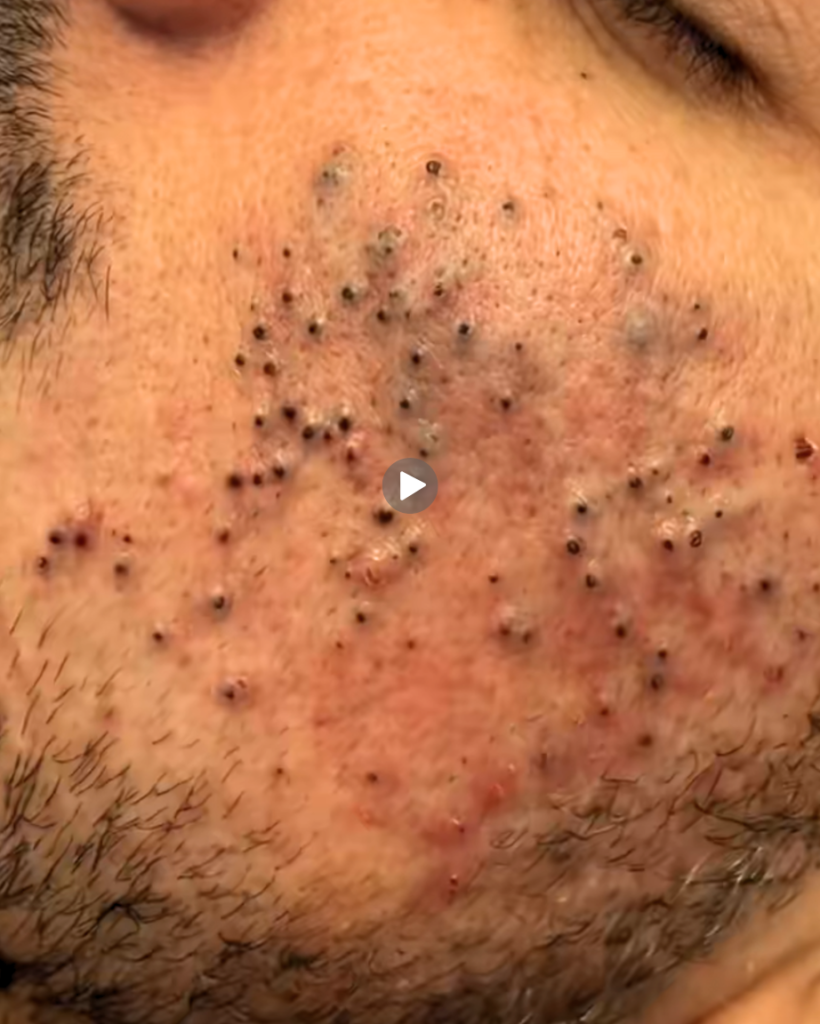
- Blackheads
- Painful pimples
- Inflamed skin
- Breakouts concentrated in areas where makeup is applied
- Increased skin oiliness
These symptoms often become noticeable days or weeks after starting a new makeup product.
How to Treat Acne Caused by Makeup
Stop Using the Suspected Product
If you notice breakouts after introducing a new makeup item, stop using it for a few weeks. This can help determine whether the product is causing your acne.
Use a Gentle Cleanser
Wash your face twice daily with a mild, non-irritating cleanser. Avoid harsh scrubbing, as it can worsen inflammation and irritation.
Look for cleansers containing:
- Salicylic acid
- Benzoyl peroxide
- Tea tree oil
- Niacinamide
Apply Acne Treatments
Over-the-counter acne treatments can help reduce breakouts.
Popular ingredients include:
- Salicylic acid
- Benzoyl peroxide
- Adapalene
- Sulfur-based treatments
Always follow product instructions carefully to avoid excessive dryness.
Keep Skin Hydrated
Many people mistakenly believe acne-prone skin does not need moisturizer. In reality, dehydration can cause the skin to produce even more oil.
Choose an oil-free, non-comedogenic moisturizer to maintain a healthy skin barrier.
Avoid Picking Pimples
Picking or squeezing acne lesions can spread bacteria, increase inflammation, and cause permanent scarring.
Allow blemishes to heal naturally whenever possible.
Best Makeup Products for Acne-Prone Skin
When shopping for makeup, look for labels that say:
- Non-comedogenic
- Oil-free
- Fragrance-free
- Hypoallergenic
- Dermatologist-tested
Products designed specifically for acne-prone skin are generally less likely to trigger breakouts.
Recommended Product Types
- Mineral foundation
- Lightweight BB creams
- Oil-free concealers
- Loose mineral powders
- Water-based primers
These products allow the skin to breathe while providing coverage.
Daily Skincare Routine for Acne-Prone Skin
Morning Routine
- Gentle cleanser
- Acne treatment serum
- Lightweight moisturizer
- Sunscreen SPF 30 or higher
- Non-comedogenic makeup
Evening Routine
- Makeup remover
- Gentle cleanser
- Acne treatment
- Moisturizer
Consistency is key to achieving long-term skin improvement.
How to Prevent Makeup-Related Acne
Remove Makeup Every Night
Never go to bed wearing makeup. Double cleansing can help remove all traces of foundation, sunscreen, and dirt.
Clean Makeup Tools Regularly
Wash brushes and sponges frequently to prevent bacterial buildup.
Choose Quality Products
Invest in reputable brands that formulate products for sensitive or acne-prone skin.
Avoid Sharing Makeup
Sharing makeup can spread bacteria and increase the risk of infections and breakouts.
Check Product Ingredients
Read ingredient labels carefully and avoid products known to clog pores.
Replace Makeup Regularly
Replace products according to their recommended lifespan:
- Mascara: Every 3 months
- Liquid foundation: Every 6–12 months
- Concealer: Every 6–12 months
- Powder products: Every 1–2 years
When to See a Dermatologist
If your acne continues despite changing makeup products and improving your skincare routine, consult a dermatologist.
Professional treatment may include:
- Prescription creams
- Oral medications
- Chemical peels
- Laser therapy
- Hormonal treatments
Early treatment can help prevent permanent acne scars.
Conclusion
Acne caused by makeup is a frustrating but manageable problem. Pore-clogging ingredients, dirty makeup tools, expired products, and poor cleansing habits are among the most common causes. By choosing non-comedogenic makeup, maintaining a proper skincare routine, and keeping makeup tools clean, you can significantly reduce breakouts and improve your skin’s health.
Remember that healthy skin starts with good habits. If makeup is causing acne all over your face, identifying the trigger and making small changes to your beauty routine can help restore a clear, glowing complexion. With patience and consistent care, you can enjoy wearing makeup without sacrificing your skin’s health.
