

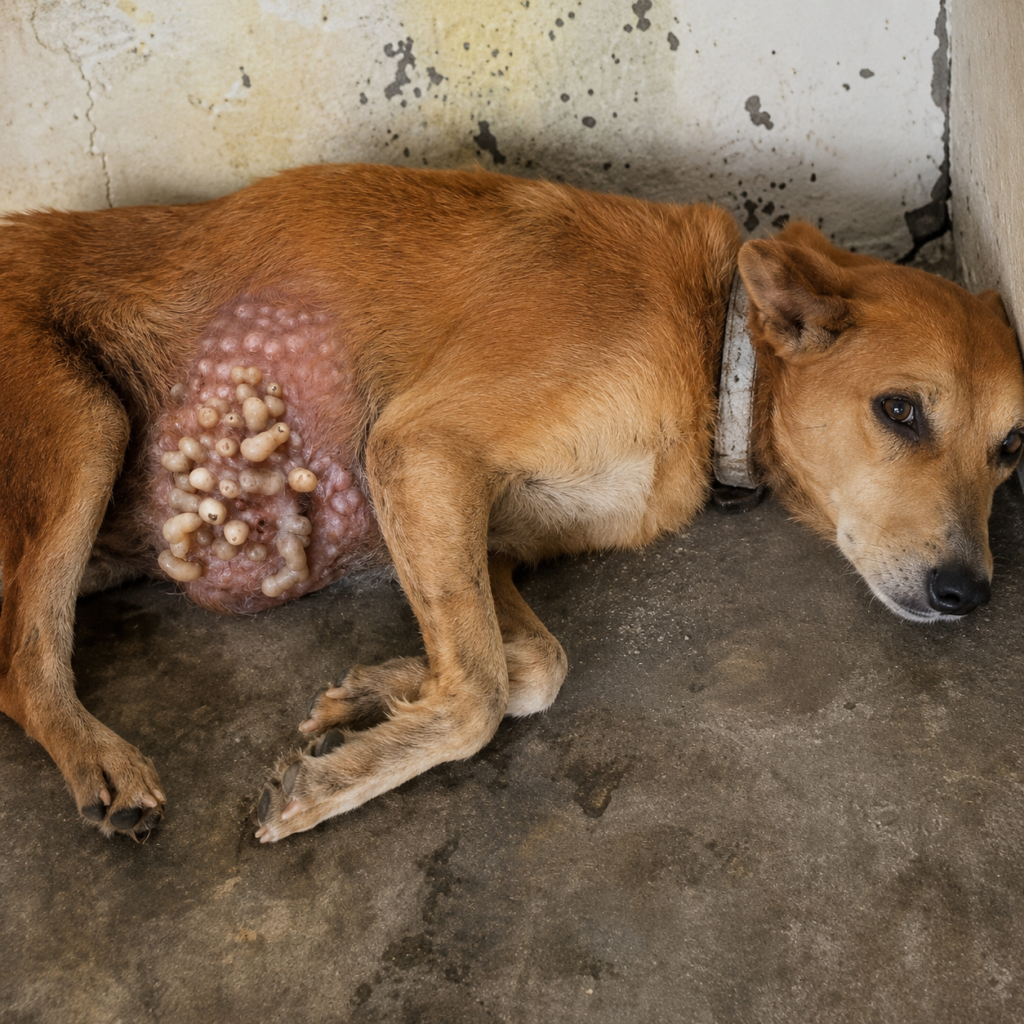
Dogs are loyal companions that bring joy and happiness to millions of families worldwide. However, like all animals, they can suffer from various health issues, including worm infections. Intestinal worms are one of the most common health problems in dogs and can affect puppies as well as adult dogs. Recognizing dog worm symptoms early can help prevent serious health complications and ensure your pet receives proper treatment.
In this article, we will discuss the common symptoms of worms in dogs, the types of worms that affect dogs, treatment options, and preventive measures to keep your furry friend healthy.
What Are Dog Worms?
Dog worms are parasites that live inside a dog’s body, feeding on nutrients from their host. These parasites can affect the digestive system, lungs, heart, and other organs. Some worms are visible in a dog’s stool, while others require veterinary testing to diagnose.
The most common types of worms found in dogs include:
- Roundworms
- Hookworms
- Tapeworms
- Whipworms
- Heartworms
Each type of worm causes different symptoms and health concerns.
Common Dog Worm Symptoms
Many dog owners may not realize their pet has worms until symptoms become noticeable. The severity of symptoms depends on the type of worm and the level of infestation.
1. Diarrhea
One of the earliest signs of worm infection is diarrhea. Dogs infected with intestinal worms often experience loose stools because the parasites irritate the digestive tract.
2. Vomiting
Worm-infested dogs may vomit frequently. In severe cases, worms may even be visible in the vomit, especially roundworms.
3. Weight Loss
Despite eating normally, dogs with worms often lose weight because parasites consume nutrients intended for the dog’s body.
4. Bloated Abdomen
A swollen or pot-bellied appearance is particularly common in puppies infected with roundworms. This symptom may indicate a heavy worm burden.
5. Changes in Appetite
Some dogs may lose interest in food, while others may become unusually hungry due to nutrient deficiencies caused by parasites.
6. Visible Worms in Stool
Certain worms, such as tapeworms, may appear in a dog’s feces. They often look like small grains of rice or white segments.
7. Scooting
Dogs with worms may drag their rear end across the floor. This behavior, known as scooting, occurs because worms can cause irritation around the anus.
8. Lethargy
A dog infected with worms may seem tired, weak, and less active than usual. Lack of nutrients often contributes to fatigue.
9. Poor Coat Condition
Healthy dogs usually have shiny coats. Worm infestations can lead to dull, dry, or rough fur due to nutrient loss.
10. Coughing
Heartworms and certain lungworms can affect the respiratory system, causing coughing and breathing difficulties.
Symptoms of Specific Types of Dog Worms
Roundworm Symptoms
Roundworms are among the most common parasites in dogs, especially puppies.
Symptoms include:
- Pot-bellied appearance
- Vomiting
- Diarrhea
- Weight loss
- Visible worms in stool
Hookworm Symptoms
Hookworms feed on a dog’s blood and can cause severe anemia.
Symptoms include:
- Pale gums
- Weakness
- Bloody stool
- Weight loss
- Skin irritation
Tapeworm Symptoms
Tapeworms attach themselves to the intestinal wall and absorb nutrients.
Symptoms include:
- Rice-like segments in stool
- Scooting
- Mild digestive upset
- Weight loss
Whipworm Symptoms
Whipworms inhabit the large intestine and can be difficult to detect.
Symptoms include:
- Chronic diarrhea
- Weight loss
- Dehydration
- Weakness
Heartworm Symptoms
Heartworms live in the heart and lungs and can become life-threatening.
Symptoms include:
- Persistent cough
- Fatigue after exercise
- Difficulty breathing
- Weight loss
- Heart failure in severe cases
How Do Dogs Get Worms?
Dogs can become infected with worms through various sources, including:
Contaminated Soil
Many worm eggs survive in soil for months. Dogs can ingest these eggs while sniffing or licking contaminated areas.
Fleas
Tapeworms are commonly transmitted through infected fleas. When dogs groom themselves and swallow fleas, they may become infected.
Infected Animals
Dogs may contract worms by consuming infected rodents, wildlife, or feces from other animals.
Mother to Puppy Transmission
Puppies can acquire roundworms and hookworms from their mother during pregnancy or nursing.
Mosquito Bites
Heartworms are transmitted through mosquito bites. Even indoor dogs can become infected.
Diagnosing Worms in Dogs
A veterinarian can diagnose worm infections through:
- Fecal examinations
- Blood tests
- Physical examinations
- Imaging tests for heartworms
Regular veterinary checkups are essential because some worm infections show few symptoms during the early stages.
Treatment for Dog Worms
Fortunately, most worm infections are treatable with proper medication.
Deworming Medications
Veterinarians prescribe deworming drugs designed to kill specific parasites. Common treatments include:
- Pyrantel pamoate
- Fenbendazole
- Praziquantel
- Milbemycin oxime
Always follow veterinary instructions when administering medications.
Heartworm Treatment
Heartworm treatment is more complex and may involve:
- Injectable medications
- Activity restriction
- Antibiotics
- Long-term monitoring
Because heartworm treatment can be costly and risky, prevention is highly recommended.
How to Prevent Worms in Dogs
Preventing worm infections is easier and safer than treating severe infestations.
1. Regular Deworming
Follow a veterinarian-approved deworming schedule, especially for puppies.
2. Use Heartworm Prevention
Monthly heartworm preventatives provide protection against dangerous heartworm infections.
3. Control Fleas
Since fleas spread tapeworms, maintaining flea control is crucial.
4. Clean Up Waste Promptly
Removing dog feces from your yard reduces environmental contamination.
5. Schedule Routine Veterinary Exams
Annual or semiannual health checks help detect parasites before symptoms become severe.
6. Avoid Contaminated Areas
Limit your dog’s exposure to areas heavily contaminated with animal waste.
Can Dog Worms Infect Humans?
Some dog worms can be transmitted to humans. Children are particularly vulnerable because they often play in areas where infected animals may have defecated.
Possible human health risks include:
- Skin irritation
- Eye infections
- Organ damage in rare cases
Practicing good hygiene, washing hands regularly, and keeping pets dewormed can significantly reduce the risk.
When to See a Veterinarian
Contact a veterinarian immediately if your dog experiences:
- Severe vomiting
- Bloody diarrhea
- Rapid weight loss
- Persistent coughing
- Difficulty breathing
- Extreme weakness
Early diagnosis and treatment can prevent serious complications and improve recovery outcomes.
Conclusion
Dog worm symptoms can range from mild digestive issues to life-threatening conditions. Common signs include diarrhea, vomiting, weight loss, bloated abdomen, scooting, coughing, and lethargy. Understanding these symptoms allows pet owners to seek veterinary care promptly and protect their dogs from long-term health problems.
Regular deworming, flea control, heartworm prevention, and routine veterinary checkups are the best ways to keep your dog healthy and worm-free. By staying alert to the warning signs and practicing preventive care, you can ensure your beloved companion enjoys a long, happy, and healthy life.
