

Introduction
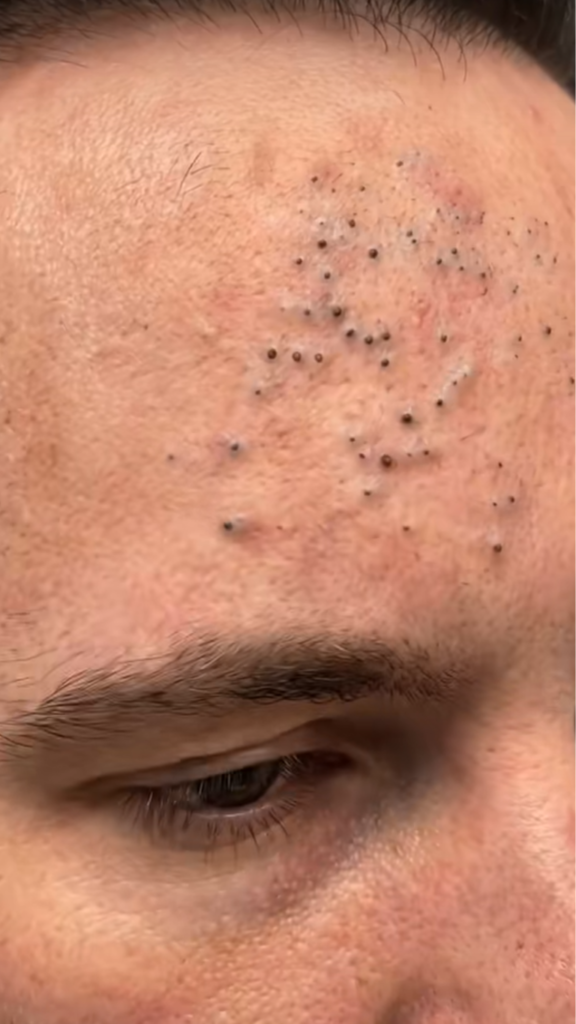
Small bumps on the forehead are a common skin concern that affects people of all ages. These tiny, acne-like bumps can make the skin appear rough, uneven, and less healthy. While they may not always be painful or inflamed, they can be frustrating and difficult to get rid of. Understanding the causes of forehead acne and learning the right treatment methods can help you achieve smoother, clearer skin.
In this comprehensive guide, we will explore the causes of small bumps on the forehead, effective treatment options, and practical prevention tips to keep your skin healthy and acne-free.
What Are Small Bumps on the Forehead?
Small bumps on the forehead are often a form of acne known as comedonal acne. These bumps occur when pores become clogged with excess oil, dead skin cells, bacteria, or debris. Unlike large pimples, these bumps are usually small, skin-colored, and may not contain visible pus.
Common types of forehead bumps include:
- Closed comedones (whiteheads)
- Fungal acne
- Milia
- Heat rash
- Allergic skin reactions
- Tiny inflammatory acne lesions
Identifying the exact cause is essential because different conditions require different treatments.
Common Causes of Small Bumps on the Forehead
1. Excess Oil Production
The forehead is part of the T-zone, which naturally produces more oil than other areas of the face. When excess sebum combines with dead skin cells, pores can become blocked, leading to small acne bumps.
2. Clogged Hair Follicles
Hair products such as gels, sprays, oils, and pomades can transfer onto the forehead and clog pores. This condition is commonly known as “pomade acne.”
3. Poor Skincare Habits
Failing to cleanse the skin properly can allow dirt, sweat, and makeup residue to accumulate. Over time, this buildup may trigger forehead acne and small bumps.
4. Fungal Acne
Fungal acne, also called Malassezia folliculitis, occurs when yeast naturally present on the skin grows excessively. It often appears as clusters of tiny, itchy bumps across the forehead and hairline.
5. Hormonal Changes
Hormonal fluctuations can increase oil production, making acne more likely. Teenagers, pregnant women, and individuals experiencing hormonal imbalances often notice more forehead breakouts.
6. Sweat and Humidity
Excessive sweating can trap oil and bacteria on the skin. Athletes and people living in hot climates may be more prone to developing small forehead bumps.
7. Stress
Stress can indirectly worsen acne by triggering hormonal changes that increase oil production. High stress levels may lead to more frequent forehead breakouts.
8. Diet and Lifestyle Factors
Although diet affects individuals differently, excessive consumption of sugary foods, processed snacks, and dairy products may contribute to acne in some people.
Symptoms of Forehead Acne Bumps
Small forehead bumps may present with the following symptoms:
- Tiny raised bumps
- Rough skin texture
- Whiteheads
- Mild redness
- Occasional itching
- Clustered breakouts along the forehead and hairline
The bumps may remain stable for weeks or gradually develop into inflamed pimples if left untreated.
How to Treat Small Bumps on the Forehead
1. Use a Gentle Cleanser
Wash your face twice daily with a gentle, non-comedogenic cleanser. This helps remove excess oil, dirt, and bacteria without irritating the skin.
2. Exfoliate Regularly
Chemical exfoliants containing salicylic acid are highly effective for treating clogged pores. Salicylic acid penetrates deep into the pores and removes trapped debris.
Benefits include:
- Reduced pore blockage
- Smoother skin texture
- Fewer acne breakouts
3. Apply Retinoids
Retinoids help accelerate skin cell turnover and prevent clogged pores. Over-the-counter adapalene gel is a popular option for mild to moderate forehead acne.
4. Try Benzoyl Peroxide
Benzoyl peroxide targets acne-causing bacteria and reduces inflammation. It can be useful for individuals experiencing both small bumps and inflamed pimples.
5. Treat Fungal Acne Properly
If your bumps are itchy and resistant to traditional acne treatments, fungal acne may be the cause. Anti-fungal shampoos containing ketoconazole can sometimes help when used according to professional guidance.
6. Moisturize Daily
Many people mistakenly avoid moisturizer when treating acne. However, maintaining skin hydration helps protect the skin barrier and may reduce excess oil production.
Choose:
- Oil-free moisturizers
- Non-comedogenic formulas
- Lightweight gel moisturizers
7. Avoid Picking and Squeezing
Picking at forehead bumps can worsen inflammation, spread bacteria, and increase the risk of scarring. Allow treatments to work naturally over time.
Best Ingredients for Forehead Acne
When shopping for skincare products, look for ingredients such as:
Salicylic Acid
Helps unclog pores and remove excess oil.
Niacinamide
Reduces inflammation and supports the skin barrier.
Retinol
Improves skin texture and prevents pore congestion.
Benzoyl Peroxide
Kills acne-causing bacteria.
Azelaic Acid
Reduces redness and helps clear acne.
Hyaluronic Acid
Provides hydration without clogging pores.
Home Remedies for Small Forehead Bumps
While professional skincare products are often more effective, some home remedies may support healthy skin:
Aloe Vera
Aloe vera contains soothing properties that may reduce irritation and redness.
Green Tea
Green tea contains antioxidants that can help calm inflamed skin.
Honey
Raw honey has natural antibacterial properties and may support skin healing.
Always perform a patch test before applying any natural remedy to your face.
Prevention Tips for Forehead Acne
Preventing forehead acne is often easier than treating it. Consider the following strategies:
Keep Hair Clean
Wash your hair regularly to prevent oil buildup from transferring to your forehead.
Avoid Heavy Hair Products
Choose lightweight styling products that are less likely to clog pores.
Change Pillowcases Frequently
Dirty pillowcases can accumulate oil, bacteria, and sweat, which may contribute to acne.
Remove Makeup Before Bed
Sleeping with makeup on increases the risk of clogged pores and breakouts.
Manage Stress
Exercise, meditation, and adequate sleep may help reduce stress-related acne triggers.
Stay Hydrated
Drinking sufficient water supports overall skin health and hydration.
Follow a Consistent Skincare Routine
Consistency is key when treating and preventing forehead acne. Results often take several weeks to become noticeable.
When to See a Dermatologist
You should consider consulting a dermatologist if:
- Home treatments are ineffective after several weeks
- Acne becomes painful or severe
- You develop cystic acne
- The bumps continue to spread
- Scarring begins to occur
A dermatologist can provide prescription-strength treatments and accurately diagnose whether the bumps are acne, fungal acne, or another skin condition.
Conclusion
Small bumps on the forehead are a common skin issue that can result from excess oil production, clogged pores, hormonal changes, fungal acne, or improper skincare habits. Fortunately, most cases can be effectively managed with a consistent skincare routine, acne-fighting ingredients, and healthy lifestyle habits.
Using products containing salicylic acid, retinoids, niacinamide, and benzoyl peroxide can significantly improve skin texture and reduce forehead acne over time. By understanding the root cause of your bumps and taking preventive measures, you can achieve smoother, clearer, and healthier-looking skin.
If symptoms persist despite proper treatment, seeking advice from a dermatologist can help identify the underlying cause and provide targeted solutions for long-term skin health.
