

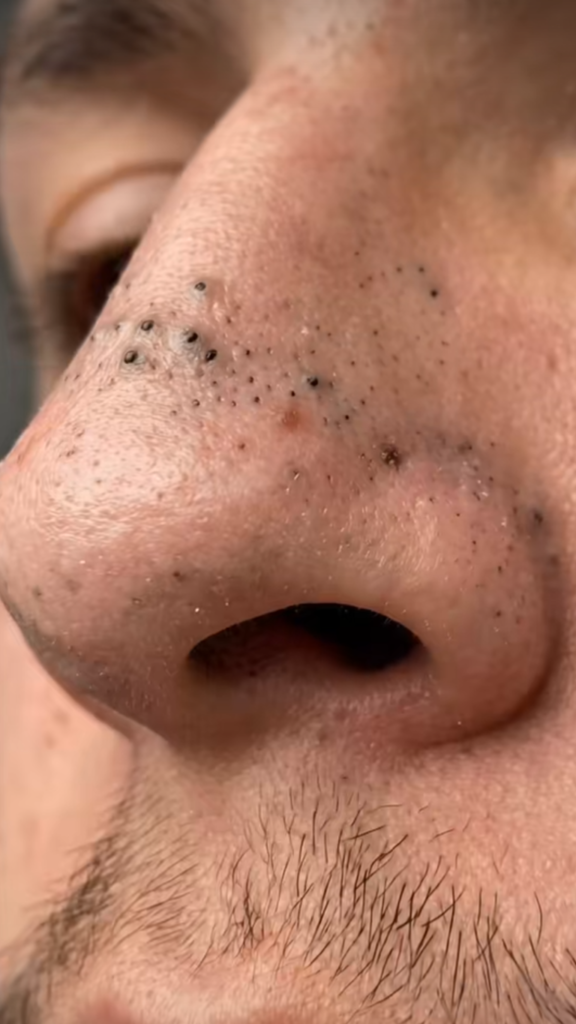
How to Get Rid of Nose Pimples Naturally and Keep Your Skin Clear
Nose pimples are among the most common and frustrating types of acne. Since the nose is located at the center of the face, even a small pimple can be highly visible and affect your confidence. The nose is part of the T-zone, an area known for producing more oil than other parts of the face. Excess oil, clogged pores, bacteria, and hormonal changes can all contribute to nose breakouts.
Fortunately, there are many effective home remedies and skincare tips that can help reduce nose pimples, prevent future breakouts, and improve overall skin health. In this guide, you’ll learn what causes nose pimples, the best natural treatments, and a simple skincare routine for clearer skin.
What Causes Pimples on the Nose?
Before treating nose acne, it is important to understand what causes it.
Excess Oil Production
The nose contains numerous sebaceous glands that produce sebum. When too much oil is produced, pores can become clogged and pimples may develop.
Clogged Pores
Dead skin cells, dirt, sweat, and makeup residue can block pores and create the perfect environment for acne.
Hormonal Changes
Hormonal fluctuations during puberty, menstruation, pregnancy, and stress can increase oil production and trigger breakouts.
Bacteria
Acne-causing bacteria can multiply inside clogged pores, leading to inflammation and visible pimples.
Poor Skincare Habits
Using harsh products, sleeping with makeup on, or not cleansing properly can contribute to nose acne.
Diet and Lifestyle Factors
High-sugar foods, processed snacks, lack of sleep, and chronic stress may worsen acne symptoms in some individuals.
Effective Home Remedies for Nose Pimples
Natural remedies can help reduce inflammation, control oil production, and support the healing process.
1. Tea Tree Oil
Tea tree oil is well known for its antibacterial and anti-inflammatory properties.
How to Use:
- Mix a few drops with a carrier oil.
- Apply gently to affected areas using a cotton swab.
- Use once daily.
Benefits:
- Reduces bacteria
- Calms redness
- Helps dry out pimples
2. Aloe Vera Gel
Aloe vera contains soothing compounds that can reduce irritation and support skin healing.
How to Use:
- Apply pure aloe vera gel directly to the nose.
- Leave overnight or for 20 minutes before rinsing.
Benefits:
- Reduces redness
- Hydrates skin
- Supports acne recovery
3. Honey Mask
Raw honey has natural antibacterial properties that may help combat acne-causing bacteria.
How to Use:
- Apply a thin layer of raw honey to the affected area.
- Leave for 15–20 minutes.
- Rinse with warm water.
Benefits:
- Soothes inflamed skin
- Promotes healing
- Moisturizes naturally
4. Green Tea Treatment
Green tea contains antioxidants called catechins that may reduce oil production and inflammation.
How to Use:
- Brew green tea and allow it to cool.
- Apply it to the skin using a cotton pad.
- Leave on for 10–15 minutes.
Benefits:
- Reduces excess oil
- Calms irritated skin
- Supports healthy skin function
5. Ice Therapy
Ice can temporarily reduce swelling and redness associated with inflamed pimples.
How to Use:
- Wrap ice in a clean cloth.
- Apply to the pimple for 30–60 seconds.
- Repeat several times daily.
Benefits:
- Reduces inflammation
- Minimizes redness
- Provides quick relief
Best Skincare Tips for Nose Pimples
Cleanse Twice Daily
Wash your face every morning and evening with a gentle cleanser.
Avoid:
- Harsh scrubs
- Strong soaps
- Excessive washing
Over-cleansing can irritate the skin and increase oil production.
Use Salicylic Acid
Salicylic acid is one of the best ingredients for treating nose acne.
Benefits:
- Unclogs pores
- Removes excess oil
- Prevents future breakouts
Products containing 0.5% to 2% salicylic acid are commonly used for acne-prone skin.
Moisturize Every Day
Many people with acne skip moisturizer, but this can make skin produce even more oil.
Choose:
- Oil-free moisturizers
- Non-comedogenic formulas
- Lightweight gel moisturizers
Wear Sunscreen
Sun exposure can worsen acne marks and skin irritation.
Use:
- SPF 30 or higher
- Non-comedogenic sunscreen
- Lightweight formulations
Exfoliate Gently
Exfoliation helps remove dead skin cells that contribute to clogged pores.
Limit exfoliation to:
- 1–2 times per week
- Gentle chemical exfoliants rather than harsh scrubs
Foods That May Support Clearer Skin
A healthy diet can play a role in overall skin health.
Foods to Include
- Fresh fruits
- Leafy green vegetables
- Whole grains
- Nuts and seeds
- Fatty fish rich in omega-3 fatty acids
- Lean proteins
Foods to Limit
- Sugary drinks
- Candy
- White bread
- Processed foods
- Excess dairy products
While diet alone does not cause acne, some people notice improvements when reducing high-glycemic foods.
Lifestyle Habits for Preventing Nose Pimples
Avoid Touching Your Face
Hands carry bacteria, dirt, and oils that can transfer to your skin.
Change Pillowcases Frequently
Dirty pillowcases can collect oil, sweat, and bacteria.
Replace them at least once or twice per week.
Clean Makeup Brushes
Wash makeup brushes and sponges regularly to prevent bacterial buildup.
Stay Hydrated
Drinking enough water helps support healthy skin function and overall wellness.
Get Enough Sleep
Aim for 7–9 hours of quality sleep each night to help regulate hormones and reduce inflammation.
Manage Stress
Stress can trigger acne flare-ups by increasing hormone levels.
Helpful activities include:
- Walking
- Exercise
- Yoga
- Meditation
- Deep breathing exercises
Common Mistakes That Make Nose Pimples Worse
Avoid these habits:
- Popping or squeezing pimples
- Using harsh scrubs
- Overwashing your face
- Sleeping with makeup on
- Using oily skincare products
- Ignoring sunscreen
These actions can worsen inflammation and increase the risk of acne scars.
When to See a Dermatologist
Professional treatment may be necessary if:
- Acne is severe
- Pimples are painful or cystic
- Over-the-counter products do not work
- Acne leaves scars
- Breakouts continue for several months
A dermatologist can recommend prescription treatments tailored to your skin’s needs.
Conclusion
Nose pimples are often caused by excess oil, clogged pores, bacteria, and hormonal changes. While they can be frustrating, many effective home remedies and skincare practices can help reduce breakouts and improve skin health. Natural treatments such as aloe vera, tea tree oil, honey, and green tea may support healing, while a consistent skincare routine with cleansing, moisturizing, and sun protection helps prevent future acne.
By combining healthy lifestyle habits, proper skincare, and patience, you can achieve clearer, healthier skin and reduce the occurrence of nose pimples over time.
