

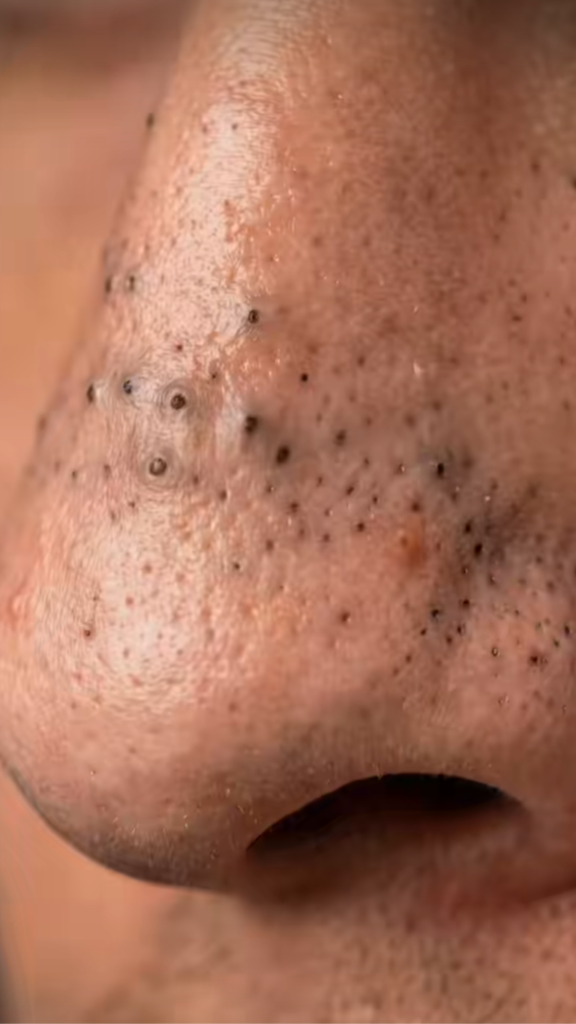
Understanding Nose Pimples: Causes, Treatments, and Prevention Tips
Pimples on the nose are a common skin concern that affects people of all ages. Because the nose sits in the center of the face, even a small pimple can feel noticeable and frustrating. While occasional breakouts are normal, recurring pimples on the nose may indicate underlying issues such as excess oil production, clogged pores, hormonal changes, or lifestyle factors.
In this article, we’ll explore why pimples appear on the nose, what causes them, effective treatment options, and practical ways to prevent future breakouts.
What Are Nose Pimples?
A nose pimple develops when a hair follicle or pore becomes clogged with oil (sebum), dead skin cells, bacteria, and dirt. The nose contains a high concentration of sebaceous glands, making it one of the oiliest areas of the face and more prone to acne.
Nose pimples can appear as:
- Whiteheads
- Blackheads
- Papules
- Pustules
- Cystic acne
- Red inflamed bumps
The type of pimple often determines the best treatment approach.
Common Causes of Pimples on the Nose
1. Excess Oil Production
The nose is part of the T-zone, which includes the forehead and chin. This area naturally produces more oil than other parts of the face. Excess oil can mix with dead skin cells and clog pores, leading to pimples.
2. Clogged Pores
When pores become blocked by dirt, makeup, sweat, and dead skin cells, acne can develop. Inadequate cleansing or using pore-clogging skincare products may worsen the problem.
3. Hormonal Changes
Hormonal fluctuations can increase oil production and trigger breakouts.
Common hormonal triggers include:
- Puberty
- Menstrual cycles
- Pregnancy
- Menopause
- Stress-related hormone changes
4. Bacterial Growth
The bacteria naturally present on the skin can multiply inside clogged pores, causing inflammation and infection that result in pimples.
5. Frequent Face Touching
Hands carry bacteria, dirt, and oils. Touching your nose frequently can transfer these impurities to the skin and contribute to breakouts.
6. Poor Diet
Some studies suggest that foods high in sugar, refined carbohydrates, and processed ingredients may worsen acne in certain individuals.
Examples include:
- Sugary drinks
- White bread
- Candy
- Fast food
- Processed snacks
7. Stress
Stress increases cortisol levels, which may stimulate oil production and worsen acne symptoms.
8. Dirty Makeup Tools
Makeup brushes and sponges can accumulate bacteria and oil if not cleaned regularly. Using dirty tools may contribute to pimples on the nose.
Different Types of Nose Pimples
Blackheads
Blackheads occur when pores are clogged but remain open at the surface. The dark color comes from oxidation, not dirt.
Whiteheads
Whiteheads form when clogged pores remain closed beneath the skin’s surface.
Red Inflamed Pimples
These pimples often result from bacterial growth and inflammation within clogged pores.
Cystic Acne
Cystic acne appears as large, painful bumps beneath the skin. These breakouts often require professional treatment.
Effective Treatments for Nose Pimples
1. Salicylic Acid
Salicylic acid is one of the most effective ingredients for treating nose acne.
Benefits:
- Removes excess oil
- Unclogs pores
- Exfoliates dead skin cells
- Prevents future breakouts
2. Benzoyl Peroxide
Benzoyl peroxide kills acne-causing bacteria and reduces inflammation.
Benefits include:
- Treating active pimples
- Preventing new acne
- Reducing redness
3. Retinoids
Retinoids help speed up cell turnover and prevent clogged pores.
Benefits:
- Reduces acne formation
- Improves skin texture
- Helps fade acne marks
4. Niacinamide
Niacinamide is a gentle ingredient that helps regulate oil production and calm irritated skin.
Benefits:
- Reduces redness
- Controls oil
- Strengthens the skin barrier
5. Clay Masks
Clay masks absorb excess oil and help clean pores.
Using a clay mask once or twice weekly may help reduce nose breakouts.
Natural Remedies for Nose Pimples
Tea Tree Oil
Tea tree oil contains natural antibacterial properties that may help reduce acne-causing bacteria.
Always dilute before applying to the skin.
Aloe Vera
Aloe vera can soothe inflamed skin and support healing.
Benefits include:
- Reducing redness
- Hydrating the skin
- Calming irritation
Honey
Raw honey has antibacterial properties that may help reduce acne-related inflammation.
Apply as a mask for 15–20 minutes before rinsing.
Green Tea
Green tea contains antioxidants that may help reduce inflammation and excess oil production.
You can drink green tea or use cooled green tea as a facial toner.
Daily Skincare Routine for Preventing Nose Pimples
Morning Routine
- Gentle cleanser
- Niacinamide serum
- Lightweight moisturizer
- Sunscreen SPF 30 or higher
Evening Routine
- Cleanser
- Salicylic acid or retinoid treatment
- Moisturizer
Consistency is more important than using multiple products.
Lifestyle Tips to Reduce Nose Acne
Keep Your Face Clean
Wash your face twice daily using a gentle cleanser.
Avoid Touching Your Face
Reduce contact between your hands and your nose to minimize bacterial transfer.
Clean Makeup Brushes Regularly
Wash brushes and sponges at least once a week.
Stay Hydrated
Drinking enough water supports healthy skin function.
Eat a Balanced Diet
Focus on:
- Fruits
- Vegetables
- Whole grains
- Lean proteins
- Healthy fats
Manage Stress
Activities such as exercise, meditation, and adequate sleep can help support healthier skin.
Mistakes That Can Make Nose Pimples Worse
Avoid these common habits:
- Popping pimples
- Using harsh scrubs
- Overwashing the face
- Sleeping with makeup on
- Using oily skincare products
- Ignoring sunscreen
These behaviors can increase irritation and prolong healing.
When Should You See a Dermatologist?
Consult a dermatologist if:
- Pimples are painful or severe
- Acne leaves scars
- Over-the-counter treatments don’t work
- Breakouts are frequent and persistent
- You suspect hormonal acne
Professional treatment may include prescription medications or advanced acne therapies.
Conclusion
Pimples on the nose are usually caused by excess oil, clogged pores, bacteria, hormonal changes, or lifestyle habits. Because the nose contains many oil glands, it is particularly vulnerable to breakouts. Fortunately, effective treatments such as salicylic acid, benzoyl peroxide, retinoids, and proper skincare can help clear existing pimples and prevent future ones.
By maintaining a consistent skincare routine, eating a balanced diet, managing stress, and avoiding common acne triggers, you can significantly reduce nose breakouts and achieve healthier, clearer skin over time.
