

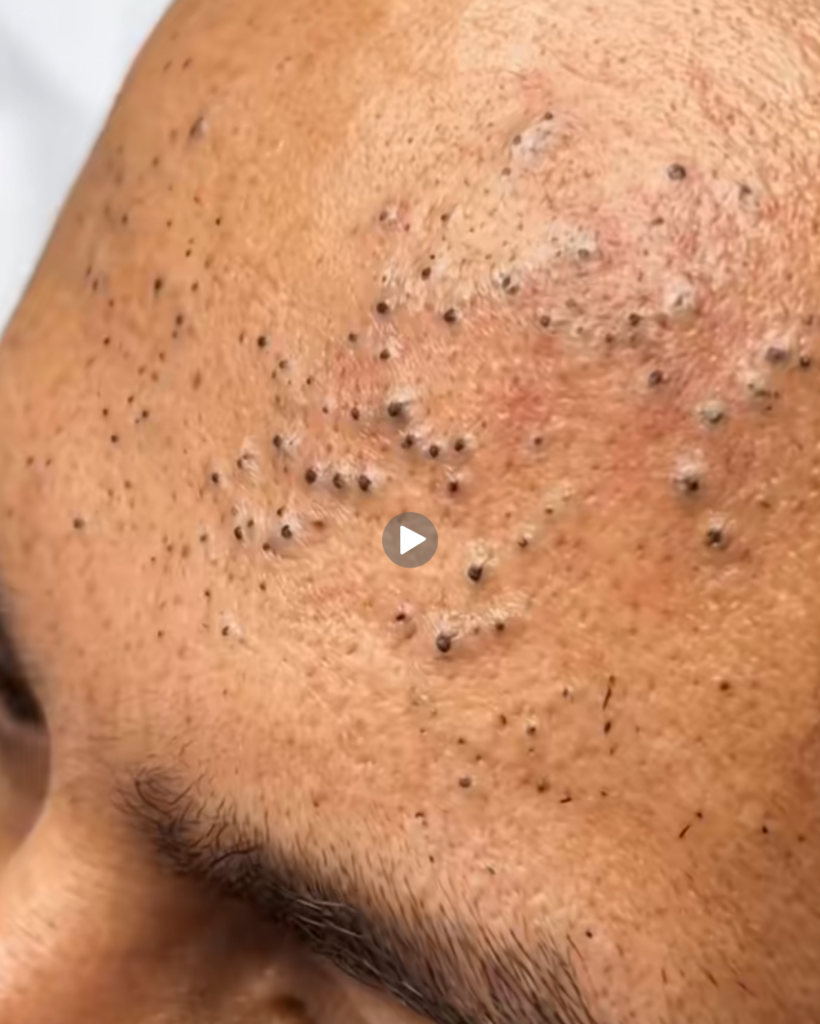
Hormonal Forehead Acne Treatment: How to Clear Stubborn Breakouts Naturally
Forehead acne is one of the most frustrating skin problems that affects teenagers and adults alike. While many people assume that poor hygiene is the primary cause, hormonal changes are often the real reason behind persistent forehead breakouts. Hormonal forehead acne develops when fluctuations in hormone levels trigger excess oil production, leading to clogged pores, inflammation, and pimples.
Understanding the root cause of hormonal acne is the first step toward achieving clearer skin. In this comprehensive guide, we will explore the causes of hormonal forehead acne, effective treatment options, natural remedies, and prevention tips to help you maintain healthy and blemish-free skin.
What Is Hormonal Forehead Acne?
Hormonal forehead acne refers to acne breakouts that occur due to changes in hormone levels, particularly androgens. These hormones stimulate the sebaceous glands to produce more oil (sebum). When excess oil combines with dead skin cells and bacteria, pores become clogged, resulting in acne.
Although hormonal acne is commonly associated with the jawline and chin, many people experience breakouts on the forehead because this area contains numerous oil-producing glands.
Common Causes of Hormonal Forehead Acne
1. Puberty
During puberty, hormone levels rise significantly. Increased androgen production causes the skin to produce more oil, leading to clogged pores and acne formation.
2. Menstrual Cycle
Women often notice forehead breakouts before or during their menstrual period. Hormonal fluctuations during this time can trigger excess sebum production.
3. Stress
Stress increases cortisol levels in the body. Elevated cortisol can stimulate oil glands and worsen acne symptoms.
4. Polycystic Ovary Syndrome (PCOS)
PCOS is a hormonal disorder that often causes acne, irregular periods, and excessive hair growth. Forehead acne may be one of its visible symptoms.
5. Poor Sleep
Lack of sleep can disrupt hormone balance and increase inflammation, contributing to acne breakouts.
6. Diet and Lifestyle
Foods high in sugar, refined carbohydrates, and dairy products may worsen hormonal acne in some individuals.
Signs That Your Forehead Acne Is Hormonal
You may be dealing with hormonal acne if you notice:
- Recurring breakouts in the same area
- Oily skin throughout the day
- Acne flare-ups during periods of stress
- Pimples appearing around menstrual cycles
- Deep, painful, or cystic acne
- Breakouts that persist despite regular skincare
Best Hormonal Forehead Acne Treatments
1. Salicylic Acid
Salicylic acid is one of the most effective ingredients for treating forehead acne. It penetrates deep into pores and removes excess oil and dead skin cells.
Benefits include:
- Unclogs pores
- Reduces inflammation
- Prevents future breakouts
- Improves skin texture
Use a gentle salicylic acid cleanser once or twice daily.
2. Benzoyl Peroxide
Benzoyl peroxide helps kill acne-causing bacteria and reduces inflammation.
Benefits:
- Controls bacterial growth
- Clears active breakouts
- Prevents new pimples
Start with a lower concentration to avoid excessive dryness.
3. Retinoids
Retinoids are vitamin A derivatives that increase skin cell turnover and prevent clogged pores.
Benefits:
- Reduces acne formation
- Improves skin texture
- Minimizes acne scars
Consistent use can produce noticeable results within several weeks.
4. Niacinamide
Niacinamide is a powerful ingredient that regulates oil production and reduces redness.
Benefits:
- Strengthens skin barrier
- Controls excess oil
- Reduces inflammation
- Improves overall complexion
5. Hormonal Medications
For severe hormonal acne, healthcare providers may recommend:
- Birth control pills
- Anti-androgen medications
- Prescription acne treatments
Always consult a qualified medical professional before starting medication.
Natural Remedies for Hormonal Forehead Acne
Many people prefer natural approaches alongside traditional treatments.
Tea Tree Oil
Tea tree oil has antibacterial and anti-inflammatory properties.
How to use:
- Dilute with a carrier oil
- Apply directly to affected areas
- Use once daily
Aloe Vera
Aloe vera helps soothe irritated skin and reduce redness.
Benefits:
- Hydrates skin
- Reduces inflammation
- Supports healing
Green Tea
Green tea contains antioxidants that help reduce oil production and inflammation.
You can:
- Drink green tea regularly
- Apply cooled green tea as a toner
Honey
Raw honey possesses natural antibacterial properties.
How to use:
- Apply a thin layer as a mask
- Leave for 15–20 minutes
- Rinse with lukewarm water
Skincare Routine for Hormonal Forehead Acne
Following a consistent skincare routine is essential.
Morning Routine
- Gentle cleanser
- Niacinamide serum
- Lightweight moisturizer
- Broad-spectrum sunscreen
Evening Routine
- Cleanser
- Salicylic acid or retinoid treatment
- Moisturizer
Avoid over-washing your face, as this can increase oil production and worsen acne.
Foods That May Help Reduce Hormonal Acne
Eat More:
- Leafy green vegetables
- Berries
- Fatty fish
- Nuts and seeds
- Whole grains
- Foods rich in zinc
Limit:
- Sugary beverages
- Processed snacks
- Excess dairy products
- Refined carbohydrates
- Fast food
A balanced diet may support hormonal balance and improve skin health over time.
Lifestyle Changes to Prevent Forehead Acne
Manage Stress
Stress management can reduce hormone-related breakouts.
Helpful activities include:
- Meditation
- Yoga
- Walking
- Deep breathing exercises
Get Enough Sleep
Aim for 7–9 hours of quality sleep each night to support healthy hormone regulation.
Stay Hydrated
Drinking enough water helps maintain healthy skin function and overall wellness.
Keep Hair Clean
Hair products and excess scalp oil can transfer to the forehead and contribute to acne.
Tips:
- Wash hair regularly
- Avoid heavy styling products
- Keep bangs away from the forehead
Change Pillowcases Frequently
Dirty pillowcases can accumulate oil, bacteria, and dead skin cells.
Replace them at least once or twice weekly.
Mistakes That Can Make Hormonal Forehead Acne Worse
Avoid these common mistakes:
- Picking or squeezing pimples
- Using harsh scrubs
- Skipping moisturizer
- Sleeping with makeup on
- Frequently touching your face
- Switching products too often
Consistency is key when treating hormonal acne.
When to See a Dermatologist
Seek professional help if:
- Acne is severe or painful
- Over-the-counter products are ineffective
- You develop acne scars
- Breakouts affect your confidence or mental well-being
- You suspect an underlying hormonal condition such as PCOS
A dermatologist can create a personalized treatment plan based on your skin type and hormonal health.
Conclusion
Hormonal forehead acne can be persistent, but it is manageable with the right approach. Understanding the hormonal factors behind breakouts allows you to choose effective treatments that target the root cause rather than just the symptoms. Combining a gentle skincare routine, healthy lifestyle habits, stress management, and proven acne-fighting ingredients can significantly improve your skin over time.
Patience is essential because hormonal acne rarely disappears overnight. With consistent care and the appropriate treatment plan, clearer, healthier, and more confident skin is achievable.
