

Introduction
A nail infection is a common problem that can affect both fingernails and toenails. It often begins with redness, swelling, pain, or pus around the nail area. Many people ignore the early signs, but if left untreated, the infection can become serious and painful. Nail infections may happen because of bacteria, fungi, injury, poor hygiene, or ingrown nails.
One of the most common questions people ask is: “Can I safely clean a nail infection at home?” The answer depends on the severity of the infection. Mild infections can sometimes be treated at home with proper care, but serious infections may require medical treatment.
In this article, you will learn why nail infections happen, their symptoms, causes, home cleaning methods, treatments, prevention tips, and when to see a doctor.
What Is a Nail Infection?
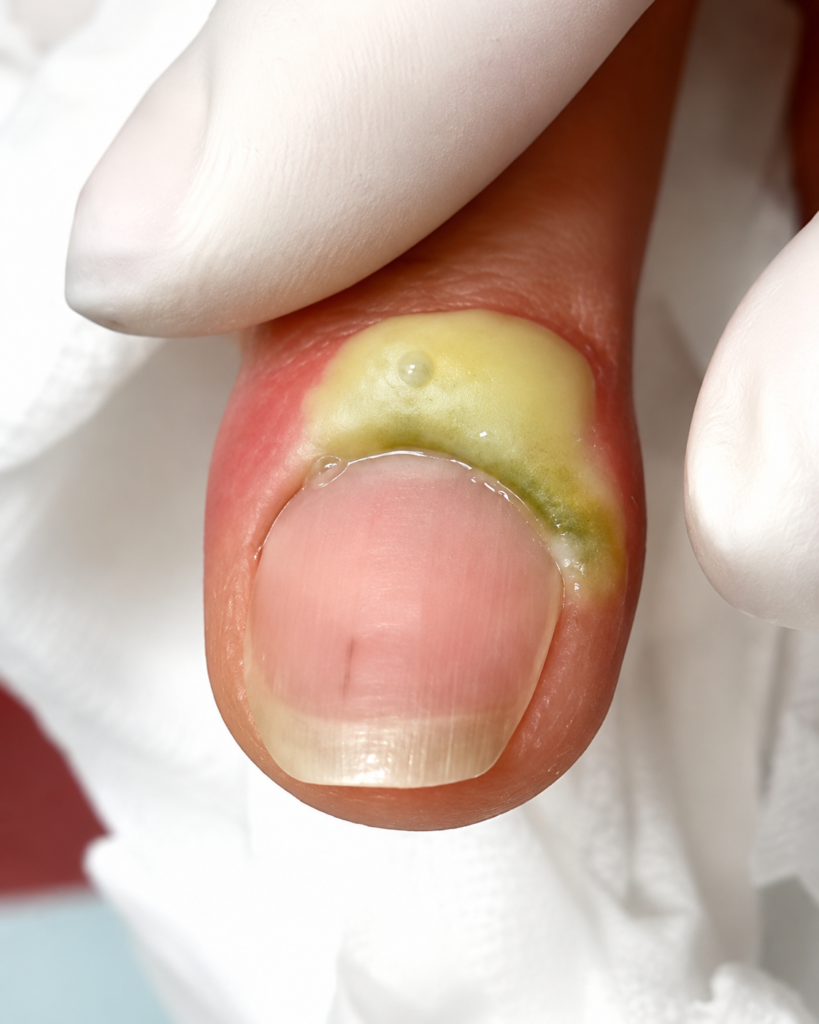
A nail infection occurs when bacteria, fungi, or germs enter the skin around the nail or underneath the nail plate. The infected area may become swollen, red, warm, and painful. In some cases, yellow or green pus can develop around the nail.
There are two common types of nail infections:
1. Bacterial Nail Infection
This happens when bacteria enter broken skin around the nail. It can cause swelling, pain, and pus.
2. Fungal Nail Infection
This develops slowly and may cause thick, yellow, brittle, or damaged nails.
Why Do Nail Infections Happen?
There are many reasons why nail infections develop. Understanding the causes can help prevent future problems.
1. Nail Biting
Biting nails damages the skin around the nails, allowing bacteria to enter easily.
2. Poor Hygiene
Dirty hands and feet can collect bacteria and fungi, increasing infection risk.
3. Ingrown Nails
An ingrown nail grows into the surrounding skin, causing irritation and infection.
4. Cutting Nails Incorrectly
Cutting nails too short or too deep can injure the skin and lead to infection.
5. Frequent Water Exposure
People who keep their hands wet for long periods are more likely to develop infections.
6. Weak Immune System
Diabetes, poor circulation, or a weak immune system can make infections worse.
7. Nail Injuries
Small cuts, cracks, or trauma to the nail can allow germs to enter.
8. Artificial Nails and Nail Products
Fake nails and harsh chemicals may trap moisture and bacteria.
Symptoms of Nail Infection
Recognizing symptoms early can help prevent complications.
Common symptoms include:
- Redness around the nail
- Swelling
- Pain or tenderness
- Yellow or green pus
- Warm skin around the nail
- Thick or damaged nail
- Bad smell
- Nail discoloration
- Difficulty touching or using the finger or toe
If the infection spreads, fever or severe pain may occur.
Is It Safe to Clean a Nail Infection at Home?
In mild cases, cleaning the infection at home may help reduce swelling and pain. However, home treatment should only be used for small and early infections.
If there is heavy pus, severe swelling, intense pain, or spreading redness, medical treatment is safer.
Never try to cut deep into the infected area or use dirty tools.
How to Clean a Nail Infection at Home
Here are safe home methods that may help with mild nail infections.
1. Wash Your Hands First
Always clean your hands before touching the infected nail. This prevents more bacteria from entering the area.
Use warm water and soap for at least 20 seconds.
2. Soak the Infected Nail
Warm water soaking is one of the easiest home remedies.
How to Do It:
- Fill a bowl with warm water
- Add salt if desired
- Soak the infected finger or toe for 15–20 minutes
- Repeat 3–4 times daily
Warm soaking helps reduce pain and may soften pus buildup.
3. Gently Dry the Area
After soaking, dry the nail carefully with a clean towel. Keeping the area dry is important because moisture can worsen infection.
4. Apply Antiseptic Cream
You can use over-the-counter antiseptic or antibiotic cream on the affected area.
Apply a thin layer after cleaning and cover lightly with a clean bandage if necessary.
5. Avoid Pressing or Popping Pus
Many people try to squeeze infected nails at home. This can make the infection worse and spread bacteria deeper into the skin.
If pus does not drain naturally, avoid forcing it.
6. Keep the Nail Clean and Dry
Change socks daily if it is a toenail infection. Wear clean shoes and avoid tight footwear.
For fingernails, avoid harsh chemicals and dirty water.
Home Remedies for Nail Infection
Some natural remedies may help mild infections.
Tea Tree Oil
Tea tree oil has antibacterial and antifungal properties.
Mix a few drops with coconut oil and apply carefully.
Apple Cider Vinegar
Soaking the nail in diluted vinegar may help fight germs.
Turmeric Paste
Turmeric contains natural anti-inflammatory properties that may help reduce swelling.
Garlic
Garlic has antibacterial effects and may help prevent infection growth.
Natural remedies should not replace medical care if the infection becomes severe.
When Should You See a Doctor?
Home treatment is not always enough. Seek medical attention if you notice:
- Severe pain
- Large amount of pus
- Fever
- Redness spreading to the hand or foot
- Difficulty walking or using fingers
- Black or dark nail color
- Infection lasting more than a few days
- Diabetes or weak immune system
Doctors may drain the pus safely or prescribe antibiotics or antifungal medication.
Medical Treatment for Nail Infection
Doctors may recommend different treatments depending on the infection type.
Antibiotics
Used for bacterial infections.
Antifungal Medicines
Used for fungal nail infections.
Drainage Procedure
A doctor may carefully drain trapped pus to reduce pressure and pain.
Nail Removal
In severe cases, part of the infected nail may need removal.
How to Prevent Nail Infections
Preventing nail infections is easier than treating them.
Keep Nails Clean
Wash hands and feet regularly.
Trim Nails Properly
Cut nails straight across and avoid cutting too short.
Avoid Nail Biting
Nail biting damages the skin and spreads germs.
Wear Comfortable Shoes
Tight shoes can damage toenails and cause ingrown nails.
Use Clean Nail Tools
Never share nail clippers or manicure tools.
Keep Feet Dry
Change socks regularly and dry feet after bathing.
Avoid Harsh Chemicals
Use gloves when cleaning with chemicals.
Are Nail Infections Dangerous?
Most mild infections improve with proper care. However, untreated infections can spread to deeper tissues or even the bloodstream in severe cases.
People with diabetes should be especially careful because infections heal more slowly and may become serious quickly.
Best Foods for Healthy Nails
Healthy nails are less likely to become infected.
Eat foods rich in:
- Protein
- Vitamin C
- Zinc
- Iron
- Biotin
Good examples include:
- Eggs
- Fish
- Nuts
- Fruits
- Vegetables
- Yogurt
Drinking enough water also supports healthy nails.
Conclusion
Nail infections are common but should never be ignored. They usually happen because of bacteria, fungi, injury, poor hygiene, or ingrown nails. Symptoms such as redness, swelling, pain, and pus are warning signs that need attention.
Mild infections may be cleaned safely at home using warm water soaks, proper hygiene, and antiseptic creams. However, severe infections should always be treated by a doctor to prevent complications.
The best way to avoid nail infections is through good nail care, clean hygiene habits, and proper nail trimming. Taking care of your nails today can help prevent painful problems in the future.
