

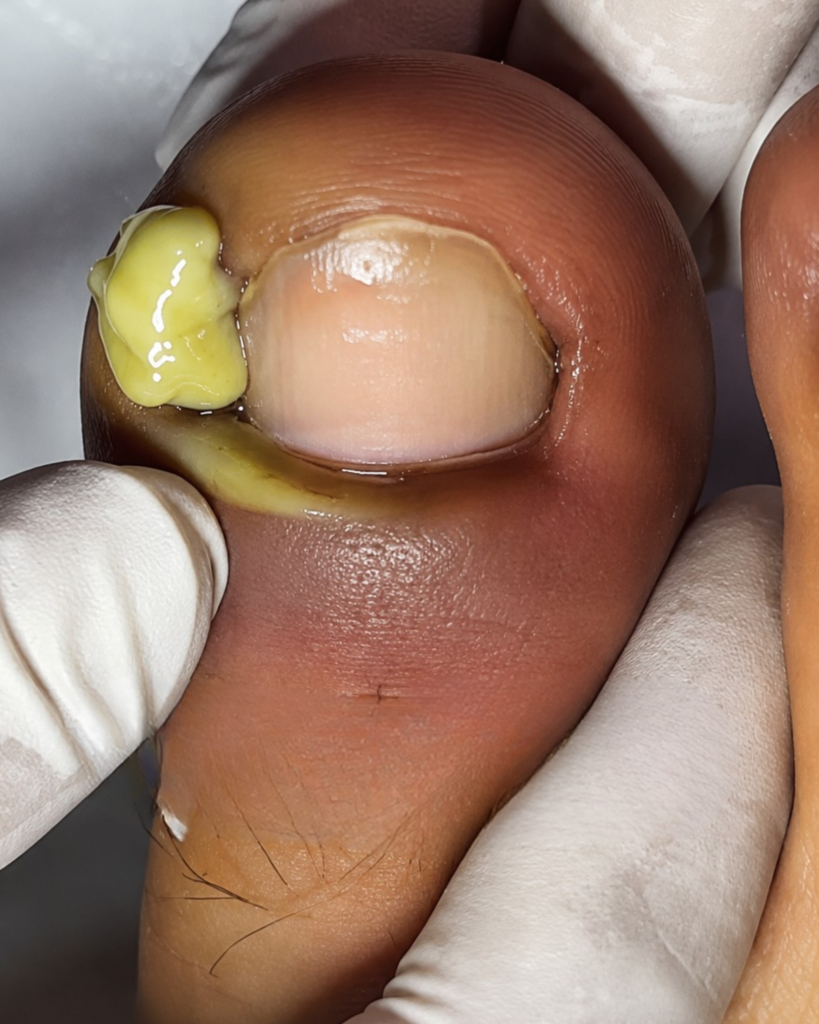
Toenail infections are a common foot problem that can affect people of all ages. They often start with mild discomfort but can quickly become painful and serious if left untreated. Swelling, redness, pus, discoloration, and bad odor are common signs of an infected toenail. Understanding the causes can help you prevent future problems and keep your feet healthy.
In this article, we will discuss the top 10 reasons why toenails get infected, their symptoms, treatment options, and prevention tips.
What Is a Toenail Infection?
A toenail infection occurs when bacteria, fungi, or other germs enter the skin around the nail or under the nail plate. This can cause inflammation, pain, and sometimes pus formation. The big toe is usually the most affected because it experiences the most pressure while walking.
1. Ingrown Toenails
One of the most common reasons for toenail infections is an ingrown toenail. This happens when the edge of the nail grows into the surrounding skin instead of growing straight.
Causes:
- Cutting nails too short
- Wearing tight shoes
- Injury to the toe
Symptoms:
- Redness
- Swelling
- Pain on the side of the nail
- Pus discharge
If untreated, bacteria can enter the broken skin and cause infection.
2. Poor Foot Hygiene
Dirty feet create the perfect environment for bacteria and fungi to grow. Sweat, moisture, and dirt trapped inside socks and shoes increase the risk of infection.
Common Hygiene Mistakes:
- Not washing feet daily
- Wearing the same socks repeatedly
- Keeping feet wet for long periods
Maintaining clean and dry feet is essential for healthy toenails.
3. Fungal Nail Infection (Onychomycosis)
Fungal infections are another major cause of toenail problems. Fungus thrives in warm and moist environments like sweaty shoes or public showers.
Signs of Fungal Infection:
- Thick nails
- Yellow or brown discoloration
- Crumbly nail texture
- Bad smell
Fungal infections can weaken the nail and make bacterial infections more likely.
4. Tight or Ill-Fitting Shoes
Shoes that squeeze the toes put pressure on the nails and surrounding skin. Continuous friction may damage the nail and lead to infection.
High-Risk Footwear:
- Narrow shoes
- High heels
- Tight sports shoes
Wearing comfortable shoes with enough toe space can prevent nail damage.
5. Nail Injuries and Trauma
Accidents like stubbing your toe, dropping heavy objects on your foot, or sports injuries can damage the nail bed.
Possible Effects:
- Broken nail
- Bleeding under the nail
- Swelling
- Infection
Even small injuries can allow bacteria to enter the skin around the nail.
6. Diabetes and Poor Blood Circulation
People with diabetes are more likely to develop toenail infections because high blood sugar weakens the immune system and reduces blood flow to the feet.
Why It’s Dangerous:
- Slow healing
- Increased risk of severe infection
- Nerve damage may hide pain symptoms
Diabetic patients should check their feet regularly and seek medical help immediately if they notice swelling or pus.
7. Excessive Sweating
Sweaty feet create moisture that encourages fungal and bacterial growth. Athletes and people who wear closed shoes for long hours are especially at risk.
Prevention Tips:
- Use foot powder
- Wear breathable socks
- Change socks daily
Keeping feet dry is one of the best ways to avoid infections.
8. Improper Nail Cutting
Cutting toenails incorrectly can lead to painful infections.
Common Mistakes:
- Cutting nails too deep
- Rounding the corners
- Using dirty nail tools
Toenails should always be trimmed straight across to prevent ingrown nails.
9. Walking Barefoot in Public Places
Public swimming pools, gyms, locker rooms, and showers are full of bacteria and fungi. Walking barefoot increases the chance of catching an infection.
Common Infections:
- Athlete’s foot
- Nail fungus
- Bacterial infections
Always wear slippers or sandals in public wet areas.
10. Weak Immune System
People with weak immune systems are more vulnerable to infections, including toenail infections.
Causes of Weak Immunity:
- Chronic illness
- Stress
- Poor nutrition
- Certain medications
A healthy immune system helps the body fight bacteria and fungi effectively.
Symptoms of an Infected Toenail
Recognizing symptoms early can prevent complications.
Common Symptoms Include:
- Redness around the nail
- Swelling
- Pain or tenderness
- Yellow or green pus
- Bad smell
- Thickened nail
- Fever in severe cases
If symptoms worsen, medical treatment may be necessary.
How to Treat Toenail Infections
Treatment depends on the cause and severity of the infection.
Home Remedies
For mild infections:
- Soak feet in warm salt water
- Keep the area clean and dry
- Apply antiseptic cream
- Avoid tight shoes
Medical Treatments
A doctor may recommend:
- Antibiotics for bacterial infections
- Antifungal medications
- Nail removal in severe cases
Never ignore severe pain, spreading redness, or excessive pus.
How to Prevent Toenail Infections
Prevention is always better than treatment.
Prevention Tips:
- Wash feet daily
- Keep nails trimmed properly
- Wear clean socks
- Avoid sharing nail tools
- Use breathable footwear
- Wear slippers in public showers
- Treat fungal infections early
- Keep feet dry
- Avoid tight shoes
- Check feet regularly for changes
Healthy foot care habits can greatly reduce the risk of infection.
When Should You See a Doctor?
You should seek medical attention if:
- Pain becomes severe
- Pus continues to leak
- Infection spreads
- You have diabetes
- Fever develops
- Home treatment does not help
Ignoring infections can lead to serious complications.
Final Thoughts
Toenail infections can be painful and frustrating, but most cases are preventable with proper foot care and hygiene. Ingrown nails, fungal infections, tight shoes, injuries, and poor hygiene are some of the most common causes. Early treatment is important to stop the infection from spreading and causing complications.
By understanding these 10 reasons why toenails get infected, you can protect your feet, maintain healthy nails, and avoid future problems. Always pay attention to signs like swelling, redness, or pus and seek medical advice when necessary.
