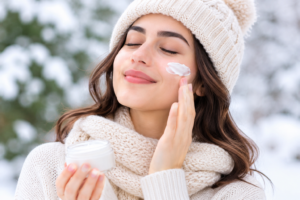

8 Winter Skin Care Tips: How to Hydrate and Protect Your Skin in Cold Weather
Winter can be beautiful, but cold temperatures, strong winds, low humidity, and indoor heating can make your skin dry, rough, itchy, and uncomfortable. Many people notice that their skin loses its natural softness during winter. Even those with normally healthy skin may experience flaking, tightness, redness, and irritation.
The main reason behind winter dryness is moisture loss. Cold outdoor air and heated indoor environments can weaken the skin’s natural protective barrier, allowing water to escape more easily.
The good news is that you can keep your skin healthy and hydrated by making a few simple changes to your daily skincare routine.
In this guide, we will explore eight effective winter skin care tips to help prevent dryness, restore moisture, and maintain soft, glowing skin throughout the colder months.
Key Takeaways
- Use rich moisturizers containing ceramides, glycerin, and hyaluronic acid to prevent winter dryness.
- Drink enough water and eat nutritious foods to support healthy skin from within.
- Avoid hot showers and harsh cleansers that can damage your skin’s natural moisture barrier.
- Apply sunscreen and wear protective clothing when going outdoors.
- Use hydrating face masks and lip balms to protect delicate areas.
- Follow a consistent morning and nighttime winter skincare routine.
1. Keep Your Skin Hydrated Throughout the Day
Hydration is one of the most important parts of winter skincare. During colder months, the air contains less moisture, which can cause water to evaporate from your skin more quickly.
When your skin becomes dehydrated, it may look dull, feel tight, and develop rough or flaky patches.
To maintain proper hydration, choose skincare products that attract and retain moisture. Ingredients such as hyaluronic acid and glycerin are particularly helpful because they draw water into the outer layers of the skin.
Here are some easy ways to improve skin hydration:
- Apply a hydrating serum before your moisturizer.
- Use a moisturizer immediately after washing your face.
- Drink water regularly throughout the day.
- Avoid washing your face too frequently.
- Use a humidifier if indoor heating makes the air too dry.
Applying moisturizer while your skin is slightly damp can help reduce moisture loss. Make hydration part of your daily routine rather than waiting until your skin becomes extremely dry.
Youtube Video
2. Switch to a Rich and Nourishing Moisturizer
Your lightweight summer moisturizer may not provide enough protection during winter. Cold weather often requires a thicker cream that helps maintain the skin’s moisture barrier.
A good winter moisturizer should contain ingredients that hydrate the skin, prevent water loss, and support natural barrier repair.
Look for these beneficial ingredients:
Ceramides: These natural lipids help strengthen the skin barrier and reduce moisture loss.
Glycerin: A powerful humectant that attracts water and helps keep skin hydrated.
Hyaluronic Acid: Helps hold water in the skin, making it feel smoother and more hydrated.
Shea Butter: Provides nourishing moisture and helps soften rough, dry areas.
Petroleum Jelly: Creates a protective layer that helps prevent water from escaping.
People with very dry skin may benefit from thicker creams, while those with oily or acne-prone skin can choose lightweight, non-comedogenic moisturizers.
Apply your moisturizer twice daily, especially after cleansing and before going to bed.
3. Avoid Harsh Cleansers and Overwashing
Using the wrong face wash can make winter dryness worse. Some foaming cleansers contain strong cleansing ingredients that remove natural oils from the skin.
Although your face may feel extremely clean afterward, that tight sensation can indicate that your skin has lost some of its protective oils.
During winter, consider switching to gentle, hydrating cleansers.
Choose products that are:
- Fragrance-free or formulated for sensitive skin.
- Cream-based or lotion-based.
- Gentle enough for everyday use.
- Free from unnecessarily harsh cleansing ingredients.
Avoid washing your face with very hot water. Lukewarm water is generally a better choice because it cleanses without exposing your skin to excessive heat.
If your skin feels tight, irritated, or unusually dry after cleansing, consider changing your face wash.
A gentle cleanser followed by a nourishing moisturizer can make a noticeable difference in your winter skincare routine.
4. Eat Healthy Foods That Support Skin Hydration
Healthy skin care does not depend only on creams and serums. Your daily diet also plays an important role in maintaining skin health.
During winter, eating a balanced diet rich in vitamins, minerals, antioxidants, and healthy fats can support your skin’s natural protective functions.
Try including these foods in your meals:
Cucumbers: Contain a high amount of water and provide hydration as part of a balanced diet.
Oranges: Provide vitamin C, which supports normal collagen production.
Avocados: Contain healthy fats and vitamin E, which help support overall skin health.
Walnuts: Provide omega-3 fatty acids and other beneficial nutrients.
Carrots: Contain beta-carotene, which the body converts into vitamin A.
Fatty Fish: Salmon and sardines provide omega-3 fatty acids that support overall health.
Also, drink enough water throughout the day. Warm water and caffeine-free herbal teas can be comfortable options during cold weather.
Remember that no single food can eliminate dry skin. A balanced diet combined with proper skincare provides better long-term support.
5. Use Hydrating Face Masks for Extra Moisture
Winter can leave your face feeling tired, rough, and dehydrated. Adding a hydrating face mask to your skincare routine once or twice a week may help improve skin softness and comfort.
Face masks can provide additional moisturizing ingredients that support dry skin.
Consider these options:
Hydrating Sheet Masks: These masks are often formulated with glycerin, hyaluronic acid, and other moisturizing ingredients.
Cream-Based Masks: Suitable for people who want additional nourishment for dry skin.
Overnight Masks: Designed to remain on the skin while you sleep, helping reduce moisture loss.
Soothing Masks: Products containing ingredients such as aloe vera may help calm skin that feels irritated.
Always choose masks suitable for your skin type. Avoid products containing strong fragrances or irritating ingredients if your skin is sensitive.
You do not need to use expensive treatments to maintain healthy skin. A simple hydrating mask can be a useful addition to your weekly skincare routine.
6. Protect Your Skin From Cold Weather and Wind
Cold winds, low temperatures, and winter sunlight can affect exposed skin. Your face, hands, and lips are particularly vulnerable because they are frequently exposed to outdoor conditions.
Protecting your skin is just as important as applying moisturizer.
Follow these simple precautions:
- Wear gloves when going outside in cold weather.
- Cover your neck and face with a soft scarf when necessary.
- Use a moisturizer before outdoor activities.
- Apply broad-spectrum SPF 30 or higher sunscreen to exposed skin.
- Wear sunglasses to protect the delicate eye area.
- Avoid staying outdoors for extended periods during extremely cold or windy conditions.
Do not skip sunscreen just because the weather is cloudy or cold. Ultraviolet rays can still reach your skin during winter.
Remember to apply sunscreen to your hands, neck, and other exposed areas.
7. Avoid Very Hot Showers and Baths
Taking a long, hot shower may feel relaxing during winter, but excessive heat can remove natural oils from your skin.
These natural oils help maintain the skin barrier and prevent moisture loss. When they are removed, your skin may become dry, itchy, and irritated.
Instead of very hot showers, follow these habits:
- Use lukewarm water instead of steaming hot water.
- Keep showers relatively short, around 5–10 minutes.
- Choose gentle, fragrance-free body washes.
- Avoid excessive scrubbing and rough exfoliation.
- Pat your skin dry with a soft towel.
- Apply body moisturizer while your skin is still slightly damp.
For particularly dry areas, such as elbows, knees, and heels, use a thicker body cream.
Making small changes to your bathing routine can help protect your skin throughout winter.
8. Give Your Lips Extra Care During Winter
Your lips need special attention during winter because their skin is delicate and can easily become dry and cracked.
Unlike most areas of your body, your lips do not have sebaceous glands that produce protective skin oils. This makes them more vulnerable to cold weather and moisture loss.
Common signs of winter lip dryness include:
- Chapped or cracked lips.
- Flaking and peeling skin.
- Burning or uncomfortable sensations.
- Roughness and tightness.
To keep your lips soft and healthy, try these tips:
Use a Nourishing Lip Balm: Choose products containing shea butter, petrolatum, ceramides, or other moisturizing ingredients.
Apply Lip Balm Regularly: Use it before going outside and before bedtime.
Avoid Licking Your Lips: Saliva evaporates quickly and can make dryness worse.
Drink Enough Water: Maintain hydration throughout the day.
Protect Your Lips From Sunlight: Use an SPF lip balm when spending time outdoors.
Avoid pulling or peeling dry skin from your lips because this can cause irritation and small injuries.
If your lips remain painful, swollen, or cracked despite regular care, consult a healthcare professional.
Simple Winter Skin Care Routine: Morning and Night
Following a consistent skincare routine can help maintain healthy skin throughout the colder months.
Morning Skincare Routine
- Wash your face with a gentle cleanser or lukewarm water.
- Apply a hydrating serum containing hyaluronic acid.
- Use a nourishing moisturizer suitable for your skin type.
- Apply broad-spectrum SPF 30 or higher sunscreen.
- Finish with a moisturizing lip balm.
Nighttime Skincare Routine
- Remove makeup, sunscreen, and daily impurities with a gentle cleanser.
- Apply a hydrating serum if needed.
- Use a rich nighttime moisturizer.
- Apply a small amount of petroleum jelly to particularly dry areas if appropriate.
- Finish with a nourishing lip balm.
You do not need a complicated skincare routine. Consistency and choosing suitable products are more important than using too many products.
Common Winter Skincare Mistakes to Avoid
Even when you use good skincare products, certain habits can make winter dryness worse.
Here are some common mistakes to avoid:
- Taking extremely hot showers: Hot water can remove natural skin oils.
- Skipping moisturizer: Cold weather makes regular moisturizing especially important.
- Using harsh exfoliators: Excessive exfoliation may irritate an already weakened skin barrier.
- Ignoring sunscreen: Winter sunlight can still contribute to UV damage.
- Using too many active ingredients: Combining several strong treatments may increase irritation.
- Forgetting hand and lip care: These areas also need protection from cold weather.
If your skin becomes severely irritated, painful, or persistently itchy, seek advice from a dermatologist.
Frequently Asked Questions (FAQs)
1. How can I keep my skin hydrated during winter?
Use a rich moisturizer containing glycerin, ceramides, or hyaluronic acid. Apply it after washing your face while your skin is slightly damp. Drinking enough water and avoiding excessively hot showers can also help.
2. Which moisturizer is best for dry skin in winter?
A thick cream containing ceramides, glycerin, shea butter, or petrolatum can help protect dry skin. Choose a product based on your skin type and avoid ingredients that cause irritation.
3. Should I use sunscreen during winter?
Yes. Broad-spectrum SPF 30 or higher sunscreen is recommended throughout the year, including winter. Apply it to exposed skin even on cloudy days.
4. Why does my skin become so dry in winter?
Cold air, low humidity, indoor heating, hot showers, and harsh cleansers can contribute to moisture loss. These factors may weaken the skin’s protective barrier and cause dryness.
5. How often should I moisturize during winter?
Most people can benefit from applying moisturizer at least twice daily. If your skin is very dry, you may need to reapply it more frequently, particularly after washing your hands or bathing.
6. Are face masks good for winter skincare?
Yes. Hydrating face masks can provide additional moisture and help improve skin softness. Choose gentle products that suit your skin type.
7. How can I prevent cracked lips during winter?
Apply a moisturizing lip balm containing petrolatum, shea butter, or ceramides. Avoid licking your lips and use an SPF lip balm when outdoors.
Final Thoughts
Winter skincare does not need to be complicated. Cold temperatures, dry air, and indoor heating can make your skin lose moisture, but the right daily habits can help protect it.
Use a nourishing moisturizer, choose gentle cleansers, eat a balanced diet, avoid excessively hot showers, and protect your skin from cold winds and sunlight. Give your hands and lips extra attention because they are also vulnerable to winter dryness.
Most importantly, stay consistent with your skincare routine. With proper hydration and protection, you can maintain softer, smoother, and healthier-looking skin throughout the winter season.