

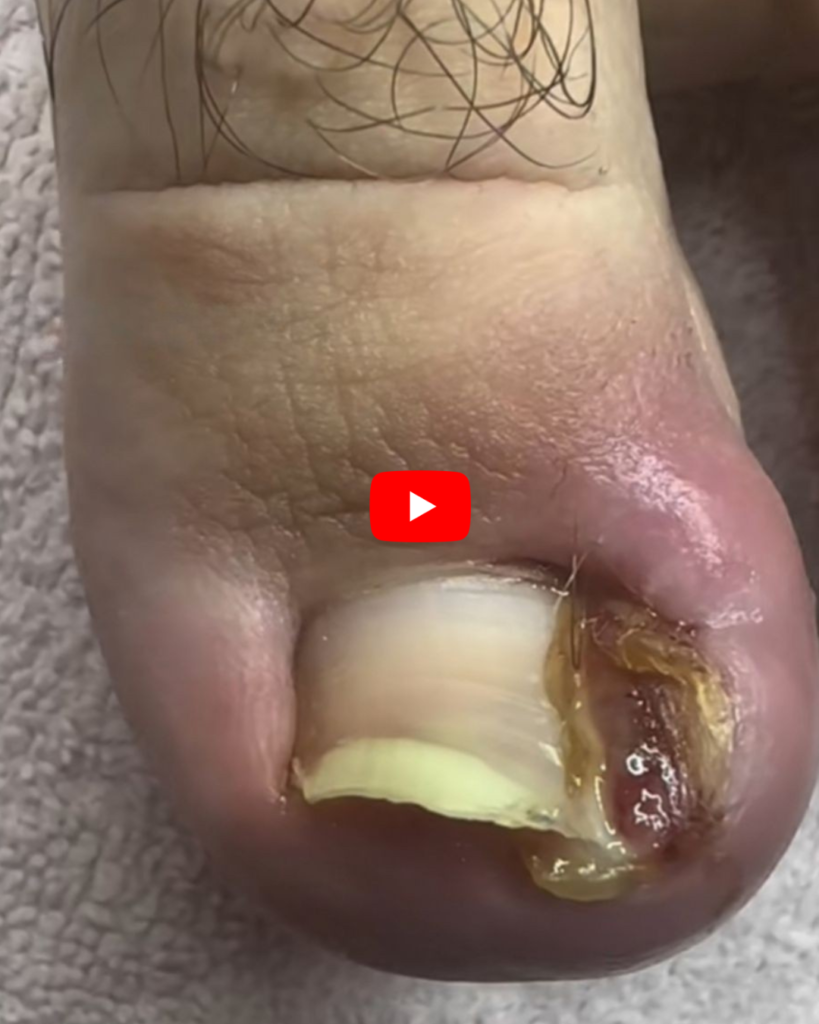
A black toenail can be alarming, especially if it appears suddenly or becomes painful. While most cases are harmless and easily treated, a darkened toenail can sometimes indicate an underlying medical problem that needs attention. Understanding the possible causes can help you decide whether you can manage the issue at home or if it’s time to seek professional care.
What Does a Black Toenail Mean?
A black toenail refers to any dark discoloration that affects part or all of the nail. The color may range from deep purple to brown or jet-black. This discoloration usually results from blood, bruising, fungal infections, or pigment changes under the nail.
Because several conditions can cause a black toenail, it’s helpful to look at associated symptoms such as pain, swelling, thickening, or changes in nail texture.
Common Causes of a Black Toenail
1. Trauma and Bruising
One of the most common reasons for a black toenail is trauma. Even minor injuries can cause blood to collect under the nail, resulting in a condition called subungual hematoma.
Examples of trauma include:
- Dropping something heavy on your toe
- Repeated pressure from running or hiking
- Shoes that are too tight and cause constant rubbing
Symptoms:
Sharp pain, throbbing, swelling, and a dark discoloration that may spread across the nail.
Treatment:
Minor injuries usually heal on their own as the nail grows out. Applying ice, elevating the foot, and wearing looser shoes can help. If pain is intense or pressure builds, a doctor may drain the blood to relieve discomfort.
2. Fungal Infections
Fungal infections often cause yellow or brown discoloration, but sometimes the nail may appear dark or black. This usually happens when debris builds up under the nail or the nail thickens significantly.
Symptoms:
Thick, brittle nails, foul odor, crumbly edges, and gradual discoloration.
Treatment:
Antifungal creams, medicated nail lacquers, or prescription oral medications. Because fungal infections are slow to heal, early treatment is important.
3. Repeated Pressure From Sports (Runner’s Toenail)
Athletes—especially runners, soccer players, and hikers—commonly experience black toenails due to constant impact on the front of the shoe.
Symptoms:
Darkening, soreness, and occasional lifting of the nail.
Treatment:
Proper footwear, moisture-wicking socks, and good nail trimming habits can prevent recurring problems.
4. Bacterial Infection
Certain bacteria, especially Pseudomonas, can cause the nail to turn dark green or almost black.
Symptoms:
Greenish-black color, slight odor, and tenderness in some cases.
Treatment:
Topical or oral antibiotics, improved foot hygiene, and keeping the feet dry.
5. Underlying Health Conditions
Though less common, medical conditions can lead to nail discoloration.
Examples include:
- Diabetes
- Circulatory disorders
- Kidney disease
- Anemia
Poor blood flow or fragile capillaries can cause easy bruising under the nail. If you have a chronic health condition and notice sudden changes in nail color, it’s a good idea to get it checked.
6. Melanoma (A Rare But Serious Cause)
One of the most serious reasons for a black toenail is subungual melanoma, a form of skin cancer that appears under the nail.
Warning signs include:
- A dark streak running vertically down the nail
- Pigmentation spreading onto the surrounding skin (called Hutchinson’s sign)
- No history of injury
- The discoloration not moving as the nail grows
- Changes in shape or thickness
Melanoma under a nail is uncommon but requires immediate medical attention, as early treatment greatly improves outcomes.
When Should You See a Doctor?
While many black toenails are harmless, you should contact a healthcare professional if:
- The discoloration covers most of the nail
- Pain is severe or swelling does not improve
- The nail is lifting from the nail bed
- You notice pus, foul odor, or signs of infection
- You have diabetes or circulation problems
- There is a dark streak that doesn’t grow out with the nail
- You don’t remember injuring the toe
Early evaluation can rule out serious conditions and ensure proper treatment.
How to Prevent Black Toenails
Preventative care can dramatically reduce nail problems:
Wear Properly Fitted Shoes
Shoes that are too tight cause pressure, while shoes that are too loose allow your foot to slide forward. Both increase the risk of trauma.
Trim Nails Correctly
Cut toenails straight across and avoid cutting too short. This prevents ingrown nails and reduces the chance of nail damage.
Use Protective Footwear
If you work in a job where objects can fall on your feet, wear steel-toed boots.
Maintain Foot Hygiene
Wash and dry your feet daily, rotate your shoes, and wear clean socks to reduce fungal and bacterial growth.
Protect Your Feet During Sports
Athletes should use cushioned socks, trim nails regularly, and replace worn shoes.
Final Thoughts
A black toenail can have many causes, ranging from something as simple as a bruise to something more serious like melanoma. Most cases improve naturally or with basic treatment, but persistent or unexplained discoloration should never be ignored. Paying attention to your symptoms and practicing good foot care can help keep your toenails healthy and prevent future problems.
