
Winter brings cold winds, dry air, and many skin and nail problems. One common issue many people face is nail swelling during cold weather. Fingers or toes may become red, painful, swollen, or sensitive when the temperature drops. Sometimes the skin around the nail becomes hard, itchy, or infected. This condition can make daily life uncomfortable, especially when walking, wearing shoes, or using hands for work.
If your nail swelling gets worse during winter, you are not alone. Cold weather affects blood circulation, skin moisture, and nail health. Understanding the causes and learning proper nail care can help reduce pain and prevent future problems.
What Is Nail Swelling?
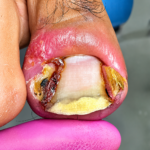
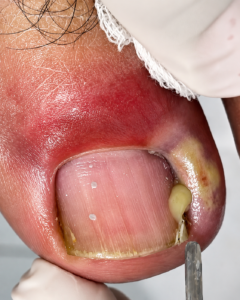
Nail swelling happens when the skin around the nail becomes inflamed. The area may look red, puffy, shiny, or painful. In some cases, pus or fluid may appear near the nail edge. Swelling can affect fingernails or toenails, but toenails are more commonly affected during winter because feet stay inside shoes for long periods.
Sometimes swelling happens slowly, while in other cases it appears suddenly with severe pain.
Common symptoms include:
- Redness around the nail
- Pain when touching the nail
- Warm feeling around the swollen area
- Thick skin near the nail
- Yellow or white discharge
- Difficulty walking or using fingers
- Dry and cracked skin around nails
Why Nails Swell More During Winter
Cold weather changes how the body reacts to temperature. Blood circulation becomes slower, skin loses moisture, and nails become weak. These changes increase the risk of swelling and infection.
1. Dry Skin and Cracks
Winter air removes natural moisture from the skin. Dry skin around nails can crack easily. Small cracks allow bacteria and fungus to enter the skin, causing swelling and infection.
2. Poor Blood Circulation
Cold temperatures reduce blood flow to fingers and toes. Poor circulation makes healing slower and increases inflammation around nails.
3. Tight Shoes and Socks
During winter people wear thick socks and closed shoes. Tight footwear puts pressure on toenails, especially the big toe. Constant pressure can lead to ingrown nails and swelling.
4. Ingrown Toenails
An ingrown nail happens when the nail grows into the skin instead of straight out. This causes pain, redness, and swelling. Cold weather can worsen the condition because shoes stay on for longer hours.
5. Fungal Infections
Moisture trapped inside shoes creates the perfect environment for fungus. Fungal infections make nails thick, yellow, brittle, and swollen.
6. Weak Immune Response
Some people experience weaker immunity during winter, making infections around nails more common.
Signs That Your Nail Swelling May Be Serious
Mild swelling can often improve with home care, but some symptoms should not be ignored.
See a doctor if you notice:
- Severe pain
- Large amount of pus
- Fever
- Swelling spreading to the foot or finger
- Black or blue nail color
- Difficulty walking
- Swelling lasting more than one week
People with diabetes should be extra careful because nail infections can become dangerous if untreated.
Best Winter Nail Care Tips
Taking care of nails during winter can reduce swelling and keep nails healthy. Here are effective and natural ways to protect your nails.
Keep Nails Clean and Dry
Clean nails gently every day using mild soap and warm water. After washing, dry the area completely because moisture encourages bacteria and fungus growth.
Avoid leaving wet socks or gloves on for too long.
Moisturize the Skin Around Nails
Dry skin is one of the biggest causes of winter nail swelling. Apply natural oils or moisturizers around the nails every night.
Good options include:
- Coconut oil
- Olive oil
- Almond oil
- Shea butter
- Aloe vera gel
Massage gently to improve blood circulation.
Wear Comfortable Shoes
Tight shoes increase pressure on nails and can cause ingrown toenails. Choose shoes with enough toe space.
Winter shoes should:
- Keep feet warm
- Allow airflow
- Not squeeze the toes
- Stay dry inside
Avoid wearing the same shoes every day.
Trim Nails Properly
Incorrect nail cutting often causes swelling.
Follow these tips:
- Cut nails straight across
- Do not cut too deep on the sides
- Use clean nail cutters
- Avoid tearing nails by hand
Short but not overly short nails are best.
Soak Nails in Warm Water
Warm water soaking helps reduce swelling and pain.
Simple Home Soak
Mix:
- Warm water
- One teaspoon salt
Soak the swollen nail for 15–20 minutes.
You can repeat this two times daily.
Use Tea Tree Oil
Tea tree oil has natural antibacterial and antifungal properties.
Mix a few drops with coconut oil and apply carefully around the nail. This may help reduce infection and inflammation.
Avoid Biting or Picking Nails
Many people bite nails or remove dry skin around them. This damages the skin barrier and allows germs to enter.
Keep nails smooth and moisturized to avoid irritation.
Keep Feet Warm During Winter
Cold feet reduce circulation and increase pain.
Wear:
- Warm cotton socks
- Soft indoor slippers
- Insulated winter shoes
Avoid walking barefoot on cold floors.
Natural Remedies for Nail Swelling
Some natural remedies may help soothe mild swelling.
Turmeric Paste
Turmeric contains anti-inflammatory properties.
Mix turmeric powder with a little water and apply around the swollen area for 10 minutes.
Aloe Vera
Aloe vera cools irritated skin and reduces redness.
Apply fresh aloe vera gel daily around the nail.
Apple Cider Vinegar Soak
Apple cider vinegar may help fight bacteria and fungus.
Mix:
- Half cup vinegar
- Warm water
Soak for 15 minutes.
Garlic Paste
Garlic has natural antimicrobial properties. Crush fresh garlic and apply a small amount carefully around the swollen area.
Do not leave it too long because it may irritate sensitive skin.
Foods That Support Healthy Nails
Healthy nails also depend on nutrition.
Eat foods rich in:
Biotin
- Eggs
- Nuts
- Bananas
Iron
- Spinach
- Red meat
- Lentils
Protein
- Fish
- Chicken
- Beans
Vitamin C
- Oranges
- Lemons
- Strawberries
Drinking enough water is also important during winter.
How to Prevent Nail Swelling in Winter
Prevention is always better than treatment.
Daily Prevention Checklist
- Moisturize nails daily
- Wear dry socks
- Avoid tight footwear
- Trim nails correctly
- Keep feet warm
- Avoid sharing nail tools
- Clean nail cutters regularly
- Treat fungal infections early
These small habits can greatly improve nail health.
Can Nail Swelling Be Related to Health Problems?
Yes, sometimes repeated nail swelling may be linked to other conditions such as:
- Diabetes
- Poor blood circulation
- Immune system disorders
- Fungal infections
- Skin conditions like eczema
If swelling happens frequently, medical advice is recommended.
Best Winter Routine for Healthy Nails
Here is a simple winter nail care routine:
Morning
- Wash and dry nails carefully
- Apply light moisturizer
- Wear clean socks
Evening
- Soak feet in warm water
- Massage nails with oil
- Check for redness or swelling
Consistency is the key to healthy nails.
Final Thoughts
Nail swelling during winter is a common problem caused by dry skin, cold temperatures, tight shoes, poor circulation, or infections. Although mild swelling can often improve with home care, ignoring the condition may lead to severe pain or infection.
Simple habits like moisturizing, wearing comfortable shoes, trimming nails correctly, and keeping feet warm can make a huge difference. Natural remedies such as aloe vera, tea tree oil, and warm salt water soaks may also help reduce discomfort.
Healthy nails require regular care throughout the winter season. By protecting your nails from dryness and pressure, you can enjoy healthier fingers and toes even during the coldest months.