

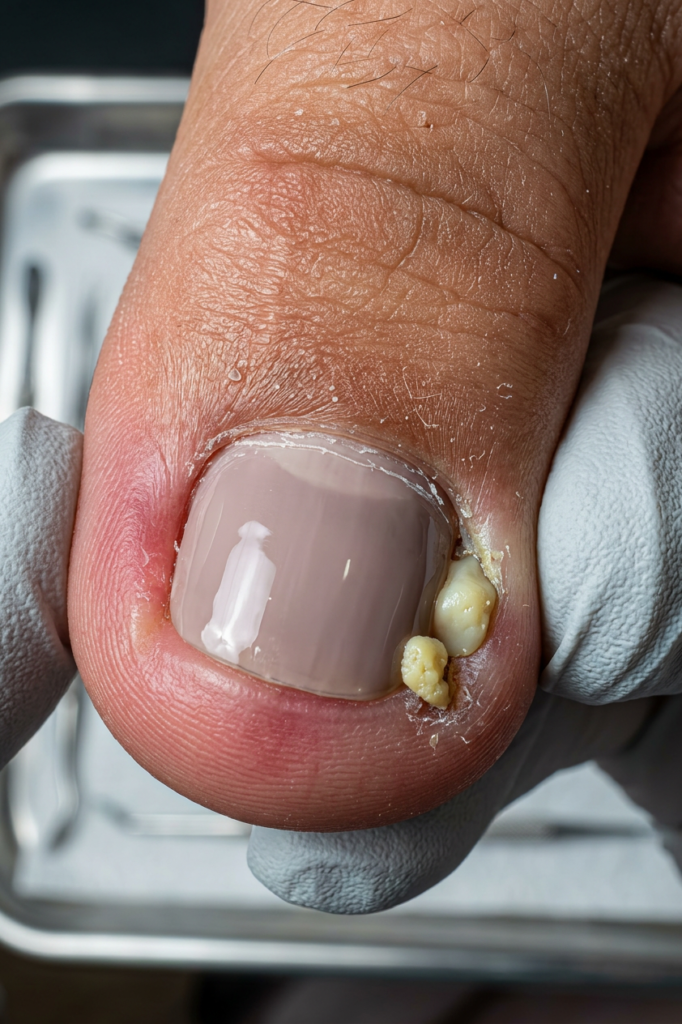
Nails are an important part of our body and often reflect our overall health. Strong and healthy nails not only improve appearance but also protect the sensitive skin beneath them. However, many people face the problem of weak and brittle nails that break easily. This issue can be frustrating and sometimes painful. Weak nails can occur due to poor nutrition, unhealthy habits, medical conditions, or environmental factors. Understanding the causes and solutions can help maintain healthy and strong nails.
Understanding Nail Structure
Nails are made of a protein called keratin, which is also found in hair and skin. Healthy nails are smooth, strong, and slightly flexible. When nails become dry, thin, or damaged, they lose their strength and begin to crack, split, or break easily. Since nails grow slowly, any damage or deficiency in the body may take weeks or months to appear on the nails.
Common Causes of Weak and Brittle Nails
1. Nutritional Deficiencies
One of the most common reasons for weak nails is poor nutrition. Nails require vitamins and minerals to grow properly. A lack of important nutrients can make them thin and fragile.
- Iron deficiency may cause nails to become weak or spoon-shaped.
- Biotin deficiency can reduce nail thickness and strength.
- Low protein intake affects keratin production.
- Deficiency of zinc, calcium, vitamin D, and vitamin B12 may also weaken nails.
People who follow unhealthy diets or skip meals are more likely to experience nail problems.
2. Excessive Exposure to Water
Frequent contact with water can make nails soft and weak. When nails repeatedly absorb water and dry again, they lose moisture and become brittle. Washing dishes, cleaning, or swimming for long periods can damage nails over time.
3. Use of Harsh Chemicals
Many cleaning products contain strong chemicals that remove natural oils from nails. Nail polish removers with acetone, detergents, and soaps can dry out nails and cause them to crack or peel.
4. Nail Biting and Poor Nail Care
Biting nails damages the nail structure and weakens them. Using nails as tools to open cans or scratch surfaces can also lead to breakage. Poor trimming habits or cutting nails too short may increase the risk of damage.
5. Dehydration
Just like skin and hair, nails also need moisture. Lack of water intake can make nails dry and brittle. Dehydration reduces flexibility, making nails more likely to split.
6. Aging
As people grow older, nail growth slows down and moisture decreases naturally. This makes nails thinner and more fragile with age.
7. Medical Conditions
Sometimes weak nails are linked to health problems. Conditions such as:
- Thyroid disorders
- Anemia
- Psoriasis
- Fungal infections
- Diabetes
can affect nail health. If nails change color, shape, or texture suddenly, medical advice should be considered.
Signs of Weak Nails
Weak nails usually show clear signs, including:
- Frequent breaking or cracking
- Peeling layers
- Thin or soft nails
- Rough texture
- Slow nail growth
- White spots or ridges
Ignoring these signs may worsen the condition over time.
How to Make Nails Stronger
Fortunately, weak nails can often be improved with proper care and healthy habits.
1. Eat a Balanced Diet
Healthy nails start from inside the body. Include foods rich in vitamins and minerals such as:
- Eggs and fish for protein
- Spinach and red meat for iron
- Nuts and seeds for zinc
- Milk and yogurt for calcium
- Fruits and vegetables for vitamins
Biotin-rich foods like eggs, almonds, and sweet potatoes may help strengthen nails naturally.
2. Drink Plenty of Water
Staying hydrated keeps nails flexible and healthy. Drinking enough water daily helps prevent dryness and brittleness.
3. Moisturize Nails Regularly
Applying hand cream or natural oils such as coconut oil, olive oil, or almond oil helps maintain moisture. Moisturizing after washing hands is especially helpful.
4. Protect Nails from Water and Chemicals
Wear gloves while washing dishes or using cleaning products. This reduces direct exposure to harsh substances and excessive moisture.
5. Avoid Excessive Nail Products
Frequent use of nail polish, acrylic nails, and acetone removers can weaken nails. Giving nails time to breathe naturally improves their condition.
6. Trim Nails Properly
Keep nails at a moderate length and trim them carefully using clean nail clippers. Filing nails gently in one direction prevents splitting.
7. Stop Nail Biting
Avoid biting or picking at nails. This habit damages nail tissue and increases the risk of infection.
8. Take Supplements if Needed
If nutritional deficiencies are confirmed, doctors may recommend supplements such as biotin, iron, or vitamin D. However, supplements should only be taken with proper medical advice.
Home Remedies for Strong Nails
Several simple home remedies may improve nail strength:
- Soaking nails in warm olive oil for 10–15 minutes
- Applying lemon juice mixed with coconut oil
- Using aloe vera gel for hydration
- Massaging nails to improve blood circulation
While home remedies may help, consistency is important for visible results.
When to See a Doctor
Sometimes weak nails may indicate an underlying health issue. Medical attention is necessary if:
- Nails change color suddenly
- Pain or swelling develops
- Nails separate from the skin
- Severe cracking continues despite care
- Fungal infection signs appear
A doctor or dermatologist can identify the root cause and provide proper treatment.
Conclusion
Weak and brittle nails are a common problem caused by factors such as poor nutrition, dehydration, excessive water exposure, chemicals, and health conditions. Since nails reflect overall health, caring for them properly is very important. Eating a balanced diet, drinking enough water, moisturizing nails, and protecting them from damage can significantly improve nail strength. Simple lifestyle changes and healthy habits often lead to stronger, healthier nails over time. By paying attention to nail care and overall health, anyone can reduce nail breakage and maintain beautiful, strong nails naturally.
