

Many people notice an uncomfortable or even painful sensation in their fingernails during cold weather. This issue can feel strange because nails themselves do not contain nerves, so technically they should not “hurt.” However, the surrounding skin, blood vessels, and underlying tissues can react strongly to cold temperatures, creating pain that feels like it is coming from the nails.
In this article, we will explore why fingernails hurt in cold weather, the possible medical and environmental reasons behind it, symptoms to watch for, and effective ways to prevent or reduce this discomfort.
Understanding Nail Pain in Cold Weather
To understand nail pain, it is important to know that nails are made of keratin, a hard protein similar to hair. Nails themselves do not have nerves, so pain usually comes from:
- Nail bed (skin under the nail)
- Fingers and surrounding tissues
- Blood circulation changes
- Nerve sensitivity in cold temperatures
When exposed to cold weather, your body tries to preserve heat by narrowing blood vessels in the hands and fingers. This reduced blood flow can cause discomfort that feels like it is coming from your fingernails.
Main Causes of Fingernail Pain in Cold Weather
1. Poor Blood Circulation (Most Common Cause)
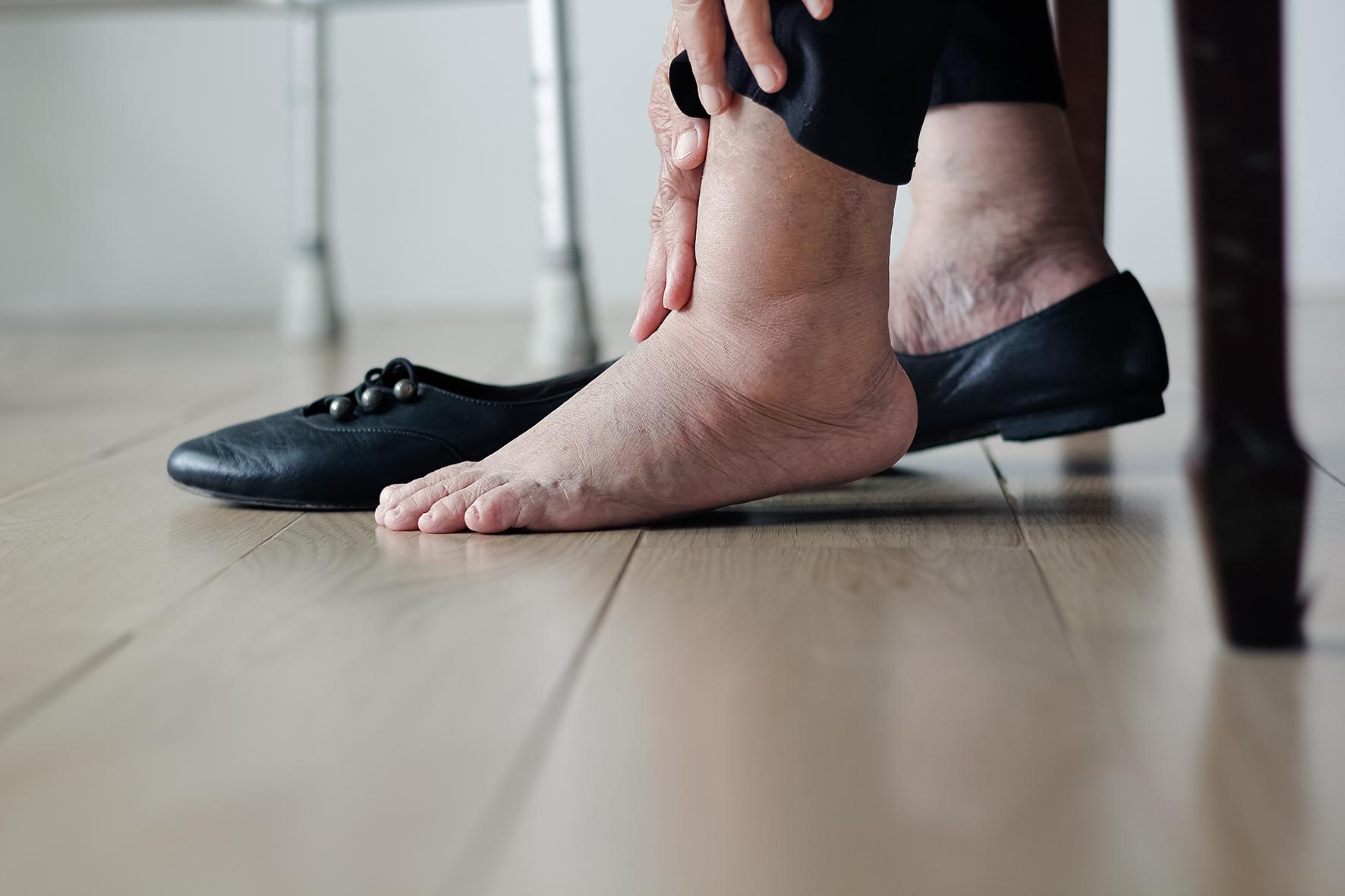
Cold weather causes blood vessels to constrict (narrow), reducing blood flow to extremities like fingers and toes. This condition can lead to:
- Tingling sensation
- Sharp or throbbing pain
- Cold and stiff fingers
- Nail sensitivity
When blood flow is limited, the nail bed becomes more sensitive, which may feel like nail pain.
2. Raynaud’s Phenomenon
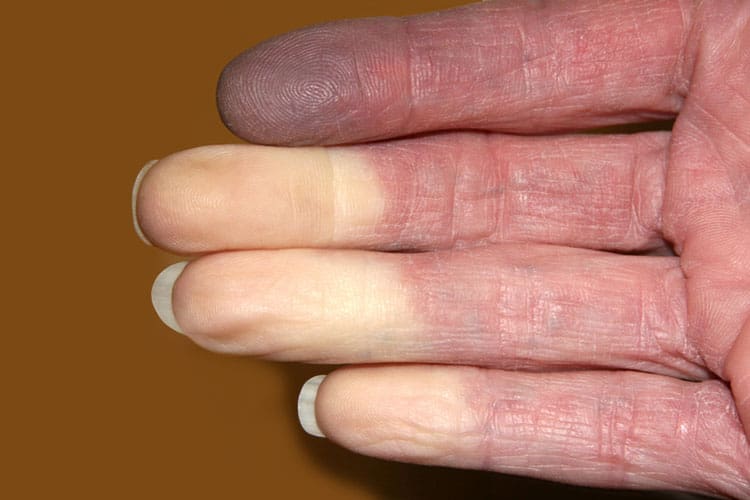
One of the most common medical reasons for nail pain in cold weather is Raynaud’s phenomenon, a condition where small arteries in the fingers temporarily narrow excessively.
Symptoms include:
- Fingers turning white or blue
- Cold and numb sensation
- Pain or burning feeling when warming up
- Increased nail sensitivity
This condition can be triggered by cold temperatures or stress and is more common in women.
3. Dry and Cracked Skin Around Nails

Cold air often has low humidity, which leads to dry skin. When the skin around nails becomes dry:
- Cuticles crack
- Nail beds become exposed
- Small cuts may develop
- Pain increases in cold conditions
Dry skin can make even normal temperature changes feel painful around the nails.
4. Cold-Induced Nerve Sensitivity

Some people naturally have more sensitive nerve endings in their fingers. Cold weather can:
- Stimulate nerve endings
- Increase pain perception
- Cause sharp or burning sensations
This is especially noticeable when moving from warm to cold environments.
5. Arthritis or Joint Issues
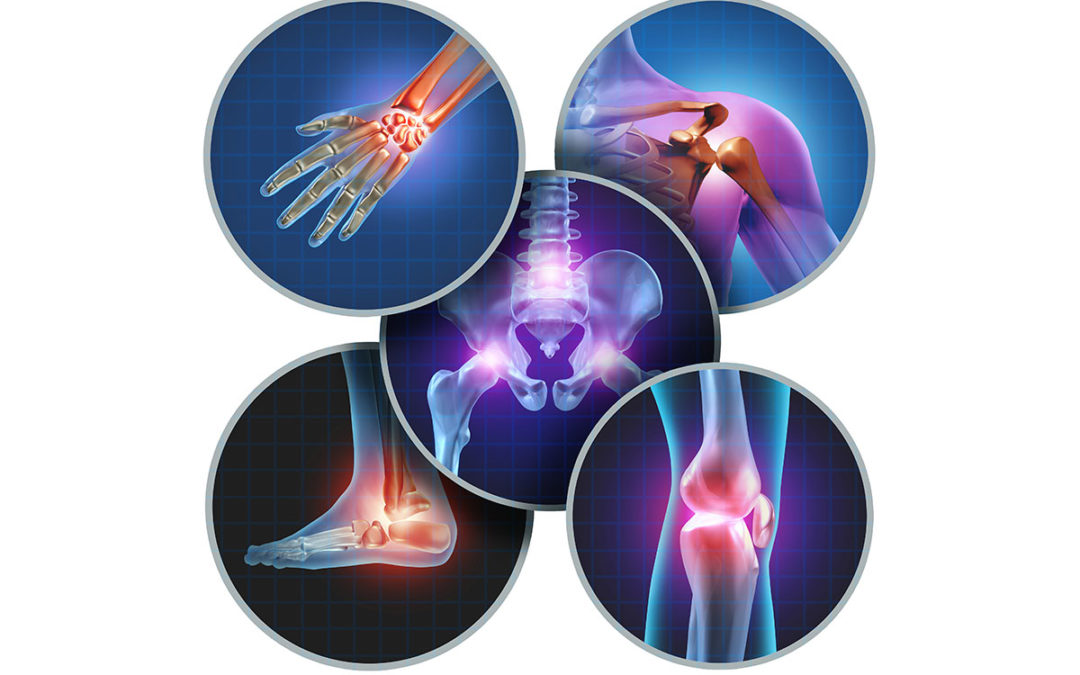
People with arthritis may experience increased finger and nail pain in cold weather. Cold temperatures can:
- Stiffen joints
- Reduce flexibility
- Increase inflammation
- Cause referred pain around nails
Even if the nails are fine, surrounding joints can make it feel like nail pain.
6. Vitamin Deficiencies

Deficiencies in certain nutrients can make fingers and nails more sensitive to cold:
- Vitamin B12 deficiency → nerve sensitivity
- Iron deficiency → poor circulation
- Vitamin D deficiency → increased pain sensitivity
These conditions can worsen cold-related discomfort.
7. Frostnip or Early Frostbite
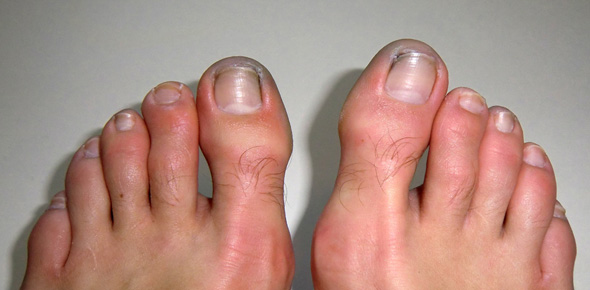
In extreme cold conditions, reduced blood flow can lead to frostnip (mild stage of frostbite), causing:
- Burning pain
- Numbness
- Pale or reddish skin around nails
If untreated, it may become more serious.
Symptoms of Cold-Related Fingernail Pain
If your nail pain is caused by cold weather, you may experience:
- Sharp or tingling pain in fingers
- Cold sensation in hands
- Color changes in nails (pale, blue, or red)
- Stiffness in fingers
- Pain when warming hands
- Dry or cracked skin around nails
These symptoms usually improve when hands are warmed.
How to Prevent Fingernail Pain in Cold Weather
1. Keep Hands Warm
- Wear insulated gloves in cold weather
- Use hand warmers if necessary
- Avoid direct exposure to freezing wind
Keeping warmth helps maintain blood flow.
2. Moisturize Regularly
Apply hand cream or petroleum jelly to:
- Cuticles
- Fingertips
- Nail beds
This prevents dryness and cracking.
3. Improve Blood Circulation
- Move fingers regularly
- Do light hand exercises
- Avoid smoking (it reduces blood flow)
Better circulation reduces pain significantly.
4. Stay Hydrated
Dehydration can worsen skin dryness and sensitivity. Drink enough water daily, even in winter.
5. Balanced Diet
Include foods rich in:
- Iron (spinach, meat, lentils)
- Vitamin B12 (eggs, dairy, fish)
- Vitamin D (sunlight, supplements if needed)
6. Avoid Sudden Temperature Changes
Rapid changes from hot to cold environments can trigger pain. Try to transition gradually when possible.
When to See a Doctor
You should consult a healthcare professional if:
- Pain is severe or persistent
- Fingers change color frequently
- You suspect Raynaud’s disease
- There is swelling or infection around nails
- Pain affects daily activities
Early diagnosis can prevent complications.
Home Remedies for Relief
Warm Water Soak
Soak hands in warm (not hot) water for 5–10 minutes to improve circulation.
Massage
Gently massage fingers and nails to stimulate blood flow.
Aloe Vera Gel
Helps soothe dry and irritated skin around nails.
Mustard Oil or Coconut Oil
Natural oils improve moisture and reduce cracking.
Conclusion
Fingernail pain in cold weather is usually not caused by the nails themselves but by circulation changes, nerve sensitivity, dryness, or underlying conditions like Raynaud’s phenomenon. While it can be uncomfortable, it is often manageable with simple lifestyle changes such as keeping hands warm, improving hydration, and using moisturizers.
If symptoms persist or worsen, it is important to seek medical advice to rule out underlying health issues.
By understanding the causes and taking preventive steps, you can protect your hands and enjoy cold weather without discomfort.
