

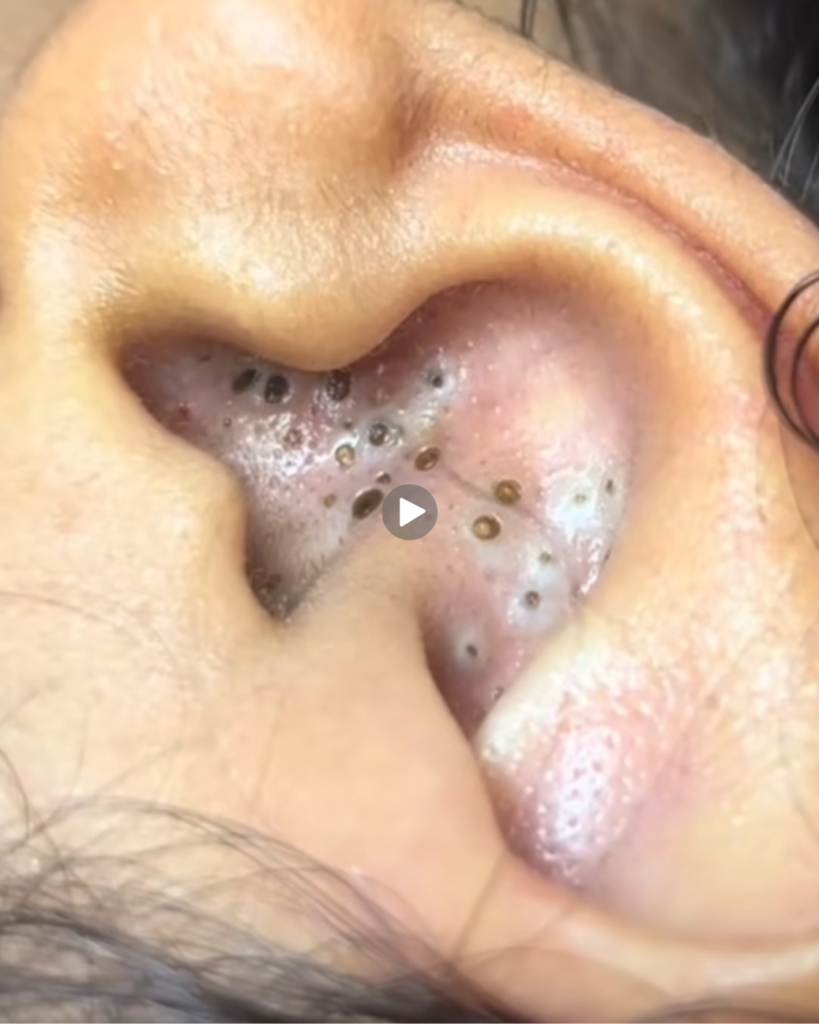
Blackheads are a common skin problem that can appear almost anywhere on the body—including inside and around the ears. While many people notice blackheads on the nose, chin, or forehead, finding one in your ear can be surprising and uncomfortable. Ear blackheads may be difficult to remove because of their location, and they often return if the underlying causes are not addressed.
If you’ve ever wondered, “Why do I keep getting blackheads in my ear?” this guide explains the causes, treatment options, prevention tips, and the best skincare practices to keep your ears clean and healthy.
What Are Ear Blackheads?
Blackheads, also called open comedones, develop when hair follicles become clogged with excess oil (sebum), dead skin cells, and debris. Because the pore remains open, the trapped material reacts with oxygen, turning dark and creating the familiar black appearance.
The outer ear and ear canal contain oil glands that can produce enough sebum to clog pores, making blackheads possible in these areas.
Why Do I Keep Getting Blackheads in My Ear?
Several factors can cause recurring ear blackheads.
1. Excess Oil Production
People with naturally oily skin produce more sebum. When oil combines with dead skin cells, pores inside and around the ear can become blocked.
2. Dead Skin Cell Buildup
Your skin continuously sheds dead cells. If these cells are not removed naturally, they can mix with oil and clog pores.
3. Poor Ear Hygiene
Although ears should not be cleaned aggressively, allowing sweat, dirt, or oil to accumulate around the outer ear may increase the risk of clogged pores.
4. Wearing Earbuds or Headphones
Earbuds, headphones, and hearing aids can trap sweat, bacteria, and oil against the skin. If they are not cleaned regularly, they may contribute to blackhead formation.
5. Hair Products
Hair sprays, oils, gels, conditioners, and styling creams can transfer onto the ears and clog pores.
6. Hormonal Changes
Hormonal fluctuations during puberty, pregnancy, menstruation, or times of stress can increase oil production, leading to more blackheads.
7. Genetics
Some people naturally have larger pores or oilier skin, making them more likely to develop recurring blackheads.
8. Sweating
Heavy sweating during exercise or hot weather can combine with oil and dirt, increasing the chance of clogged pores.
Symptoms of Ear Blackheads
Common signs include:
- Small black or dark-colored bump
- Rough skin texture
- Visible clogged pore
- Mild tenderness if irritated
- Usually no severe pain
Unlike pimples, blackheads are generally not inflamed unless they become infected.
How to Safely Treat Ear Blackheads
Clean the Area Daily
Wash the outer ear gently with a mild facial cleanser once or twice a day. Avoid inserting soap deep into the ear canal.
Use Salicylic Acid
Products containing 1–2% salicylic acid can help dissolve excess oil and unclog pores. Apply carefully to the outer ear only, avoiding the ear canal.
Apply a Warm Compress
A warm compress for 5–10 minutes can soften oil and debris, making blackheads easier to clear naturally.
Use a Clay Mask
A clay or charcoal mask on the outer ear once a week can help absorb excess oil and reduce clogged pores.
Moisturize
Even oily skin benefits from hydration. Use a lightweight, non-comedogenic moisturizer around the outer ear if the skin feels dry.
Should You Squeeze Ear Blackheads?
It is best not to squeeze or pick at blackheads, especially inside the ear. The skin is delicate, and squeezing may cause:
- Infection
- Bleeding
- Scarring
- Pain
- Swelling
If a blackhead is difficult to remove or repeatedly returns, a dermatologist can safely extract it using sterile tools.
Home Remedies
Some gentle home remedies may help support healthy skin, though they are generally less effective than proven skincare ingredients.
Aloe Vera
Fresh aloe vera gel may soothe irritated skin and provide light hydration.
Honey
Honey has moisturizing properties and can be applied to the outer ear for 10–15 minutes before rinsing.
Warm Steam
Steam may help soften oil buildup, but avoid exposing the ear to excessive heat.
Prevention Tips
Reduce the chances of recurring ear blackheads by following these habits:
- Wash your face and outer ears daily.
- Clean earbuds and headphones regularly.
- Avoid touching your ears with dirty hands.
- Keep hair products away from the ears.
- Wash after sweating.
- Change pillowcases weekly.
- Use non-comedogenic skincare and hair products.
Foods That Support Healthy Skin
A healthy diet may support overall skin health.
Eat more:
- Fresh fruits
- Vegetables
- Whole grains
- Lean protein
- Omega-3-rich fish
- Plenty of water
Limit:
- Sugary snacks
- Processed foods
- Excess greasy fast food
When to See a Dermatologist
Seek medical advice if:
- The blackhead becomes painful.
- You notice redness or swelling.
- There is pus or drainage.
- The bump continues to return.
- It affects your hearing.
- Home care does not improve it after several weeks.
A healthcare professional may recommend prescription treatments or perform a safe extraction.
Frequently Asked Questions
Are ear blackheads normal?
Yes. Although they are less common than facial blackheads, they are a normal skin condition caused by clogged pores.
Can earwax cause blackheads?
Earwax itself does not cause blackheads, but oil and dead skin cells around the outer ear can clog pores.
Is it safe to use cotton swabs?
Cotton swabs should not be inserted into the ear canal because they can push wax deeper and may injure the ear.
Do ear blackheads go away on their own?
Some may clear naturally, but many improve faster with proper skincare and prevention.
Final Thoughts
Recurring blackheads in the ear are usually caused by excess oil, dead skin cells, sweat, and clogged pores. A gentle cleansing routine, salicylic acid, clean earbuds, and avoiding pore-clogging products can help reduce their appearance. Never forcefully squeeze ear blackheads, especially inside the ear. If they become painful, infected, or keep returning, consult a dermatologist for safe treatment.
