

Introduction
Dogs are beloved companions that bring joy, loyalty, and comfort to millions of families around the world. However, like humans, dogs can suffer from various health issues, and skin problems are among the most common. A dog’s skin is its largest organ and serves as a protective barrier against environmental threats. When skin issues develop, they can cause discomfort, itching, pain, and even serious infections if left untreated.
Many dog owners wonder why their pets develop skin conditions and what can be done to prevent them. Understanding the causes of dog skin problems is the first step toward maintaining your pet’s health and happiness. This article explores the most common reasons dogs experience skin issues, the symptoms to watch for, and practical ways to keep your dog’s skin healthy.
Common Causes of Skin Problems in Dogs
1. Allergies
Allergies are one of the leading causes of skin problems in dogs. Just like people, dogs can react negatively to certain substances in their environment.
Common allergy triggers include:
- Pollen
- Dust mites
- Mold
- Certain foods
- Flea bites
- Household cleaning products
When a dog experiences an allergic reaction, the immune system overreacts, causing inflammation and irritation of the skin. Dogs with allergies often scratch excessively, lick their paws, or rub against furniture to relieve discomfort.
2. Fleas and Parasites
Parasites are another major cause of skin diseases in dogs. Fleas, ticks, mites, and lice can irritate the skin and trigger severe itching.
Flea Allergy Dermatitis (FAD) is particularly common. Some dogs are highly sensitive to flea saliva, and even a single flea bite can cause intense itching and inflammation.
Mites can lead to conditions such as:
- Demodectic mange
- Sarcoptic mange
These infestations often result in hair loss, redness, scabbing, and skin infections.
3. Bacterial and Fungal Infections
Dogs can develop bacterial or fungal infections when their skin barrier becomes damaged.
Common fungal infections include:
- Ringworm
- Yeast infections
Bacterial infections may occur after excessive scratching or due to underlying allergies. Symptoms often include:
- Redness
- Swelling
- Pus-filled bumps
- Unpleasant odor
- Crusty skin
Warm and humid environments can increase the risk of fungal growth, especially in dogs with thick coats.
4. Poor Nutrition
A dog’s diet plays a crucial role in skin health. Nutritional deficiencies can weaken the skin and coat, making them more susceptible to problems.
Essential nutrients for healthy skin include:
- Omega-3 fatty acids
- Omega-6 fatty acids
- Protein
- Zinc
- Vitamins A and E
Dogs fed low-quality diets may develop dry skin, excessive shedding, dull coats, and increased sensitivity to infections.
5. Environmental Factors
Environmental conditions can significantly affect a dog’s skin.
Common environmental causes include:
- Dry weather
- Excessive heat
- High humidity
- Exposure to chemicals
- Harsh shampoos
During winter, low humidity levels can cause dry and flaky skin. In contrast, hot and humid conditions may promote bacterial and fungal growth.
6. Hormonal Imbalances
Hormonal disorders can have a major impact on skin health.
Common hormonal conditions include:
- Hypothyroidism
- Cushing’s disease
These disorders may lead to:
- Hair loss
- Thin skin
- Darkened skin
- Recurring infections
If a dog’s skin condition persists despite treatment, veterinarians often investigate potential hormonal causes.
7. Genetics
Certain dog breeds are genetically predisposed to skin problems.
Breeds commonly affected include:
- Bulldogs
- Labrador Retrievers
- Golden Retrievers
- German Shepherds
- Shar-Peis
These breeds may be more likely to develop allergies, infections, or inherited skin disorders.
Signs and Symptoms of Dog Skin Problems
Recognizing skin issues early can help prevent complications. Common symptoms include:
Excessive Scratching
Frequent scratching is often the first sign that something is wrong. Dogs may scratch their ears, neck, belly, or paws repeatedly.
Hair Loss
Patchy or widespread hair loss can indicate allergies, parasites, hormonal issues, or infections.
Redness and Inflammation
Inflamed skin is often a sign of irritation, allergy, or infection.
Scabs and Crusts
Scabbing may occur due to scratching, infections, or skin diseases.
Bad Odor
An unpleasant smell coming from the skin may indicate a bacterial or yeast infection.
Licking and Chewing
Dogs often lick or chew affected areas to relieve itching or pain.
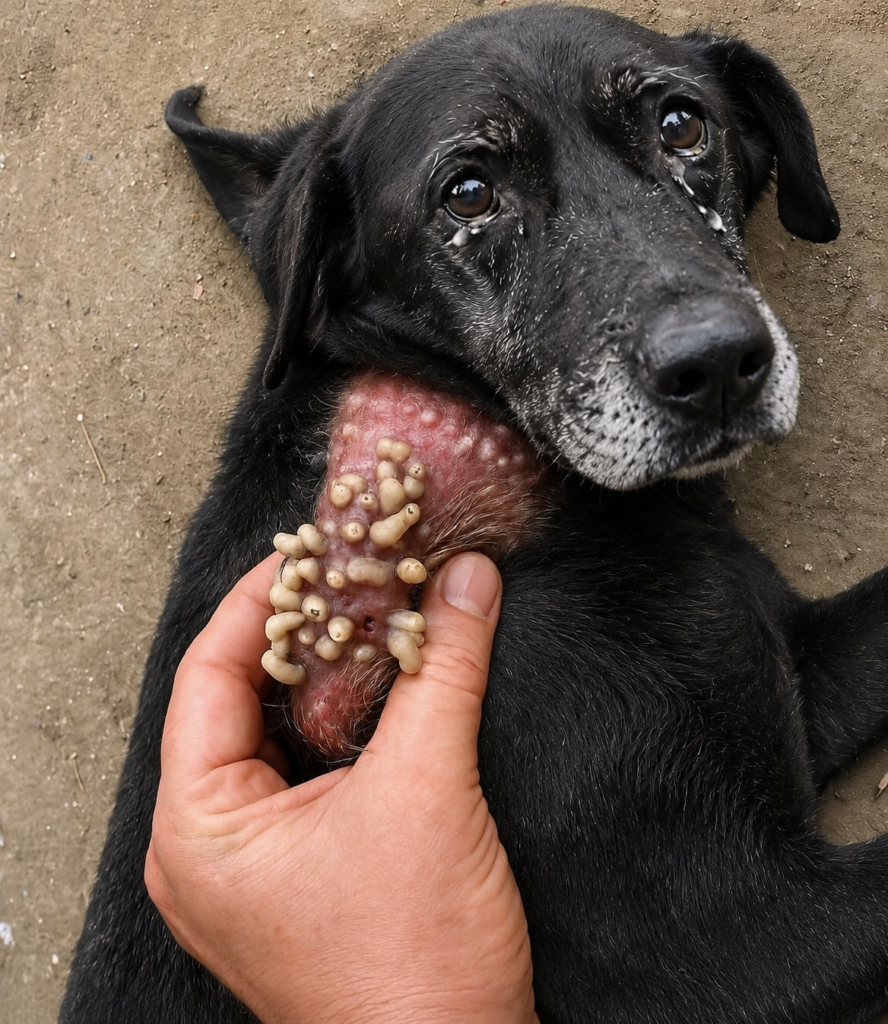
Skin Bumps and Lesions
Lumps, bumps, pustules, or sores should always be examined by a veterinarian.
How Skin Problems Affect Dogs
Skin diseases can have a significant impact on a dog’s quality of life.
Effects may include:
- Constant discomfort
- Sleep disturbances
- Anxiety and stress
- Secondary infections
- Reduced activity levels
Severe skin conditions can become painful and may require extensive medical treatment if not addressed promptly.
Preventing Skin Problems in Dogs
Maintain a Healthy Diet
Providing a balanced, nutrient-rich diet is one of the best ways to support healthy skin.
Look for dog foods that contain:
- High-quality protein
- Essential fatty acids
- Vitamins and minerals
Consult your veterinarian before making major dietary changes.
Regular Grooming
Routine grooming helps remove dirt, loose hair, and potential parasites.
Benefits include:
- Improved skin circulation
- Early detection of abnormalities
- Reduced matting and irritation
Use dog-specific shampoos that are gentle on the skin.
Flea and Tick Prevention
Consistent parasite prevention is essential.
Options include:
- Flea collars
- Oral medications
- Topical treatments
Follow your veterinarian’s recommendations for year-round protection.
Keep the Environment Clean
Reducing exposure to allergens can help prevent skin reactions.
Helpful measures include:
- Washing bedding regularly
- Vacuuming frequently
- Using air purifiers
- Avoiding harsh chemicals
Regular Veterinary Checkups
Routine examinations can help identify skin issues before they become serious.
Veterinarians can diagnose:
- Allergies
- Infections
- Hormonal disorders
- Parasite infestations
Early treatment often leads to better outcomes.
When to See a Veterinarian
You should seek veterinary care if your dog experiences:
- Persistent itching
- Severe hair loss
- Open wounds
- Swelling
- Bleeding skin
- Unusual lumps
- Signs of infection
Prompt treatment can prevent complications and improve your dog’s comfort.
Conclusion
Skin problems in dogs can arise from many causes, including allergies, parasites, infections, poor nutrition, environmental factors, hormonal imbalances, and genetics. While some skin conditions are mild and temporary, others can become serious if left untreated.
By understanding the causes and symptoms of canine skin disorders, dog owners can take proactive steps to protect their pets. A healthy diet, regular grooming, parasite prevention, and routine veterinary care all play important roles in maintaining healthy skin and a shiny coat.
Taking care of your dog’s skin is not just about appearance—it is an essential part of overall health and well-being. With proper attention and preventive care, most skin problems can be managed effectively, helping your furry companion live a happier, healthier life.
