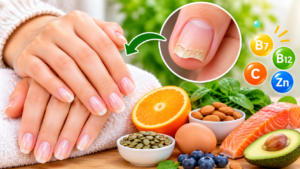

Healthy nails are more than just a part of your appearance. They can also provide clues about your nutritional health and overall well-being. Strong, smooth nails require proper nutrition, consistent care and an adequate supply of essential vitamins and minerals.
Your fingernails are continuously growing as new nail cells develop beneath the nail bed and push older cells forward. This natural process depends on several nutrients, including biotin, vitamin B12, iron, magnesium, protein, vitamin C and zinc.
When your body does not receive enough essential nutrients, you may experience brittle nails, slow nail growth, discoloration or changes in nail texture.
Although many beauty supplements claim to improve nail strength and growth, scientific evidence supporting these products remains limited. Biotin is one nutrient that has shown potential benefits for people with brittle nails, although research is still limited.
In this guide, we will explore seven important vitamins and nutrients for healthy nails, their food sources and how a balanced diet can support stronger, healthier-looking nails.
1. Biotin: An Important Vitamin for Strong Nails
Biotin, also known as vitamin B7, is a water-soluble B-complex vitamin that supports healthy cell growth and helps the body metabolize nutrients, including amino acids involved in protein production.
Since nails are primarily made of keratin, a structural protein, adequate nutrition is important for normal nail development.
Biotin has received particular attention for its potential role in improving brittle nails.
Some small studies conducted in the late 1980s and early 1990s reported improvements in nail strength among participants who took biotin supplements.
For example, a 1993 study involving 35 people with brittle fingernails found that 63% experienced improvement after taking 2.5 mg of biotin daily for six weeks to seven months.
However, these findings are based on relatively small and older studies. More research is needed to establish how effective biotin supplementation is for nail health.
Foods Rich in Biotin
You can obtain biotin from several everyday foods, including:
- Egg yolks
- Salmon
- Dairy products
- Nuts
- Seeds
- Avocados
- Sweet potatoes
- Cauliflower
- Organ meats, particularly liver
The adequate intake (AI) recommendation for adults is 30 micrograms of biotin per day.
A balanced diet is generally a good starting point for meeting your nutritional needs.
Youtube Video
2. Vitamin B12 and Folate for Healthy Nail Growth
Other B vitamins, particularly vitamin B12 and folate (vitamin B9), also contribute to normal nail health.
These nutrients support red blood cell production and the development of new cells throughout the body.
Vitamin B12
Vitamin B12 helps the body produce healthy red blood cells and supports normal iron metabolism.
Both iron and vitamin B12 are important for maintaining healthy tissues, including the nails.
Inadequate vitamin B12 levels may sometimes be associated with noticeable nail changes, including:
- Bluish nail discoloration.
- Dark longitudinal streaks.
- Brownish pigmentation.
- Changes in nail appearance.
Adults generally require 2.4 micrograms of vitamin B12 daily.
Good dietary sources include:
- Fish
- Meat
- Poultry
- Eggs
- Milk
- Dairy products
- Vitamin B12-fortified foods
Folate (Vitamin B9)
Folate is another important nutrient that supports cell division and red blood cell formation.
Since healthy nail growth depends on the development of new cells, adequate folate intake contributes to normal nail development.
Folate deficiency may be associated with brittle nails, rigidity and changes in nail pigmentation.
Adults generally need 400 micrograms of dietary folate equivalents per day.
Foods Rich in Folate
Consider adding these foods to your diet:
- Spinach
- Broccoli
- Beans
- Peas
- Citrus fruits
- Avocados
- Nuts
- Seeds
Eating a variety of foods containing B vitamins can help support normal nail growth and overall health.
3. Iron: Essential for Healthy Nail Development
Iron is an essential mineral that helps your body produce hemoglobin, a protein in red blood cells responsible for carrying oxygen throughout the body.
Your nails also need an adequate oxygen supply to support normal tissue health and development.
Low iron levels can contribute to iron deficiency anemia, which may sometimes cause noticeable changes in nail appearance.
One possible sign is koilonychia, commonly known as spoon-shaped nails. In this condition, the nails become thin and develop a concave appearance.
Other possible nail changes include:
- Vertical ridges.
- Increased nail brittleness.
- Changes in nail shape.
- Unusual nail appearance.
Iron requirements vary depending on age, sex and other individual factors. Many adults require 8 mg daily, while some groups have higher requirements.
Best Food Sources of Iron
Include iron-rich foods in your meals, such as:
- Beef
- Chicken
- Fish
- Eggs
- Spinach
- Beans
- Lentils
- Pumpkin seeds
- Peanuts
- Other dark green leafy vegetables
An important nutrition tip is to combine plant-based iron sources with vitamin C-rich foods.
For example, eating oranges or guava alongside spinach, beans or lentils can help improve the absorption of plant-based iron.
If you suspect iron deficiency, consult a healthcare professional before taking iron supplements.
4. Magnesium: A Mineral That Supports Nail Growth
Magnesium is involved in hundreds of biochemical reactions in the human body.
It contributes to protein synthesis, energy production and several other functions that support normal cellular activity.
Protein synthesis is particularly important for nail development because fingernails are primarily composed of keratin.
Inadequate magnesium intake can affect normal body functions. Some discussions also associate magnesium deficiency with changes in nail appearance, although nail ridges alone cannot reliably diagnose a deficiency.
Adult magnesium requirements generally range from 310 to 420 mg daily, depending on age and sex.
Foods Rich in Magnesium
You can support your magnesium intake by eating:
- Almonds
- Cashews
- Peanuts
- Quinoa
- Whole grains
- Black beans
- Edamame
- Spinach
- Other dark green leafy vegetables
Adding nuts, seeds and whole grains to your daily meals is a practical way to obtain magnesium naturally.
5. Protein: The Building Block of Strong Nails
Protein plays an important role in maintaining healthy nails because fingernails are primarily made of keratin, a strong fibrous structural protein.
Keratin gives nails their structure, strength and resilience.
Your body needs sufficient protein to support normal tissue growth and repair. Inadequate protein intake may contribute to weaker nails and affect overall health.
The general recommended dietary allowance for protein is 0.8 grams per kilogram of body weight per day for healthy adults.
However, individual protein requirements can vary depending on age, physical activity, health conditions and nutritional needs.
Best Protein-Rich Foods for Nail Health
Consider including these foods in your daily diet:
- Eggs
- Chicken
- Fish
- Lean meat
- Milk
- Yogurt
- Soybeans
- Lentils
- Chickpeas
- Nuts
- Seeds
- Whole grains
You do not need to depend entirely on animal products to obtain protein. A combination of plant-based protein sources can also help meet your nutritional requirements.
6. Vitamin C: Supports Collagen Production
Vitamin C is an essential nutrient that supports collagen production and protects cells against oxidative stress.
Collagen is an important structural protein found in various body tissues. It contributes to the structure and integrity of tissues surrounding the nails.
Although keratin is the primary structural protein in fingernails, vitamin C supports normal collagen formation and overall tissue health.
Inadequate vitamin C intake can lead to deficiency symptoms, including brittle nails and other changes in connective tissues.
Foods Rich in Vitamin C
Some excellent dietary sources include:
- Oranges
- Lemons
- Guava
- Strawberries
- Kiwi
- Tomatoes
- Bell peppers
- Broccoli
- Green vegetables
Adults generally require approximately 75–90 mg of vitamin C daily, depending on sex and individual requirements.
Including fresh fruits and vegetables in your meals is an easy way to support adequate vitamin C intake.
7. Zinc: Important for Nail Growth and Cell Development
Zinc is an essential mineral that supports immune function, protein synthesis and normal cell growth.
Nail cells grow and divide continuously, making adequate zinc intake important for maintaining normal nail development.
Insufficient zinc intake may contribute to changes in nail appearance, including white spots and other abnormalities.
However, white spots on nails can have several causes and do not automatically indicate zinc deficiency.
Adults generally require around 8–11 mg of zinc daily, depending on sex and individual nutritional needs.
Foods Rich in Zinc
Good dietary sources include:
- Beef
- Chicken
- Fish
- Eggs
- Chickpeas
- Black beans
- Soybeans
- Almonds
- Cashews
- Pumpkin seeds
Eating a balanced combination of animal and plant-based foods can help provide sufficient zinc for normal body functions.
Best Foods to Include in Your Diet for Healthy Nails
A balanced diet is one of the most practical ways to support nail health.
Instead of relying on expensive supplements, focus on including a variety of nutrient-rich foods in your everyday meals.
Here are some foods worth adding to your diet:
| Food | Important Nutrients |
|---|---|
| Eggs | Biotin, protein and vitamin B12 |
| Salmon | Protein and biotin |
| Spinach | Folate, iron and magnesium |
| Almonds | Magnesium, vitamin E and protein |
| Guava | Vitamin C |
| Lentils | Protein, iron and folate |
| Pumpkin seeds | Zinc, magnesium and iron |
| Yogurt | Protein and vitamin B12 |
| Avocados | Biotin and healthy fats |
| Sweet potatoes | Beta-carotene and other nutrients |
Eating different fruits, vegetables, nuts, seeds and protein-rich foods can help your body receive the nutrients needed for normal nail development.
Can Supplements Help Improve Nail Health?
Nail health supplements are widely marketed for improving nail growth, reducing brittleness and increasing nail strength.
Many of these products contain combinations of biotin, zinc, iron, collagen and other vitamins and minerals.
However, scientific evidence supporting most nail supplements remains limited.
Biotin has shown some potential benefits in small studies involving people with brittle nails, but larger and more recent studies are needed.
Before choosing a supplement, consider the following:
- Check the ingredient list carefully.
- Avoid taking excessive doses of individual vitamins and minerals.
- Consider whether you have an actual nutritional deficiency.
- Consult a healthcare professional if you take medications or have an existing health condition.
- Choose a balanced diet as your primary source of nutrients.
It is also important to know that high-dose biotin supplements can interfere with certain laboratory test results, including some thyroid and cardiac tests. Tell your healthcare professional if you take biotin before having blood tests.
Supplements are not a replacement for a healthy diet or appropriate medical care.
Common Signs of Unhealthy Nails
Your fingernails can sometimes provide clues about changes in your overall health.
Some common nail changes include:
- Brittle nails: Nails that split, crack or break easily.
- Slow nail growth: Nails that appear to grow more slowly than usual.
- Vertical ridges: Lines that run from the base of the nail toward the tip.
- Discoloration: Changes in the natural colour of your nails.
- White spots: Small white marks that may develop for several reasons.
- Spoon-shaped nails: Nails that become thin and curve inward.
These changes do not always indicate nutritional deficiencies. Injury, ageing, infections and other medical conditions can also affect nail appearance.
If you notice sudden, persistent or unusual nail changes, consider consulting a dermatologist.
Simple Daily Habits for Strong and Healthy Nails
Nutrition is important, but everyday nail care habits also contribute to maintaining healthy nails.
Follow these simple practices:
- Keep your nails clean and dry.
- Avoid biting or picking your nails.
- Moisturise your nails and cuticles regularly.
- Wear protective gloves when using cleaning products.
- Avoid excessive use of harsh nail products.
- Trim your nails regularly.
- Maintain a balanced diet.
- Avoid using your nails as tools.
- Give damaged nails time to recover.
- Seek professional advice for persistent nail problems.
Combining good nutrition with consistent nail care can help maintain stronger, healthier-looking nails.
Frequently Asked Questions About Vitamins for Healthy Nails
1. Which vitamin is best for strong and healthy nails?
Biotin, also known as vitamin B7, is often discussed for its potential benefits for brittle nails. However, adequate protein, iron, zinc and other nutrients are also important for normal nail health.
2. Can biotin help improve brittle nails?
Some small studies suggest that biotin supplementation may improve brittle nails. However, the available research is limited, and more studies are needed to confirm its effectiveness.
3. What foods help nails grow faster?
Foods containing protein, biotin, iron, zinc and other essential nutrients can support normal nail growth. Examples include eggs, fish, lentils, nuts, seeds and leafy green vegetables.
4. Why do fingernails become weak and brittle?
Brittle nails may develop because of frequent exposure to water, harsh chemicals, ageing, nutritional deficiencies and certain medical conditions.
5. Does vitamin C help nail health?
Vitamin C supports collagen production and protects cells against oxidative stress. It contributes to normal tissue health, making it an important part of a balanced diet.
6. How can I strengthen my nails naturally?
Eat a balanced diet containing adequate protein, fruits, vegetables, nuts and seeds. Keep your nails moisturised, avoid harsh chemicals and maintain good nail hygiene.
7. Can nutritional deficiencies change nail appearance?
Yes. Certain nutritional deficiencies, including iron, vitamin B12 and zinc deficiencies, may be associated with changes in nail appearance. However, nail changes alone cannot confirm a deficiency.
Conclusion: Support Healthy Nails Through Proper Nutrition
Maintaining strong and healthy nails requires more than applying nail polish or using expensive nail care products. Your body needs essential vitamins, minerals and protein to support normal nail growth and development.
Biotin, vitamin B12, folate, iron, magnesium, protein, vitamin C and zinc all contribute to important functions involved in maintaining healthy tissues and normal nail development.
The best approach is to eat a balanced diet containing fruits, vegetables, whole grains, nuts, seeds and adequate protein.
Although certain supplements, particularly biotin, have shown potential benefits for brittle nails, scientific evidence remains limited. It is always better to understand your nutritional needs before starting supplementation.
Remember, healthy nails begin with consistent care, good nutrition and healthy everyday habits.