

Introduction
Scalp acne is a common skin condition that affects the hair-bearing area of the head. Many people experience painful pimples, red bumps, or itchy spots on the scalp but often ignore them or confuse them with dandruff or fungal infections. Scalp acne can be uncomfortable and, in severe cases, may even lead to temporary hair loss or scarring if left untreated.
Understanding why scalp acne happens and how to treat it effectively is essential for maintaining a healthy scalp and strong hair. This article explains the causes, symptoms, treatment options, home remedies, and prevention tips for scalp acne in a clear and practical way.
What Is Scalp Acne?
Scalp acne occurs when hair follicles on the scalp become clogged with excess oil (sebum), dead skin cells, sweat, and bacteria. These clogged follicles become inflamed, leading to pimples similar to facial acne.
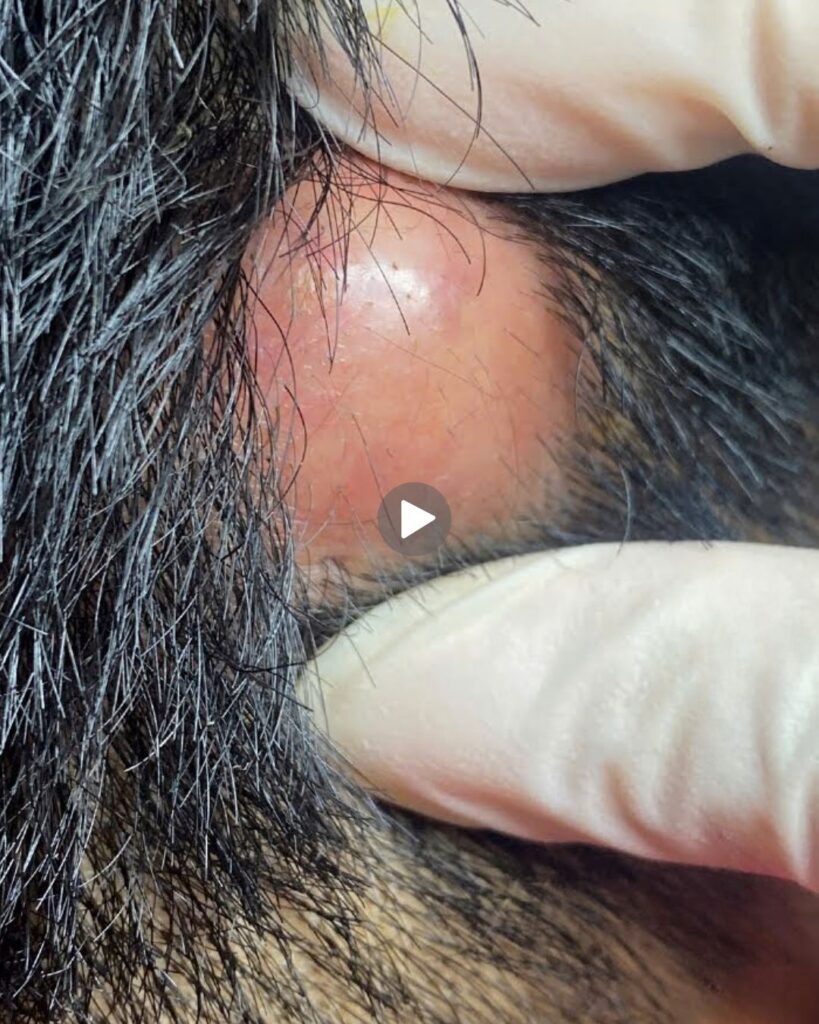
Scalp acne can appear as:
- Small red bumps
- Whiteheads or pustules
- Painful cysts
- Itchy or sore pimples
It is most commonly found along the hairline, crown of the head, back of the scalp, and near the neck.
Why Does Scalp Acne Happen?
1. Excess Oil Production
The scalp naturally produces oil to protect hair and skin. When oil production becomes excessive, it can clog pores and cause acne.
2. Sweat and Poor Hygiene
Sweat mixed with dirt and oil can block hair follicles, especially if the scalp is not washed properly after exercise or heavy sweating.
3. Hair Products
Hair gels, oils, pomades, sprays, and conditioners can clog pores if they are too heavy or not washed out properly. This is known as pomade acne.
4. Hormonal Changes
Hormonal imbalance, especially during puberty, pregnancy, or stress, can increase oil production and lead to scalp acne.
5. Bacterial or Fungal Growth
Bacteria and yeast naturally live on the scalp. When pores are blocked, these microbes multiply and cause inflammation and acne.
6. Wearing Tight Headwear
Helmets, caps, or scarves trap heat and sweat, creating an ideal environment for acne-causing bacteria.
7. Diet and Lifestyle
A diet high in sugar, oily foods, and processed items may worsen acne in some people. Stress and lack of sleep also contribute.
Symptoms of Scalp Acne
Common symptoms include:
- Painful or tender bumps on the scalp
- Redness and swelling
- Itching or burning sensation
- Pus-filled pimples
- Scalp sensitivity
- Hair thinning in severe cases
If acne becomes severe, cystic, or starts causing hair loss, medical treatment is recommended.
Types of Scalp Acne
1. Mild Scalp Acne
Small whiteheads or blackheads with little pain.
2. Inflammatory Scalp Acne
Red, swollen pimples that may hurt or itch.
3. Cystic Scalp Acne
Deep, painful lumps under the skin that may cause scarring.
4. Folliculitis
Inflammation of hair follicles caused by bacteria or fungus, often mistaken for acne.
How to Treat Scalp Acne Effectively
1. Medicated Shampoos
Use shampoos containing:
- Salicylic acid
- Ketoconazole
- Tea tree oil
- Zinc pyrithione
These ingredients help reduce oil, bacteria, and inflammation.
2. Gentle Scalp Cleansing
Wash your hair regularly with a mild, sulfate-free shampoo. Avoid excessive washing, which can irritate the scalp.
3. Topical Treatments
Dermatologists may recommend:
- Benzoyl peroxide
- Antibiotic lotions
- Retinoid-based treatments
Apply carefully to avoid hair dryness.
4. Oral Medications
For severe cases, doctors may prescribe:
- Oral antibiotics
- Antifungal medicines
- Isotretinoin (in extreme cases)
Natural Home Remedies for Scalp Acne
1. Tea Tree Oil
Has antibacterial properties. Mix a few drops with shampoo before use.
2. Aloe Vera Gel
Soothes irritation and reduces redness.
3. Apple Cider Vinegar
Helps balance scalp pH. Dilute with water before use.
4. Neem
Neem oil or neem-based shampoo helps fight bacteria naturally.
What to Avoid If You Have Scalp Acne
- Scratching or picking pimples
- Using heavy hair oils daily
- Sleeping with dirty hair
- Sharing combs or towels
- Using harsh chemical products
Prevention Tips for Scalp Acne
- Wash hair after sweating
- Use non-comedogenic hair products
- Clean pillowcases regularly
- Maintain a balanced diet
- Manage stress levels
- Avoid tight headwear for long periods
When to See a Doctor
Consult a dermatologist if:
- Acne is painful or spreading
- Pimples do not improve after treatment
- Hair loss or scarring appears
- Severe itching or infection develops
FAQs About Scalp Acne
Q1: Can scalp acne cause hair loss?
Mild scalp acne does not cause permanent hair loss, but severe or untreated cases may lead to temporary thinning.
Q2: Is scalp acne contagious?
No, scalp acne is not contagious.
Q3: How long does scalp acne take to heal?
With proper treatment, mild acne improves in 2–4 weeks.
Q4: Is dandruff related to scalp acne?
They are different conditions, but both can occur together.
Conclusion
Scalp acne is uncomfortable but treatable. By understanding why it happens and following effective treatment and prevention methods, you can maintain a healthy scalp and clear skin. Proper hygiene, suitable hair products, and timely treatment play a key role in managing scalp acne successfully.
