

Introduction
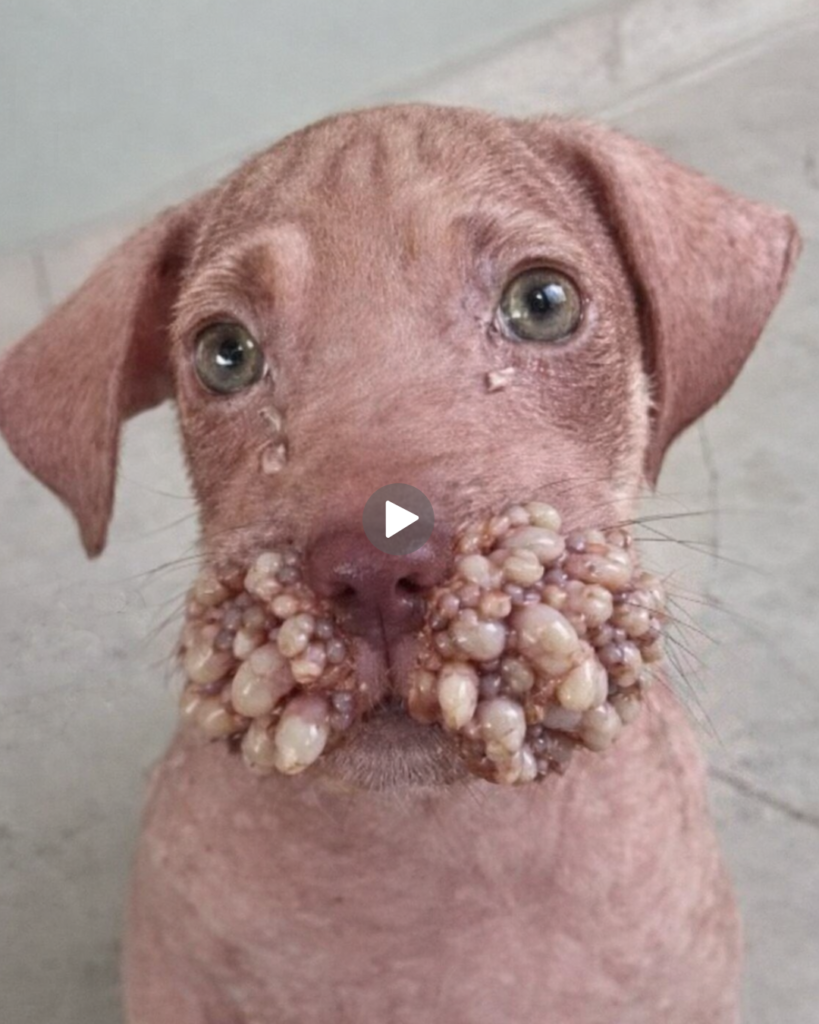
Every day, countless stray dogs suffer silently on the streets from injuries and infections that go untreated. One of the most painful and dangerous conditions for dogs is a mouth infection, which can prevent them from eating, drinking, or even surviving. This article shares a real-life experience of finding a stray dog with a severe mouth infection, caring for it over a month with proper cleaning and feeding, and finally releasing it back into its natural environment once it recovered.
This story is not just about rescue—it’s about responsibility, compassion, and how small actions can make a big difference in an animal’s life.
Discovering the Stray Dog in Need
The journey began with the sight of a weak, frightened stray dog showing clear signs of distress. The dog had difficulty eating, excessive drooling, and visible swelling around its mouth—common symptoms of a canine oral infection.
Common Signs of Mouth Infection in Dogs
- Bad breath (halitosis)
- Swollen gums or jaw
- Pus or discharge from the mouth
- Difficulty eating or refusing food
- Lethargy and weight loss
Ignoring these symptoms can lead to severe complications, including systemic infection or death. Immediate action was necessary.
Taking Responsibility: First Steps to Help
Instead of walking away, the decision was made to help. The dog was gently contained in a safe, quiet space to prevent further harm and reduce stress. Since professional veterinary help was not immediately accessible, basic wound care and hygiene became the first priority.
Initial Care Measures Taken
- Cleaning the mouth area carefully with mild antiseptic solution
- Removing visible debris and infected discharge
- Ensuring the dog had access to clean drinking water
- Keeping the environment clean and calm
These steps helped stabilize the dog and prevent the infection from worsening.
One Month of Dedicated Care and Feeding
Healing a mouth infection takes time, patience, and consistency. Over the course of one full month, daily care routines were followed to ensure recovery.
Daily Mouth Cleaning Routine
The dog’s mouth was gently cleaned once or twice a day to control bacteria and reduce inflammation. Cleanliness played a vital role in preventing reinfection.
Feeding a Dog With a Mouth Infection
Because chewing was painful, the dog was fed:
- Soft foods
- Soaked dry food
- Rice mixed with broth
- Easily digestible meals
Proper nutrition helped rebuild strength and supported the immune system.
Emotional Care and Trust Building
Stray dogs often fear humans due to past trauma. Through calm behavior, regular feeding, and gentle handling, the dog slowly began to trust again. Emotional recovery is just as important as physical healing.
Monitoring Recovery and Health Improvements
By the third week, noticeable improvements were visible:
- Reduced swelling around the mouth
- Improved appetite
- Increased energy and alertness
- Healthier coat and posture
By the end of the month, the mouth infection had healed significantly, and the dog was able to eat normally again.
The Ethical Decision: Release or Adoption?
One of the most important questions in animal rescue is whether to keep the animal or release it. In this case, the dog showed:
- Strong survival instincts
- Comfort navigating the streets
- No signs of wanting to remain indoors permanently
Since the dog was originally a stray and had recovered fully, the decision was made to release it back into a familiar environment, ensuring it had the best chance of continued survival.
Releasing the Dog Back Into the Community
The release was done responsibly:
- The dog was released in the same area it was found
- It was healthy, fed, and strong
- Clean water sources and food availability were nearby
Releasing a recovered stray dog respects its natural independence while ensuring it no longer suffers from illness.
Why Helping Stray Dogs Matters
Stray dogs are often misunderstood, but they play a role in local ecosystems and deserve compassion. Helping even one animal:
- Reduces suffering
- Prevents the spread of disease
- Encourages humane behavior in communities
- Inspires others to act
This experience proves that you don’t need to be a professional rescuer to save a life—just awareness and kindness.
What to Do If You Find a Dog With a Mouth Infection
If you ever encounter a similar situation, consider these steps:
Do:
- Approach calmly and cautiously
- Provide clean water
- Seek veterinary help if possible
- Clean visible wounds gently
- Feed soft, nutritious food
Don’t:
- Ignore visible infections
- Use harsh chemicals
- Force-feed the dog
- Release the dog before recovery
Even short-term care can dramatically improve a dog’s chances of survival.
Conclusion
Rescuing a stray dog with a mouth infection and caring for it for a month was a powerful reminder that compassion saves lives. Cleaning wounds, providing food, and offering patience allowed the dog to heal and return to its world stronger and healthier.
Every animal deserves a chance to live without pain. If more people took small steps to help stray animals, countless lives could be transformed.
