

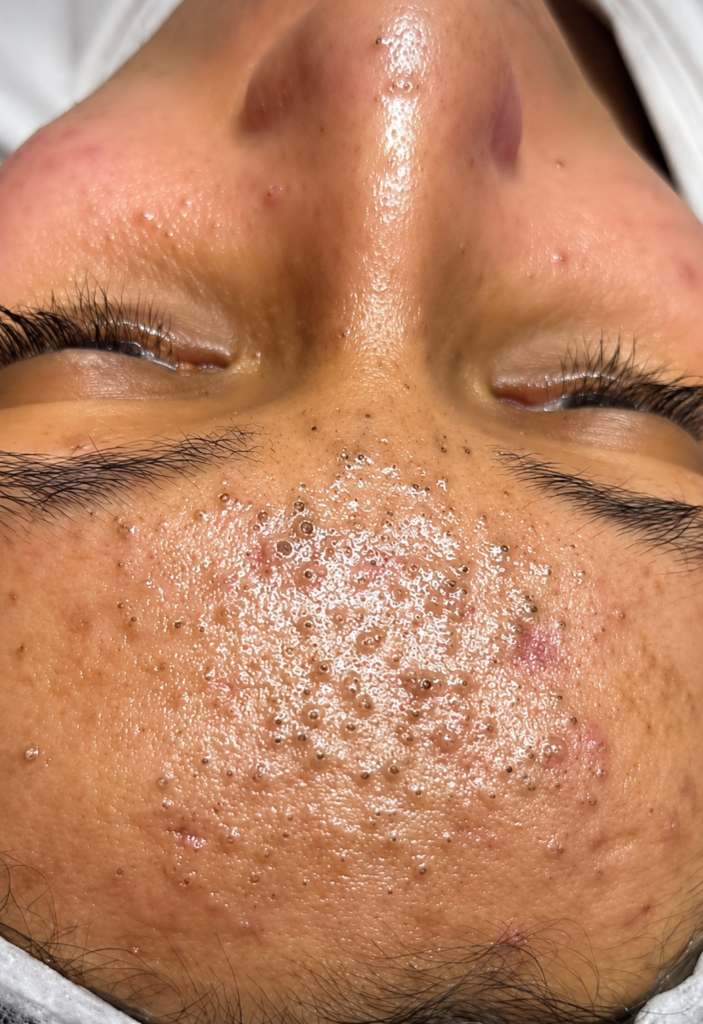
Acne can appear almost anywhere on the skin, including around the lips. When a pimple develops on or near the lips, it can become extremely painful, especially while eating, drinking, talking, or smiling. The lips are one of the most sensitive areas of the face, making lip acne more uncomfortable than acne found on other parts of the body.
If you experience pain every time food or drinks touch the affected area, you may be dealing with inflamed lip acne. Understanding the causes, symptoms, treatments, and prevention methods can help you manage the condition and reduce discomfort.
What Is Lip Acne?
Lip acne refers to pimples that develop around the lip line or near the mouth. These pimples occur when pores become clogged with oil, dead skin cells, bacteria, and debris. Once clogged, the pore can become inflamed and painful.
Lip acne may appear as:
- Red bumps
- Whiteheads
- Blackheads
- Pustules filled with pus
- Painful cystic acne
The area around the lips is constantly exposed to food, drinks, saliva, and cosmetic products, which can increase irritation and discomfort.
Why Does Lip Acne Hurt When Eating or Drinking?
Pain occurs because the skin around the lips contains many nerve endings. When acne becomes inflamed, these nerves become more sensitive.
Common reasons for pain include:
1. Friction From Food
Every bite of food causes movement of the lips. This repeated friction can irritate the acne lesion and increase pain.
2. Hot Foods and Drinks
Coffee, tea, soup, and spicy foods can aggravate inflamed skin and cause a burning sensation.
3. Salty or Acidic Foods
Foods such as citrus fruits, tomatoes, chips, and pickles may irritate sensitive acne around the mouth.
4. Swelling and Inflammation
Inflamed acne causes pressure beneath the skin. Eating and talking stretch the skin, making the pimple hurt even more.
5. Cracked Skin
Sometimes acne near the lips causes small cracks or irritation, making contact with food painful.
Common Causes of Painful Lip Acne
Several factors can contribute to acne around the lips.
Excess Oil Production
When sebaceous glands produce too much oil, pores can become blocked and develop acne.
Poor Lip Hygiene
Food particles left around the mouth can contribute to bacterial growth and clogged pores.
Lip Products
Lip balms, lipsticks, and glosses containing heavy oils may block pores and trigger breakouts.
Hormonal Changes
Hormonal fluctuations during puberty, menstruation, pregnancy, or stress can increase oil production and acne formation.
Touching the Face
Frequently touching the lips or face transfers bacteria and dirt onto the skin.
Stress
Stress can increase inflammation and worsen acne symptoms.
Certain Foods
Although food is not the direct cause of acne, some people notice breakouts after consuming high-sugar foods, dairy products, or highly processed meals.
Symptoms of Painful Lip Acne
The symptoms may vary depending on the severity of the breakout.
Common signs include:
- Redness around the lips
- Swelling
- Tenderness
- Pain while eating
- Pain while drinking
- Discomfort when smiling
- White or yellow pus-filled bumps
- Warmth around the affected area
In severe cases, cystic acne may develop deep beneath the skin and cause intense pain.
Home Remedies for Painful Lip Acne
Many mild cases of lip acne can improve with proper home care.
Warm Compress
Applying a warm compress can help reduce pain and encourage natural drainage.
Steps:
- Soak a clean cloth in warm water.
- Place it on the acne for 10 minutes.
- Repeat 2–3 times daily.
Ice Therapy
Ice can reduce swelling and temporarily numb pain.
Wrap ice in a clean cloth and apply for a few minutes at a time.
Gentle Cleansing
Wash your face twice daily using a mild cleanser.
Avoid scrubbing aggressively because it may worsen irritation.
Aloe Vera
Aloe vera contains soothing and anti-inflammatory properties.
Apply a small amount of pure aloe vera gel to the affected area.
Honey
Raw honey has antibacterial properties and may help calm inflamed skin.
Apply a thin layer for 15–20 minutes before rinsing.
Medical Treatments for Lip Acne
If home remedies do not work, medical treatments may help.
Benzoyl Peroxide
This ingredient helps reduce acne-causing bacteria and inflammation.
Use carefully near the lips to avoid irritation.
Salicylic Acid
Salicylic acid helps unclog pores and remove excess oil.
Topical Retinoids
Retinoids increase skin cell turnover and help prevent future breakouts.
Antibiotic Creams
Doctors may prescribe topical antibiotics if bacterial infection is suspected.
Cortisone Injections
For severe cystic acne, dermatologists may use cortisone injections to reduce inflammation quickly.
Foods to Avoid During Painful Lip Acne
Certain foods may increase discomfort while the acne heals.
Avoid or limit:
- Spicy foods
- Hot beverages
- Citrus fruits
- Tomato-based products
- Salty snacks
- Excessive sugar
Choosing softer and less irritating foods may reduce pain during recovery.
Foods That Support Healthy Skin
A healthy diet may help support skin healing.
Consider adding:
- Fresh vegetables
- Fruits rich in antioxidants
- Nuts and seeds
- Whole grains
- Lean proteins
- Plenty of water
These foods provide vitamins and minerals that support skin health.
Should You Pop a Lip Pimple?
No. Popping a pimple near the lips is generally not recommended.
Popping acne can:
- Increase inflammation
- Cause infection
- Delay healing
- Leave scars
- Spread bacteria
Instead, allow the pimple to heal naturally or seek professional treatment.
How to Prevent Lip Acne
Preventive measures can reduce future breakouts.
Keep the Area Clean
Wash your face regularly and remove food residue after meals.
Use Non-Comedogenic Products
Choose lip products labeled “non-comedogenic” to reduce pore blockage.
Avoid Touching Your Face
Keep hands away from the lips whenever possible.
Stay Hydrated
Drinking enough water supports overall skin health.
Change Pillowcases Frequently
Clean pillowcases reduce bacteria and oil buildup.
Maintain a Healthy Diet
A balanced diet supports healthy skin and may help reduce inflammation.
When to See a Doctor
Consult a healthcare professional if:
- The acne becomes extremely painful.
- Swelling spreads rapidly.
- Pus continues to increase.
- The area becomes infected.
- Home treatments do not help after several weeks.
- You experience frequent recurring breakouts.
A dermatologist can identify the underlying cause and recommend appropriate treatment.
Final Thoughts
Painful lip acne can make eating, drinking, talking, and smiling uncomfortable. The condition often develops due to clogged pores, inflammation, bacteria, hormonal changes, or irritation from cosmetic products. Fortunately, many cases improve with gentle skincare, warm compresses, healthy habits, and appropriate acne treatments.
Avoid picking or squeezing the pimple, keep the area clean, and seek medical advice if symptoms become severe. With proper care, most painful lip acne heals successfully, allowing you to return to eating and drinking comfortably.
