
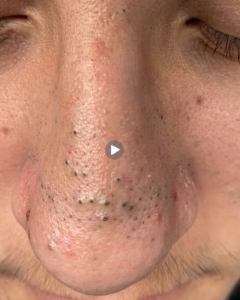

Of all the places to get a pimple, the nose might be the most annoying. It is right in the center of your face, it hurts when you touch it, and it seems to come back the moment you get rid of one. If you have been dealing with persistent nose acne — whether it is a single painful pimple on the tip, stubborn blackheads all over the nose, or clogged pores that never seem to fully clear — you are not alone.
The nose is actually one of the most acne-prone areas on the entire face, and for very specific biological reasons. This updated 2026 guide breaks down exactly why nose acne happens, which types you might be dealing with, and the best treatments — including the newest ingredients and techniques that dermatologists are recommending right now.
Why Is the Nose So Prone to Acne?
The nose is covered in a very high density of sebaceous (oil) glands — far more than most other areas of the face. This means your nose naturally produces more oil than your cheeks, forehead, or chin. All that extra oil creates the perfect environment for clogged pores and bacterial overgrowth.
Additionally, the pores on the nose tend to be visibly larger than elsewhere on the face, making them easier to clog — and easier to see when they are. The T-zone (forehead, nose, and chin) as a whole is the oiliest part of the face for most people, but the nose is ground zero.
Key factors that make nose skin especially vulnerable:
- High sebaceous gland density: More oil production per square centimeter than almost anywhere else on the face.
- Larger pore size: Easier for dead skin cells, oil, and debris to accumulate inside the follicle.
- Frequent touching: People unconsciously touch their nose dozens of times a day, transferring bacteria and oil constantly.
- Nose hair follicles: Plucking or trimming nose hairs incorrectly can cause folliculitis — an infection that mimics acne on the inside or tip of the nose.
Types of Nose Acne: What Are You Actually Dealing With?
Not every bump on the nose is the same. Identifying what you have is the most important first step — because the wrong treatment for the wrong type of acne can make things significantly worse.
1. Blackheads (Open Comedones)
The most common nose complaint. Blackheads form when a pore is clogged with oil and dead skin cells but remains open at the surface. The dark color is not dirt — it is the result of the clog oxidizing when exposed to air. The nose is the most common site for blackheads on the entire face.
2. Whiteheads (Closed Comedones)
Similar to blackheads but the pore is closed over by skin. They appear as small flesh-colored or white bumps. Common on the sides and tip of the nose.
3. Pustules and Papules
These are the classic red, inflamed pimples. Pustules have a visible white or yellow pus-filled center; papules are red, tender bumps without a head. Both result from bacterial activity inside a clogged pore. These are often painful on the nose because the skin there is tighter and has less room for swelling.
4. Sebaceous Filaments
This is a hugely misunderstood issue in 2026. Many people mistake sebaceous filaments for blackheads. Sebaceous filaments are thin, gray or tan hair-like structures that are a normal part of your pore anatomy — every pore has them. They help channel oil to the skin surface. They cannot be permanently removed because they grow back in 20–30 days. Aggressively trying to squeeze or extract them causes skin damage and post-inflammatory hyperpigmentation.
5. Acne Rosacea on the Nose
Rosacea is a separate skin condition from acne vulgaris, but it commonly affects the nose with redness, swelling, and pimple-like bumps. Unlike standard acne, rosacea is linked to enlarged blood vessels and immune responses rather than clogged pores. Treating rosacea-related nose breakouts with standard acne products (especially benzoyl peroxide) can worsen the condition. If your nose is consistently red and flushed alongside the breakouts, consult a dermatologist for proper diagnosis.
Most Common Causes of Nose Acne
Hormonal Fluctuations
Androgens (male hormones present in both men and women) directly stimulate oil gland activity. Hormonal surges during puberty, menstruation, pregnancy, or periods of high stress cause the sebaceous glands of the nose to produce oil in overdrive. This is why many people notice nose breakouts in the days before their period or during particularly stressful weeks.
Touching Your Nose
The average person touches their face — including the nose — 20 to 30 times per hour without realizing it. Hands carry bacteria and oil from every surface they contact. Every unconscious nose-touch deposits this onto your pores. This is one of the simplest and most impactful changes you can make.
Comedogenic Skincare and Makeup
Heavy foundations, pore-clogging primers, and thick moisturizers are a direct cause of nose congestion. Silicone-heavy products and certain oils (coconut oil, wheat germ oil) are notoriously comedogenic. Always check the comedogenic rating of your products, and switch to non-comedogenic, water-based formulas if you are prone to nose breakouts.
Diet: High-Glycemic Foods and Dairy
Emerging research continues to link high-glycemic diets (sugar, white bread, processed carbohydrates) with increased sebum production. Dairy products — especially skim milk — have also been associated with acne flare-ups in multiple studies, possibly due to their effect on insulin-like growth factor (IGF-1). If your nose acne is persistent despite good skincare, consider tracking your diet for a few weeks.
Wrong Nose Hair Removal Technique
Plucking nose hairs with tweezers breaks the follicle wall and creates an open wound inside the nose, which can become infected — causing a painful, deep pimple just inside or at the tip of the nose. Always use a nose hair trimmer rather than plucking. If a pimple develops inside the nostril and is extremely painful, see a doctor — nasal folliculitis can occasionally lead to more serious complications if left untreated.
Best Treatments for Nose Acne in 2026
Here are the most effective treatments currently recommended by dermatologists, updated with the latest 2026 formulations and approaches:
Salicylic Acid (BHA) — The #1 Ingredient for Nose Pores
Salicylic acid is oil-soluble, meaning it can penetrate inside sebum-filled pores rather than just working on the surface. At 0.5%–2%, it dissolves the dead skin cells and oil buildup causing blackheads and comedones. Use a salicylic acid cleanser, toner, or serum on the nose daily. In 2026, new formulations are combining salicylic acid with mandelic acid and willow bark extract for enhanced pore-clearing effects with less irritation.
Niacinamide — Reduces Oil and Inflammation
At 4%–10%, niacinamide visibly reduces sebum production, minimizes the appearance of enlarged pores, and calms redness and inflammation. It is extremely well-tolerated, even on sensitive skin. Apply a niacinamide serum across the T-zone every morning. Recent 2026 studies continue to confirm niacinamide’s effectiveness in reducing overall sebum output on the nose with consistent daily use over 8 weeks.
Adapalene (Retinoid) — Prevents Clogs at the Source
Adapalene 0.1% (available OTC under the brand Differin) is the most recommended retinoid for comedonal nose acne — blackheads and whiteheads in particular. It normalizes the rate of skin cell turnover, preventing dead cells from accumulating inside pores. Apply a pea-sized amount across the nose at night, 3–4 times per week to start, then build to nightly use. Expect an initial purging phase of 4–6 weeks before improvement becomes visible.
Azelaic Acid — Especially for Rosacea-Related Nose Acne
Azelaic acid (10%–20%) is uniquely effective for people whose nose acne overlaps with rosacea. It reduces inflammation, kills acne bacteria, and evens out skin tone without the irritation of benzoyl peroxide. Dermatologist-prescribed 20% azelaic acid is significantly more effective than OTC 10% versions for stubborn nose acne with a rosacea component.
Hydrocolloid Patches — For Active Pimples on the Nose
Hydrocolloid pimple patches have become one of the most recommended tools in 2026 for active nose pimples. They absorb excess fluid from pustules, create a protected healing environment, and physically prevent you from touching or picking the pimple. Newer microneedle patches (like ZitSticka) go a step further, delivering salicylic acid, niacinamide, and peptides directly into the pimple for faster healing.
Chemical Exfoliation 2–3x Per Week
Regular chemical exfoliation prevents the dead skin buildup that leads to clogged nose pores. Use a BHA (salicylic acid) exfoliant on the nose 2–3 times per week. For blackhead-prone noses, a 2% salicylic acid exfoliant applied after cleansing and left on for several minutes before rinsing can deliver powerful pore-clearing results.
What NOT to Do With Nose Acne
- Do NOT use pore strips regularly: Pore strips temporarily remove the top of sebaceous filaments, creating a dramatic-looking result — but they return within 2–3 weeks, and repeated use damages the delicate skin and weakens pores over time.
- Do NOT squeeze nose blackheads: Squeezing damages the follicle wall and causes post-inflammatory hyperpigmentation — dark marks that take months to fade.
- Do NOT pluck nose hairs: Use a trimmer. Plucking creates folliculitis — a painful, infected pimple inside the nostril.
- Do NOT apply thick oils or balms on the nose: Coconut oil, petroleum jelly, and heavy face oils are extremely comedogenic on nose skin.
- Do NOT over-exfoliate: Scrubbing the nose daily strips the skin barrier, triggering rebound oil production and worsening congestion.
Recommended Daily Routine for Nose Acne (2026)
Morning
- Salicylic acid cleanser (0.5%–1%) — gentle, twice daily
- Niacinamide serum (5%–10%) — apply across the nose and T-zone
- Oil-free, non-comedogenic moisturizer
- Non-comedogenic SPF 30+ sunscreen — mineral formula preferred
Evening
- Double cleanse (micellar water, then salicylic acid cleanser)
- BHA exfoliant on nose — 2 to 3 nights per week only
- Adapalene 0.1% on remaining nights — apply only to nose area
- Lightweight, oil-free moisturizer
- Hydrocolloid patch on any active pimples
How to Prevent Nose Acne from Coming Back
- Cleanse after sweating: Always wash your face after exercise or heavy sweating to prevent oil and sweat buildup in nose pores.
- Audit your products: Check every product you use — sunscreen, primer, foundation — for comedogenic ingredients. Silicones, heavy oils, and certain emollients are the most common culprits.
- Manage stress actively: Cortisol spikes from stress directly increase oil production in the T-zone. Regular exercise, good sleep, and stress management all visibly impact nose oiliness.
- Reduce dairy and sugar: If you have tried everything topically with limited results, try cutting high-glycemic foods and dairy for 6 weeks and track changes.
- Stop touching your nose: Genuinely one of the most impactful changes. Keep hands clean and develop awareness of how often you touch your face.
When to See a Dermatologist for Nose Acne
See a dermatologist if:
- Your nose acne is not improving after 8–12 weeks of consistent OTC treatment
- You have deep, painful nodular or cystic pimples on the nose
- Your nose is persistently red and flushed (possible rosacea)
- You develop a very painful pimple inside the nostril that is getting worse (folliculitis)
A dermatologist can prescribe stronger treatments such as topical antibiotics (clindamycin), prescription azelaic acid 20%, tretinoin, oral antibiotics, or brimonidine for rosacea-related nose redness.
Final Thoughts
Nose acne is stubborn — but it is also one of the most responsive types of acne to the right targeted treatment. The combination of salicylic acid for daily pore maintenance, niacinamide for oil control, and adapalene for long-term prevention is the most evidence-backed approach available in 2026. Pair this with smart lifestyle habits — no pore strips, no plucking, no touching — and most people see dramatic improvement within 6–10 weeks.
If your nose congestion keeps coming back no matter what you do, it is worth seeing a dermatologist. Sometimes the issue is hormonal or rosacea-related — and those require a completely different treatment path. Know what you are dealing with, treat it correctly, and your nose can stay clear for good.
Frequently Asked Questions
Why do I keep getting pimples on my nose?
The nose has more sebaceous glands than any other part of the face, making it naturally more oily. This excess oil, combined with dead skin cells and bacteria, clogs pores easily. Hormonal fluctuations, touching your nose frequently, comedogenic products, and diet can all make nose acne worse.
Are the black dots on my nose actually blackheads?
Not always. Many people have sebaceous filaments — natural, thin gray or tan structures in every pore that channel oil to the skin surface. These look like small dark dots similar to blackheads but are a normal part of nose anatomy. True blackheads are larger, darker, and can be reduced with salicylic acid. Sebaceous filaments cannot be permanently removed.
Do pore strips work for nose blackheads?
Pore strips temporarily pull out the top portion of blackheads and sebaceous filaments, giving an immediate visual result. However, the pores refill within 2–3 weeks, and regular use weakens the skin and can enlarge pores over time. Salicylic acid and retinoids deliver far better long-term results.
Can stress cause nose pimples?
Yes. Cortisol — the stress hormone — directly stimulates sebaceous glands to produce more oil. This is why many people notice nose breakouts during exams, work deadlines, or other stressful periods. Managing stress through sleep, exercise, and mindfulness has a documented positive effect on acne severity.
How long does it take to clear nose acne?
For mild blackhead congestion, consistent use of salicylic acid shows noticeable results in 4–6 weeks. For inflammatory pimples, adapalene or benzoyl peroxide typically takes 8–12 weeks of daily use. Hormonal or rosacea-related nose acne can take longer and may require prescription treatment.
Note: This article is for informational purposes only and reflects general dermatological guidance as of 2026. Always consult a licensed dermatologist for personalized diagnosis and treatment recommendations.
