

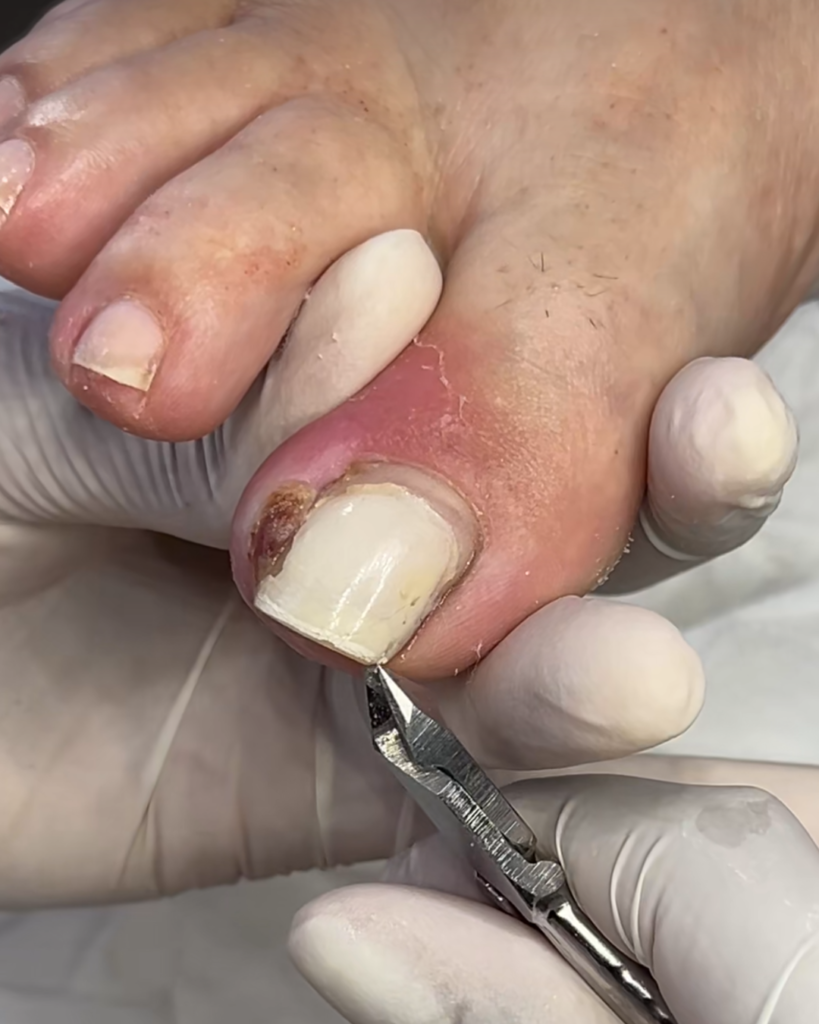
Nail polish is more than just a beauty accessory; it is a form of self-expression and a way to add color and style to your hands. From soft pastels to bold, vibrant shades, nail polish can transform the simplest look into something glamorous. However, as popular as it is, frequent use of nail polish can have unintended side effects on your nails and overall nail health. Understanding these side effects and learning how to control them can help you enjoy beautiful nails without compromising their strength or health.
Common Side Effects of Nail Polish
1. Nail Discoloration
One of the most common side effects of frequent nail polish use is nail discoloration. Nails can turn yellow, brown, or even develop a greenish tint, especially when dark-colored polishes are used without a base coat. The pigments in nail polish can seep into the nail plate, causing this staining effect. While usually harmless, discolored nails can appear unhealthy and reduce the natural beauty of your hands.
2. Nail Brittleness
Frequent exposure to nail polish and polish removers can make nails brittle and prone to breaking. Acetone-based nail polish removers, in particular, strip the natural oils from the nails, leading to dryness and fragility. Brittle nails often peel, crack, or split easily, which can be painful and aesthetically unpleasing.
3. Allergic Reactions
Some people may develop allergic reactions to certain chemicals present in nail polishes. Ingredients like formaldehyde, toluene, and dibutyl phthalate (DBP) are known to cause sensitivity in some individuals. Symptoms may include redness, swelling, itching around the nail area, or even a rash on the surrounding skin. In severe cases, inhalation of fumes during application can also lead to headaches or respiratory irritation.
4. Fungal Infections
Improper application or prolonged use of nail polish can create a breeding ground for fungal infections. Nails need to breathe, and keeping them covered with layers of polish for long periods may trap moisture, leading to fungal growth. Signs include nail thickening, discoloration, and an unpleasant odor.
5. Weakening of Nail Structure
Regular use of nail polish, especially gel or acrylic nails, can weaken the nail structure over time. Gel polish requires UV light to cure, which can damage the nail surface. Acrylic nails involve filing and chemical adhesives, which thin the natural nail plate and make it more vulnerable to damage.
How to Control Nail Polish Side Effects
Although nail polish side effects are common, they can be controlled with proper care and preventive measures. Here are effective ways to maintain healthy nails while enjoying polish:
1. Use a Protective Base Coat
Applying a base coat before your nail polish is essential. Base coats act as a protective layer between your natural nail and the colored polish, reducing the risk of staining. Look for a base coat that strengthens nails with ingredients like keratin, calcium, or vitamin E. This step not only protects the nail but also helps your polish last longer.
2. Limit Nail Polish Use
Frequent nail polish application can stress your nails. To prevent damage, give your nails a break every few weeks. Allowing your nails to remain natural and free from polish helps them regain moisture and strength. Even a few days without polish can make a significant difference.
3. Choose Non-Toxic Nail Polishes
Many modern nail polishes are labeled as “5-free,” “7-free,” or “10-free”, indicating they are free from harmful chemicals like formaldehyde, toluene, and DBP. Switching to non-toxic, cruelty-free, or organic nail polishes can minimize the risk of allergic reactions and other side effects.
4. Moisturize Nails Regularly
Dry nails are more prone to brittleness and peeling. Regularly moisturize your nails and cuticles with natural oils such as jojoba oil, almond oil, or vitamin E oil. Massaging oil into your nails improves blood circulation, promotes growth, and keeps the nails flexible.
5. Avoid Overuse of Nail Polish Removers
Acetone-based removers are efficient but harsh. Limit their use and opt for acetone-free removers whenever possible. These gentler alternatives remove polish without excessively drying out your nails. Always follow up with a moisturizer after removal.
6. Practice Proper Nail Hygiene
Maintaining proper nail hygiene is crucial for preventing fungal infections and other complications. Keep your nails clean and dry, avoid biting your nails, and regularly trim them to prevent breakage. Use clean tools for manicures and avoid sharing nail products to reduce the risk of infections.
7. Incorporate Nail Strengthening Treatments
Nail strengthening treatments such as hardening polishes or protein-based nail treatments can improve nail resilience. Ingredients like keratin, calcium, and biotin in these treatments help repair damaged nails and promote healthy growth. Applying these treatments before or after nail polish can prevent side effects like brittleness.
8. Protect Nails from UV Damage
If you use gel polishes, which require UV light for curing, consider applying a broad-spectrum sunscreen or using UV-protective gloves during exposure. Limiting UV exposure reduces the risk of nail thinning, discoloration, and long-term damage to the surrounding skin.
9. Maintain a Healthy Diet
Healthy nails start from within. Eating a diet rich in vitamins and minerals such as biotin, zinc, iron, and vitamin E supports nail health. Foods like eggs, nuts, spinach, and salmon can help strengthen nails and reduce the impact of external stressors like nail polish.
10. Remove Nail Polish Properly
Improper removal of nail polish can cause peeling and damage. Always soak nails in remover for the recommended time rather than scraping them off. Avoid harsh scraping or peeling, as this removes the top layers of the nail and weakens it.
Special Tips for Sensitive Nails
- Patch Test: If you have sensitive skin or nails, perform a patch test with new nail polish to check for allergic reactions.
- Hydration: Drink plenty of water to keep nails hydrated and prevent brittleness.
- Cuticle Care: Avoid cutting cuticles excessively; instead, gently push them back to prevent infections.
- Professional Manicure: Occasionally, let professionals handle gel or acrylic nails to ensure proper application and removal.
Natural Alternatives to Nail Polish
If you are concerned about side effects but still want colorful nails, natural alternatives can be considered:
- Henna-Based Nail Stains: Henna can temporarily stain nails without chemicals.
- Vegetable Dyes: Beetroot or carrot juice can be applied for a subtle tint.
- Nail Buffing: Polishing nails with a buffer creates a glossy look without chemicals.
These alternatives are less damaging and can be used between regular nail polish applications to give nails a break.
When to See a Specialist
While most nail polish side effects are manageable, you should consult a dermatologist or healthcare professional if you notice:
- Persistent yellow or green discoloration
- Thickened, brittle nails that break easily
- Pain, swelling, or redness around the nails
- Signs of fungal or bacterial infections
Early intervention can prevent long-term damage and maintain nail health.
Conclusion
Nail polish is a fantastic way to express style and creativity, but frequent or improper use can cause side effects like discoloration, brittleness, allergic reactions, fungal infections, and weakened nails. Fortunately, most of these issues can be controlled with proper nail care, protective products, and healthy habits. Using a base coat, choosing non-toxic polishes, moisturizing regularly, and taking breaks from polish are simple yet effective ways to maintain beautiful, healthy nails.
By combining good nail hygiene with nutritional support and mindful nail care practices, you can enjoy the beauty and fun of nail polish without compromising your nails’ natural strength and health. Remember, your nails are a reflection of your overall well-being, so treat them with care, and they will continue to complement your style for years to come.
