

Introduction
Nail polish is a popular beauty product used by millions of people around the world to enhance the appearance of their nails. From bright colors to glossy finishes, it adds charm and confidence. However, frequent use of nail polish—especially low-quality or chemical-heavy products—can sometimes lead to nail infections.
Many people ignore early warning signs, thinking it’s just minor damage. But in reality, nail polish-related infections can become serious if left untreated. This article will guide you through the causes, symptoms, treatments, and preventive measures to protect your nails while still enjoying your favorite nail colors.
What Is a Nail Infection?
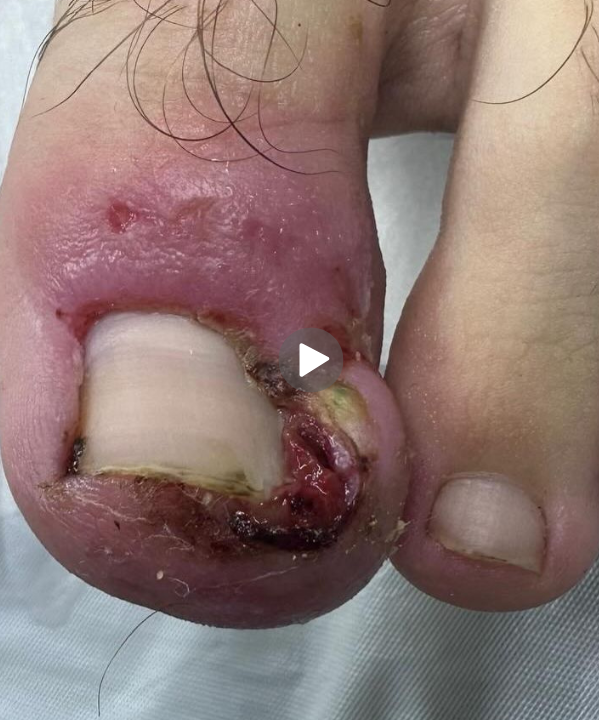
A nail infection occurs when bacteria, fungi, or other microorganisms invade the nail or surrounding skin. These infections can affect both fingernails and toenails, causing discomfort, discoloration, and even pain.
When nail polish is applied frequently without proper nail care, it can create the perfect environment for infection to grow—especially when moisture gets trapped under the polish.
How Nail Polish Causes Infection
1. Chemical Damage
Many nail polishes contain harsh chemicals such as:
- Formaldehyde
- Toluene
- Dibutyl phthalate (DBP)
These chemicals can weaken the nail structure over time, making nails more prone to infection.
2. Trapped Moisture
When you apply nail polish on slightly wet nails or do not allow nails to breathe, moisture gets trapped. This creates a breeding ground for bacteria and fungi.
3. Poor Hygiene
Using old nail polish, dirty brushes, or sharing nail tools can introduce harmful bacteria directly to your nails.
4. Continuous Use Without Breaks
Constantly wearing nail polish without giving your nails a break prevents them from recovering and staying healthy.
5. Low-Quality Products
Cheap or expired nail polishes may contain harmful substances or bacteria that increase the risk of infection.
Common Symptoms of Nail Infection
Recognizing symptoms early can help you treat the infection before it becomes severe.
1. Discoloration
Nails may turn yellow, green, or brown.
2. Thickened Nails
The nail may become thicker than usual.
3. Brittle or Cracked Nails
Weak nails that break easily.
4. Pain or Tenderness
You may feel pain when touching or pressing the nail.
5. Foul Smell
A bad odor coming from the nail area.
6. Swelling Around the Nail
Skin around the nail may become red and swollen.
Types of Nail Infections
1. Fungal Infection (Onychomycosis)
The most common type caused by fungi, especially in moist conditions.
2. Bacterial Infection
Often caused by bacteria entering through small cuts or damaged nails.
3. Yeast Infection
Common in people who frequently keep their nails wet.
Home Remedies for Nail Infection
If the infection is mild, you can try natural treatments at home.
1. Tea Tree Oil
- Apply a few drops daily.
- Has strong antifungal and antibacterial properties.
2. Apple Cider Vinegar
- Mix equal parts water and vinegar.
- Soak nails for 15–20 minutes daily.
3. Garlic Paste
- Apply crushed garlic to the infected nail.
- Helps fight infection naturally.
4. Coconut Oil
- Moisturizes and fights fungus.
- Apply twice daily.
5. Warm Salt Water Soak
- Reduces swelling and kills bacteria.
Medical Treatment Options
If home remedies don’t work, medical treatment may be necessary.
1. Antifungal Creams
Applied directly to the nail.
2. Oral Medications
Doctors may prescribe antifungal pills for severe infections.
3. Nail Removal (In Severe Cases)
In extreme cases, the infected nail may need to be removed.
4. Antibiotics
Used if the infection is bacterial.
How to Prevent Nail Infections
Prevention is always better than cure. Follow these tips to keep your nails healthy:
1. Give Nails a Break
Avoid continuous use of nail polish. Let nails breathe for a few days.
2. Use High-Quality Products
Choose trusted brands with fewer harmful chemicals.
3. Keep Nails Clean and Dry
Moisture is the main cause of infection.
4. Avoid Sharing Nail Tools
Always use your own nail care tools.
5. Remove Nail Polish Properly
Use gentle removers and avoid harsh chemicals.
6. Check Expiry Dates
Never use expired nail polish.
7. Moisturize Your Nails
Use cuticle oil or natural oils to keep nails healthy.
Do’s and Don’ts
Do’s:
- Clean nails before applying polish
- Use base coat
- Take breaks from nail polish
- Maintain hygiene
Don’ts:
- Don’t apply polish on damaged nails
- Don’t ignore symptoms
- Don’t use low-quality products
- Don’t keep polish for too long
When to See a Doctor
You should consult a doctor if:
- Infection spreads
- Severe pain occurs
- Nail starts separating from the skin
- No improvement after home treatment
Conclusion
Nail polish enhances beauty, but improper use can lead to infections that damage your nails and cause discomfort. By understanding the causes, recognizing symptoms early, and following proper nail care practices, you can enjoy beautiful nails without risking your health.
Always prioritize hygiene, choose quality products, and give your nails the care they deserve. Healthy nails are not just about appearance—they are a sign of overall wellness.
