
Introduction
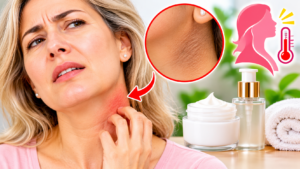
Menopause brings several changes to the body, and your skin is no exception. Many women notice that their skin becomes drier, more sensitive, and sometimes unusually itchy during this stage of life. You may experience tightness after washing your face, rough patches on your arms, or persistent itching around your neck, chest, and legs.
These changes can be uncomfortable and frustrating, especially if you previously had skin that was easy to manage.
One of the main reasons for itchy skin during menopause is the decline in oestrogen levels. This hormone plays an important role in maintaining skin hydration, elasticity, and overall skin health. As oestrogen levels decrease, the skin may become less effective at retaining moisture, making dryness and irritation more likely.
The good news is that a few simple skincare changes can help improve comfort and support your skin barrier.
In this guide, we will explore the common causes of itchy skin during menopause, how hormonal changes affect your skin, the best ways to relieve dryness, and how to create a gentle skincare routine.
What Causes Itchy Skin During Menopause?
Itchy skin during menopause is commonly associated with hormonal changes, particularly declining oestrogen levels.
Oestrogen helps support the skin’s natural moisture balance and overall structure. When levels decrease, the skin may become drier and less comfortable.
This can make everyday factors such as hot showers, cold weather, harsh cleansers, and fragranced skincare products more irritating than before.
You may notice several changes, including:
- Dry and rough skin
- Persistent itching
- Increased skin sensitivity
- Tightness after cleansing
- Flaky patches
- Reduced skin comfort
- A feeling of irritation after using familiar skincare products
These changes can affect different areas of the body. Some women experience itchy facial skin, while others notice discomfort around their neck, chest, arms, shins, or legs.
Understanding the connection between menopause and skin health can help you choose better skincare products and avoid unnecessary irritation.
Youtube Video
1. Declining Oestrogen Levels
One of the main causes of itchy skin during menopause is declining oestrogen.
Oestrogen contributes to several aspects of skin health, including hydration and the maintenance of the skin barrier. As hormone levels fall, the skin may struggle to retain moisture as effectively as before.
This can lead to dryness, roughness, and increased sensitivity.
The skin barrier also plays an important role in protecting the skin from external irritants. When it becomes less effective, everyday environmental factors may trigger discomfort more easily.
Common Symptoms
You may experience:
- Dryness around the face and neck
- Itching on the arms and legs
- Tight skin after washing
- Increased sensitivity to skincare products
- Rough or flaky patches
How to Manage It
The best approach is to focus on hydration and barrier support.
Choose gentle cleansers and moisturizers that help maintain skin comfort. Avoid harsh exfoliation and products that leave your skin feeling tight.
Using a moisturizer regularly can help reduce moisture loss and improve the appearance of dry skin.
2. Dry Skin and Moisture Loss
Dryness is another common reason women experience itchy skin during menopause.
When the skin loses moisture, it may become rough, tight, flaky, and uncomfortable. Dry skin can also become more sensitive to temperature changes and everyday skincare products.
Hot showers, cold weather, indoor heating, and excessive cleansing can make the problem worse.
Signs of Menopausal Dry Skin
Common signs include:
- Flaky skin
- Rough texture
- Tightness after bathing
- Mild itching
- Visible dry patches
- Increased sensitivity
Sometimes, dryness becomes more noticeable during colder months when indoor heating and low humidity affect the skin.
How to Relieve Dry Skin
A consistent moisturizing routine can help improve skin comfort.
Consider these simple habits:
- Use a gentle, non-stripping cleanser.
- Avoid very hot showers.
- Apply moisturizer after bathing.
- Choose creams instead of very lightweight lotions if your skin is particularly dry.
- Avoid excessive washing and scrubbing.
Moisturizing immediately after washing helps trap moisture in the skin and supports a healthier skin barrier.
3. A Weakened Skin Barrier
The skin barrier is the outer protective layer of your skin. It helps retain moisture and protects against environmental irritants.
During menopause, hormonal changes may make the skin more vulnerable to dryness and irritation.
When the skin barrier is not functioning well, water can escape more easily, while external irritants may cause discomfort.
This can create a cycle of dryness, itching, and further irritation.
Symptoms of a Damaged Skin Barrier
You may notice:
- Persistent dryness
- Redness or irritation
- Burning sensations
- Increased sensitivity
- Rough skin texture
- Discomfort after applying skincare products
How to Support Your Skin Barrier
A barrier-supportive skincare routine does not need to be complicated.
Choose gentle products and avoid introducing several active ingredients at once.
Look for moisturizers that help maintain hydration and support skin comfort. Ingredients such as ceramides and glycerin may be useful additions to a moisturizing routine.
If your skin is already irritated, temporarily reduce strong exfoliating products and unnecessary treatment layers.
4. Hot Showers and Environmental Changes
Environmental factors can make menopausal skin itching worse.
Hot water may remove some of the skin’s natural oils, increasing dryness. Cold weather, wind, and indoor heating can also reduce skin comfort.
You may notice that your skin feels especially itchy after a long, hot shower or when spending time in a dry indoor environment.
Common Environmental Triggers
- Very hot water
- Cold and windy weather
- Central heating
- Dry indoor air
- Frequent washing
- Harsh soaps and cleansers
Prevention Tips
Small adjustments can make a difference.
Try taking shorter showers with lukewarm water instead of very hot water. Use gentle cleansing products and moisturize immediately afterward.
If indoor heating makes your skin feel uncomfortable, maintaining a more comfortable indoor humidity level may also help.
The goal is to reduce unnecessary stress on your skin and prevent further moisture loss.
5. Fragranced Products and Over-Exfoliation
Skincare products that previously worked well may suddenly feel irritating during menopause.
As skin becomes drier and more sensitive, strong fragrances, harsh cleansers, and excessive exfoliation may cause discomfort.
Using too many active ingredients can also make an already weakened skin barrier feel worse.
Products That May Trigger Irritation
Pay attention to:
- Strongly fragranced moisturizers
- Harsh facial cleansers
- Frequent exfoliating acids
- Aggressive scrubs
- Multiple treatment serums
- Products that leave your skin feeling tight
How to Avoid Irritation
Choose fragrance-free products when possible, especially if your skin is sensitive.
Avoid changing your entire skincare routine at once. Introduce new products gradually and give your skin time to adjust.
If your skin is irritated, simplify your routine to gentle cleansing, moisturizing, and sun protection.
How to Soothe Itchy Skin During Menopause Naturally
Managing itchy skin does not require using numerous skincare products. In many cases, a simple and consistent routine is more helpful.
Here are some practical ways to improve skin comfort.
1. Use a Gentle Facial Cleanser
Choose a cleanser that removes dirt and impurities without stripping the skin’s natural oils.
Avoid products that leave your face feeling squeaky or tight after washing.
For mature skin, a gentle cleansing formula may be more comfortable than a strong foaming cleanser.
You can explore Gentle Face Wash for a simple cleansing option.
2. Apply Moisturizer Regularly
Moisturizing is one of the most important steps for managing menopausal dryness.
Apply a suitable moisturizer after washing your face or bathing while your skin is still slightly damp.
For sensitive or dry skin, consider a gentle moisturizing cream.
You can explore:
- Gentle Day Face Cream
- Rejuvenate Day Natural Moisturiser
Choose a formula according to your skin’s needs and preferences.
3. Try Facial Oils for Additional Nourishment
Facial oils may help soften dry skin and provide additional nourishment.
They can be useful when your skin still feels tight or uncomfortable after applying moisturizer.
Popular options include:
Rosehip Oil: Rosehip oil is commonly used in skincare routines for dry and mature skin. It can help soften the appearance of rough skin.
Product option: Certified Organic Rosehip Oil.
Jojoba Oil: Jojoba oil is a lighter option that can be used in morning or evening skincare routines.
Product option: Organic Jojoba Oil.
Apply a few drops over your moisturizer if your skin needs extra nourishment.
Remember that facial oils are optional. If they cause irritation, discontinue use.
4. Choose a Nourishing Night Cream
Nighttime is a convenient opportunity to use a richer moisturizer, especially if your skin feels particularly dry.
A suitable night cream can help keep the skin comfortable while you sleep.
Consider Rejuvenate Night Cream if you prefer a richer nighttime moisturizing product.
Avoid applying too many products at once. Start with the basics and gradually adjust your routine according to how your skin responds.
Simple Skincare Routine for Menopause Itchy Skin
A simple skincare routine can help reduce unnecessary irritation and maintain hydration.
Morning Skincare Routine
Step 1: Gentle Cleanser
Wash your face using a mild cleanser. Avoid harsh foaming products if your skin feels dry.
Step 2: Moisturizer
Apply a gentle moisturizer to help maintain hydration and skin comfort.
Step 3: Sunscreen
Finish with broad-spectrum SPF 30 or higher to protect exposed skin from UV damage.
Evening Skincare Routine
Step 1: Cleanse Gently
Remove makeup, sunscreen, and daily impurities without scrubbing your face.
Step 2: Apply Moisturizer
Use a nourishing moisturizer while your skin is still slightly damp.
Step 3: Add Facial Oil if Needed
If your skin remains dry, apply a few drops of a suitable facial oil over your moisturizer.
This routine focuses on comfort rather than complicated treatment steps.
What Should You Avoid If You Have Itchy Skin During Menopause?
When your skin is already dry and irritated, certain habits may make the problem worse.
Avoid the following:
1. Over-Cleansing: Washing your face too frequently can remove natural oils and increase dryness.
2. Very Hot Showers: Hot water may worsen moisture loss and leave your skin feeling uncomfortable.
3. Excessive Exfoliation: Rough or flaky skin does not always need stronger exfoliation. It may need more hydration instead.
4. Fragrance-Heavy Products: Strongly scented skincare products may irritate sensitive skin.
5. Constantly Changing Products: Switching products frequently makes it difficult to identify what works for your skin.
6. Harsh Scrubbing: Scrubbing itchy skin can increase irritation and damage the protective barrier.
Instead, focus on gentle cleansing, consistent moisturizing, and reducing unnecessary irritation.
Can Menopause Cause Itchy Skin All Over the Body?
Yes. Menopause-related skin dryness and itching can affect different parts of the body.
Some women mainly notice itching on their face because it is regularly exposed to weather, cleansing products, and active skincare ingredients.
Others experience dryness around the neck, chest, arms, shins, and torso.
Body skin may also become uncomfortable, especially during colder weather or when exposed to dry indoor air.
The same skincare principles apply to the body:
- Use gentle body cleansers.
- Avoid very hot showers.
- Apply moisturizer immediately after bathing.
- Choose fragrance-free products when possible.
- Avoid excessive scrubbing.
Regular moisturizing can help improve skin comfort over time.
When Should You See a Doctor About Itchy Skin?
Although dry and itchy skin can be associated with menopause, not every case of itching is caused by hormonal changes.
Other possible causes include eczema, allergies, irritation, and certain medical conditions.
You should speak with a healthcare professional if:
- Itching is severe or getting worse.
- You develop a persistent or unusual rash.
- Your skin becomes broken or shows signs of infection.
- Itching regularly interrupts your sleep.
- Symptoms begin suddenly without an obvious reason.
- You are concerned that another health condition may be responsible.
Do not assume that persistent or widespread itching is simply a normal part of menopause. A proper medical evaluation can help identify the underlying cause.
Frequently Asked Questions (FAQs)
1. Does menopause cause itchy skin?
Yes. Menopause can contribute to dry and itchy skin because declining oestrogen levels may affect moisture retention and skin-barrier function.
2. Is itchy skin a common symptom of menopause?
Dry and itchy skin is a recognised menopause symptom. However, environmental factors, allergies, eczema, and other medical conditions can also cause itching.
3. What is the best cream for itchy skin during menopause?
A gentle, fragrance-free moisturizer that supports the skin barrier is a good starting point. Look for moisturizing ingredients such as glycerin and ceramides, especially if your skin feels dry and sensitive.
4. How can I stop itchy skin during menopause naturally?
Use gentle cleansers, take lukewarm showers, moisturize regularly, avoid harsh exfoliation, and reduce exposure to irritating products.
5. Can facial oils help menopausal itchy skin?
Facial oils such as rosehip and jojoba oil may help soften dry skin and provide additional nourishment. Apply a small amount over moisturizer if your skin tolerates it.
6. Why does my face feel itchy after washing during menopause?
Declining oestrogen levels may make skin drier and more sensitive. Harsh cleansers and hot water can increase moisture loss and make your face feel tight or itchy.
7. How long does itchy skin last during menopause?
It varies from person to person. Some women experience occasional itching, while others experience ongoing dryness and discomfort. A consistent moisturizing routine may help, but persistent symptoms should be evaluated by a healthcare professional.
8. Can itchy skin during menopause affect the whole body?
Yes. Itching may affect the face, neck, chest, arms, legs, and other areas. Body-wide or persistent itching should not automatically be attributed to menopause.
Conclusion
Itchy skin during menopause is often connected to declining oestrogen levels, which can affect skin hydration and the protective skin barrier. As a result, your skin may become drier, more sensitive, and more easily irritated.
The best approach is to keep your skincare routine gentle and consistent. Use mild cleansers, apply moisturizer regularly, avoid very hot showers, and reduce unnecessary exfoliation.
Facial oils may provide additional nourishment when your skin feels particularly dry, while a richer night cream can help maintain comfort overnight.
Most importantly, remember that persistent or severe itching may have causes other than menopause. If symptoms continue, become worse, or occur with an unusual rash, seek medical advice.
With the right skincare habits and appropriate medical guidance, you can support your skin barrier and maintain healthier, more comfortable skin during menopause.
Medical Disclaimer: This article is for educational purposes only and does not replace professional medical advice, diagnosis, or treatment.