

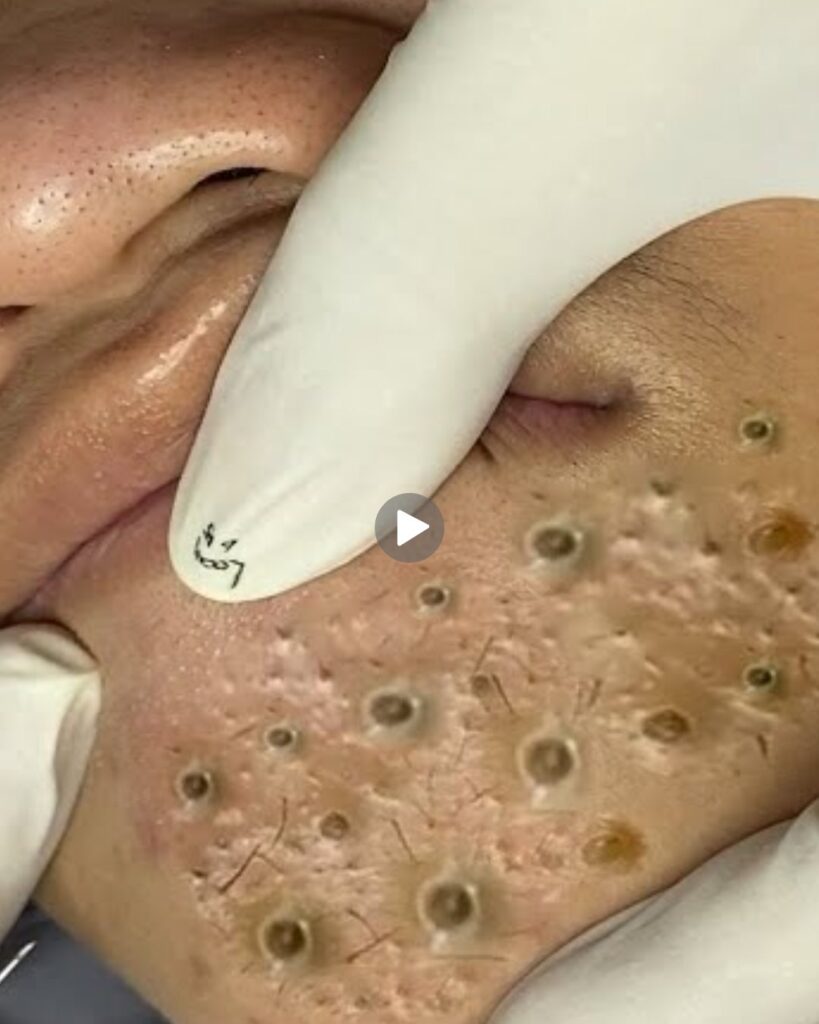
Acne is one of the most common skin problems worldwide, affecting millions of people every year. While many are familiar with mild acne or blackheads, inflammatory acne is a more severe form that can be painful, red, and sometimes leave scars. Understanding its causes, symptoms, and treatment options is essential for maintaining healthy skin and preventing long-term damage.
What is Inflammatory Acne?
Inflammatory acne occurs when hair follicles become clogged with excess oil (sebum), dead skin cells, and bacteria. Unlike non-inflammatory acne (like blackheads and whiteheads), inflammatory acne appears as red, swollen, and sometimes painful bumps on the skin. It includes pustules, papules, nodules, and cysts.
- Papules are small, red, and tender bumps without pus.
- Pustules are red bumps with a white or yellow center filled with pus.
- Nodules are larger, hard, and painful lumps deep under the skin.
- Cysts are severe, pus-filled lumps that can lead to scarring if untreated.
Inflammatory acne commonly appears on the face, back, chest, and shoulders, areas with higher oil production.
Causes of Inflammatory Acne
Several factors contribute to inflammatory acne. These include:
- Excess Oil Production: Overactive sebaceous glands produce more oil, which can clog pores.
- Bacterial Infection: Propionibacterium acnes (P. acnes) bacteria grow in clogged pores, triggering inflammation.
- Hormonal Changes: Puberty, menstruation, pregnancy, and hormonal disorders can increase oil production.
- Dietary Factors: Diets high in sugar, dairy, and processed foods may worsen acne for some individuals.
- Stress: Stress triggers hormonal changes that can exacerbate acne.
- Genetics: A family history of severe acne increases susceptibility.
- Medications: Certain drugs, including steroids and some hormonal treatments, can trigger acne.
Symptoms of Inflammatory Acne
The symptoms may vary depending on the severity:
- Red, swollen, and tender bumps
- Pustules with white or yellow pus
- Painful nodules or cysts under the skin
- Skin irritation and redness around the affected area
- Potential scarring if left untreated
Effective Treatments for Inflammatory Acne
Inflammatory acne requires consistent care and treatment. Here are the most effective methods:
1. Topical Treatments
- Benzoyl Peroxide: Kills acne-causing bacteria and reduces inflammation.
- Salicylic Acid: Helps unclog pores and prevent new acne formation.
- Retinoids (Tretinoin, Adapalene): Promote cell turnover and prevent clogged pores.
- Antibiotic Creams: Reduce bacterial growth and inflammation.
2. Oral Medications
For moderate to severe cases:
- Oral Antibiotics (Doxycycline, Minocycline): Reduce bacteria and inflammation.
- Oral Retinoids (Isotretinoin): Highly effective for severe or cystic acne but require medical supervision.
- Hormonal Therapy: Birth control pills or anti-androgen medications for women with hormone-related acne.
3. Natural Remedies
- Tea Tree Oil: Has antibacterial properties and may reduce mild inflammation.
- Aloe Vera Gel: Soothes irritated skin and reduces redness.
- Green Tea Extract: Applied topically or consumed for anti-inflammatory effects.
- Honey & Turmeric Mask: Natural anti-inflammatory and antibacterial agents.
4. Lifestyle Modifications
- Wash your face gently twice daily with a mild cleanser.
- Avoid harsh scrubbing or popping pimples.
- Eat a balanced diet rich in fruits, vegetables, and omega-3 fatty acids.
- Manage stress through meditation, yoga, or regular exercise.
- Use non-comedogenic skincare products to prevent clogged pores.
5. Professional Treatments
- Chemical Peels: Help remove dead skin cells and unclog pores.
- Laser Therapy: Reduces inflammation and treats acne scars.
- Drainage of Cysts or Nodules: Performed by dermatologists to prevent scarring.
Preventing Inflammatory Acne
Prevention is better than cure. Here are some tips:
- Keep your skin clean but avoid over-washing.
- Use products suited for oily or acne-prone skin.
- Avoid touching your face frequently.
- Maintain a healthy diet and hydration.
- Consult a dermatologist at early signs of inflammatory acne to prevent scarring.
When to See a Dermatologist
If acne becomes painful, cystic, or leaves scars, professional treatment is necessary. Early intervention prevents permanent damage and ensures proper management of severe acne.
Conclusion
Inflammatory acne is more than just a cosmetic concern. Left untreated, it can cause pain, discomfort, and permanent scarring. Combining proper skincare, lifestyle changes, and medical treatments can effectively manage inflammatory acne and restore healthy, clear skin. Remember, consistency is key, and consulting a dermatologist can provide the best personalized care.
SEO Meta Title:
Inflammatory Acne Treatment: Causes, Symptoms & Effective Solutions
SEO Meta Description:
Learn about inflammatory acne, its causes, symptoms, and effective treatments. Discover natural remedies, medical solutions, and tips to prevent painful acne and scarring.
Agar aap chaho, main is article ka 1200-word full expanded version bhi likh sakta hu jisme har treatment, remedy, aur example detail mein ho, bilkul AdSense-approval ke liye ready.
Kya main ye full version bhi bana du?
