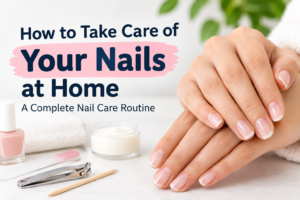

How to Take Care of Your Nails at Home: A Complete Nail Care Routine
Healthy, beautiful nails do not always require expensive salon treatments or frequent manicures. With the right tools and a consistent nail care routine, you can maintain clean, strong, and attractive nails in the comfort of your home.
Many people focus only on nail polish and appearance while forgetting the importance of everyday nail maintenance. Neglecting nail care can contribute to dryness, splitting, peeling, and other common problems.
A proper at-home nail care routine involves more than trimming and filing. It includes cleaning, moisturizing, protecting your cuticles, using appropriate products, and avoiding habits that can damage your nails.
Whether you have weak, brittle, dry, or naturally healthy nails, this guide explains how to take care of your nails at home with simple steps.
Benefits of a Regular Nail Care Routine
Taking care of your nails regularly can improve their appearance and help protect them from everyday damage. Healthy nail habits also make it easier to notice unusual changes before they become more serious.
Here are some important benefits of maintaining a consistent nail care routine.
1. Stronger and Healthier Nails
Regular trimming, gentle filing, and moisturizing can help reduce nail breakage and splitting. Keeping your nails at a comfortable length also prevents unnecessary pressure and accidental damage.
Moisturizing your hands and cuticles helps reduce dryness and keeps the surrounding skin comfortable.
2. Cleaner and More Attractive Nails
Clean, properly shaped nails can make your hands look neat and well-maintained, even without nail polish.
Removing dirt gently, keeping nail edges smooth, and caring for your cuticles can improve the overall appearance of your hands.
3. Helps Prevent Nail Damage
Everyday activities such as washing dishes, gardening, cleaning, and using harsh chemicals can affect nail health.
A regular routine helps you identify dryness, peeling, and other changes early. Using protective gloves and appropriate nail-care products can reduce avoidable damage.
4. Supports Better Nail Hygiene
Clean nail tools and proper hand hygiene help reduce the spread of bacteria and fungi.
Avoiding shared nail clippers, scissors, and other personal tools is another important way to maintain good nail hygiene.
Youtube Video
Essential Tools for At-Home Nail Care
You do not need a professional salon kit to maintain healthy nails. A few basic tools can make your routine easier and more effective.
Nail Clippers and Nail Files
A good-quality nail clipper helps trim nails evenly without unnecessary pressure. Choose a comfortable clipper with clean, sharp cutting edges.
A gentle nail file helps smooth rough edges and shape your nails. Glass files and fine-grit files are popular options for reducing snagging.
Cuticle Pusher and Nail Scissors
A cuticle pusher can help gently move back loose cuticle tissue when necessary. However, avoid pushing aggressively or cutting the living skin around your nails.
Sharp nail scissors can be useful for trimming loose hangnails, but never pull or tear them because this may damage the surrounding skin.
Nail Brush
A soft nail brush helps remove dirt from underneath your nails and around their edges.
Use gentle movements rather than scrubbing aggressively. Excessive brushing can irritate the skin and damage delicate areas.
Hand Cream and Cuticle Oil
Moisturizing products are important for maintaining comfortable hands and flexible nails.
Choose a hand cream or nail moisturizer that suits your skin. Cuticle oils containing ingredients such as jojoba oil or vitamin E can also help soften dry cuticles.
Step-by-Step Nail Care Routine at Home
Following a simple routine in the correct order can make nail maintenance easier. You can adjust these steps depending on your nail condition and personal preferences.
Step 1: Clean Your Hands and Nails
Start by washing your hands with lukewarm water and a gentle soap. Remove dirt, oil, and any remaining nail polish.
If necessary, use a soft nail brush to clean underneath your nails. Avoid using sharp objects because they can injure the skin beneath the nail.
Dry your hands thoroughly, especially around the nails and between your fingers.
Step 2: Trim Your Nails Properly
Trim your nails when they become too long or develop uneven edges.
For fingernails, cut them into a comfortable shape and avoid trimming too close to the skin. Smooth the edges with a nail file to prevent snagging.
For toenails, trim relatively straight across rather than rounding the corners too deeply. This can help reduce the risk of ingrown toenails.
Step 3: File Your Nails Gently
Filing helps create smooth, attractive nail edges.
Use a fine-grit file and work with gentle strokes. Avoid aggressive back-and-forth filing because excessive friction may contribute to peeling or splitting.
Choose a nail shape that suits your lifestyle. Short, rounded, or slightly square nails are practical options for people who frequently use their hands.
Step 4: Take Care of Your Cuticles
Cuticles help protect the area where new nail growth develops. Removing or cutting them aggressively can increase the risk of irritation and infection.
If your cuticles are dry, apply cuticle oil or a moisturizing cream. You can gently push back loose cuticle tissue after a warm shower, but avoid forcing the skin backward.
Never cut living cuticle tissue simply to achieve a salon-style appearance.
Step 5: Moisturize Your Nails and Hands
Moisturizing is one of the easiest ways to improve your nail care routine.
Apply hand cream after washing your hands and before going to bed. Massage a small amount around your nails and cuticles.
You can also use cuticle oil when your nails or surrounding skin feel dry.
Regular moisturizing helps reduce dryness and supports the protective skin barrier around your nails.
Step 6: Apply Nail Polish Carefully
If you enjoy wearing nail polish, prepare your nails before applying it.
Start with clean, dry nails and use a suitable base coat. Apply thin layers instead of one thick layer, allowing each coat to dry properly.
Avoid peeling off nail polish because doing so can remove layers of the natural nail. Use an appropriate nail polish remover instead.
Taking occasional breaks from polish may help you notice changes in your natural nails more easily.
Natural Nail Care Tips for Healthy Nails
Simple home-care habits can support healthier-looking nails without requiring expensive products.
Use Olive Oil for Dry Cuticles
Olive oil can be used as a basic moisturizer for dry cuticles.
Apply a small amount around your nails and massage gently. It may help soften dry skin, although it is not a proven treatment for fungal infections or nail weakness.
If you have sensitive skin, test a small amount first.
Try Jojoba Oil for Nail Moisturizing
Jojoba oil is commonly used in nail and skin care products because of its moisturizing properties.
Apply a small amount to your cuticles and surrounding skin when they feel dry. Regular use may help improve the appearance and softness of dry cuticles.
Maintain a Balanced Diet
Healthy nail growth depends on adequate nutrition. Protein, iron, zinc, and other essential nutrients contribute to normal nail development.
Include foods such as eggs, fish, beans, nuts, leafy vegetables, and whole grains in your diet.
If your nails are unusually brittle or changing in appearance, nutritional deficiencies are only one possible explanation. A healthcare professional can help determine whether testing is necessary.
Protect Your Nails From Harsh Chemicals
Frequent contact with detergents, cleaning products, and other chemicals may weaken nails and irritate surrounding skin.
Wear suitable protective gloves when cleaning, washing dishes, or gardening. Dry your hands thoroughly after prolonged exposure to water.
Common Nail Care Mistakes to Avoid
Even people who regularly care for their nails can make mistakes that contribute to damage.
Understanding these habits can help you protect your nails and maintain a healthier appearance.
1. Cutting Your Cuticles Too Deeply
Cuticles provide a protective barrier around the base of your nails. Cutting them too deeply can cause bleeding, irritation, and infection.
Instead of removing living cuticle tissue, focus on moisturizing the area and trimming only loose, dead skin when necessary.
2. Using Dirty Nail Tools
Unclean nail tools can transfer bacteria and fungi between people or from one affected nail to another.
Wash reusable tools after use and disinfect them according to their material and the manufacturer’s instructions.
Never share personal nail clippers, files, or scissors with other people.
3. Skipping Moisturizer
Dry nails and surrounding skin may become more vulnerable to peeling, splitting, and discomfort.
Apply hand cream regularly, especially after washing your hands. Remember to moisturize your cuticles as well.
4. Biting or Picking Your Nails
Nail biting and picking can damage the nail surface and surrounding skin.
These habits may also introduce bacteria into small cuts around your fingers.
Keep your nails at a manageable length and avoid pulling loose nail edges.
5. Overusing Nail Buffers
Buffing can temporarily make nails look smoother and shinier, but excessive buffing removes layers of the nail plate.
If you choose to buff your nails, use a gentle buffer and avoid repeating the process too frequently.
Weekly Nail Maintenance Schedule
A simple weekly schedule can help you maintain your nails without spending too much time on them.
Daily Nail Care
- Wash your hands with gentle soap.
- Apply hand cream after washing.
- Use cuticle oil when needed.
- Wear gloves when handling cleaning products.
- Avoid biting or picking your nails.
Weekly Nail Care
- Check your nails for unusual changes.
- Trim nails if they become too long.
- File rough or uneven edges.
- Clean underneath your nails gently.
- Replace or clean nail tools when necessary.
Monthly Nail Care
Review your nail condition and adjust your routine if necessary. Replace damaged nail files and check that your clippers and other tools are clean and in good condition.
Avoid unnecessary strengthening treatments if your nails are already healthy. Some nail hardeners may contribute to brittleness or irritation when overused.
When Should You See a Dermatologist?
Most everyday nail problems can be managed with gentle nail care, but some changes require professional attention.
Consider seeing a dermatologist if you notice:
- Persistent yellow, green, or dark nail discoloration.
- Nails becoming unusually thick or crumbly.
- Pain, swelling, or redness around the nails.
- Nails separating from the nail bed.
- Repeated nail infections.
- Unexplained changes in nail shape or growth.
These changes may be related to fungal infections, injuries, skin conditions, or other medical problems. A healthcare professional can examine your nails and recommend appropriate treatment.
Frequently Asked Questions
1. How often should I take care of my nails?
Basic nail care should be part of your daily routine. Moisturize your hands regularly and trim or file your nails when needed. A more detailed nail maintenance routine can be performed once a week.
2. How can I make my nails stronger naturally?
Keep your nails moisturized, avoid excessive water exposure, protect them from cleaning chemicals, and maintain a balanced diet. Avoid biting, picking, and aggressive filing.
3. Is olive oil good for nail care?
Olive oil can help moisturize dry cuticles and the surrounding skin. However, there is limited evidence that it directly strengthens the nail plate or treats nail infections.
4. What is the best nail shape for weak nails?
Short, rounded, or oval nails are practical choices for people with weak nails. Keeping nails relatively short can reduce the risk of accidental breakage.
5. Should I moisturize my nails every day?
Yes. Applying hand cream and cuticle moisturizer regularly can help reduce dryness and keep the surrounding skin comfortable.
6. How long does it take to improve nail health?
The time varies depending on the cause of nail damage and individual nail growth. You may notice improvements in dryness and cuticle condition within a few weeks, but growing out damaged nail tissue can take several months.
7. Do nails need a break from nail polish?
Taking breaks from nail polish can help reduce repeated exposure to polish removers and other manicure products. Nails do not breathe, but polish-free periods make it easier to monitor their natural condition.
Final Thoughts
Taking care of your nails at home does not need to be complicated or expensive. A consistent routine involving gentle cleaning, proper trimming, careful filing, and regular moisturizing can help maintain healthy-looking nails.
Protect your nails from harsh chemicals, avoid cutting living cuticle tissue, and keep your nail tools clean. Most importantly, pay attention to unusual changes in nail color, shape, or texture.
With patience and consistent care, you can maintain neat, attractive nails without relying on frequent salon visits.