

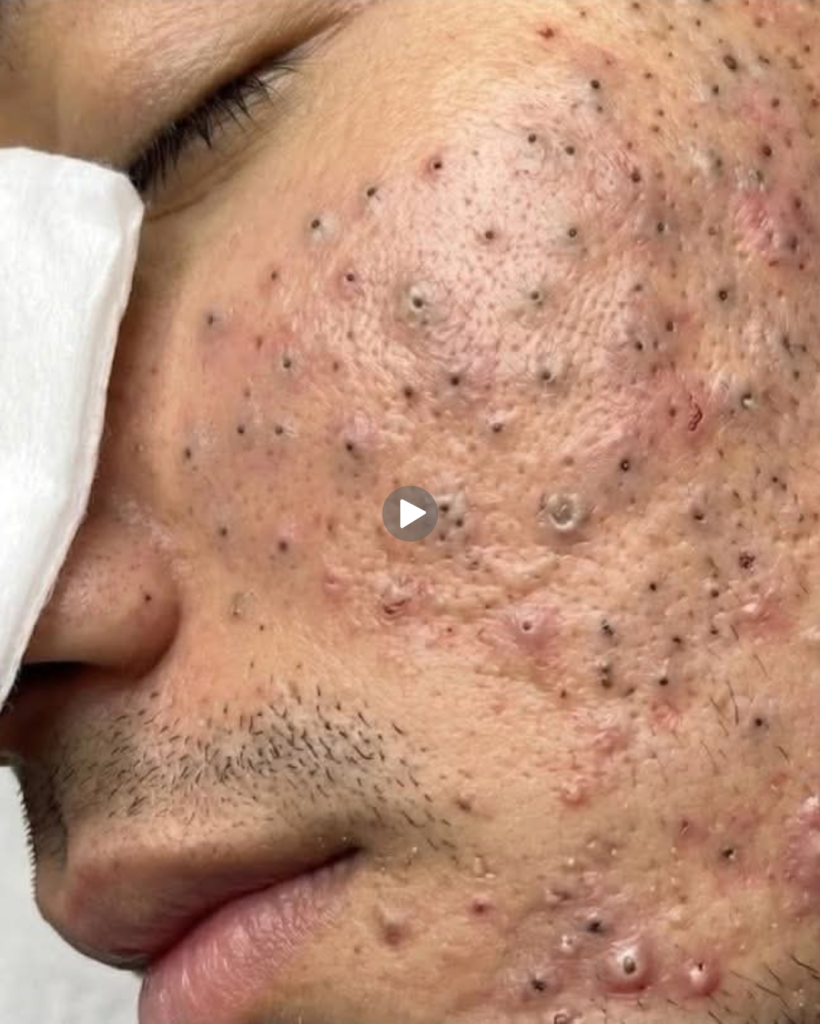
Black dark spots on the face are a common skin concern that affects people of all ages. These spots can make the skin look uneven, dull, and older than it actually is. Many people struggle to remove dark spots and regain a clear, glowing complexion. The good news is that with proper skincare, healthy habits, and the right treatments, dark spots can gradually fade over time.
In this article, we will discuss the causes of black dark spots, effective treatments, prevention tips, and natural remedies that can help improve your skin.
What Are Black Dark Spots?
Black dark spots, also known as hyperpigmentation, occur when certain areas of the skin produce excess melanin. Melanin is the pigment responsible for skin color. When too much melanin accumulates in one area, dark patches or spots appear.
These spots can vary in size, color, and intensity. Some may be light brown, while others appear dark brown or almost black.
Common Causes of Dark Spots on the Face
Understanding the cause of your dark spots is the first step toward effective treatment.
1. Sun Exposure
Excessive exposure to ultraviolet (UV) rays is one of the leading causes of dark spots. The sun stimulates melanin production, causing pigmentation to develop over time.
2. Acne Scars
After pimples heal, they often leave behind dark marks known as post-inflammatory hyperpigmentation. These spots can remain visible for weeks or even months.
3. Aging
As people age, they may develop age spots or liver spots due to years of sun exposure and natural skin changes.
4. Hormonal Changes
Hormonal fluctuations during pregnancy, menopause, or while taking birth control pills can trigger a condition called melasma, resulting in dark patches on the face.
5. Skin Injuries
Cuts, burns, irritation, or skin inflammation can leave dark marks after healing.
6. Certain Medications
Some medications may increase skin sensitivity to sunlight, making pigmentation more likely to occur.
Symptoms of Hyperpigmentation
Dark spots can appear in different forms, including:
- Small black or brown spots
- Large patches of discoloration
- Uneven skin tone
- Dark marks after acne
- Areas that become darker after sun exposure
The spots are usually painless and do not cause itching, but they may affect self-confidence.
Best Treatments for Dark Spots
1. Daily Sunscreen Use
Sunscreen is the most important step in treating and preventing dark spots.
Choose a broad-spectrum sunscreen with SPF 30 or higher and apply it every day, even on cloudy days.
Benefits include:
- Preventing new dark spots
- Protecting healing skin
- Reducing pigmentation worsening
2. Vitamin C Serum
Vitamin C is a powerful antioxidant that helps brighten the skin and reduce excess melanin production.
Regular use may:
- Fade dark spots
- Improve skin tone
- Boost collagen production
- Protect against environmental damage
3. Niacinamide
Niacinamide is a popular skincare ingredient known for reducing pigmentation and improving skin texture.
It can help:
- Lighten dark spots
- Reduce redness
- Strengthen the skin barrier
4. Retinoids
Retinoids increase skin cell turnover and encourage the growth of fresh skin cells.
Benefits include:
- Faster fading of dark spots
- Smoother skin texture
- Reduced acne scars
Always use retinoids as directed because they may cause irritation when first introduced.
5. Chemical Exfoliation
Products containing glycolic acid, lactic acid, or salicylic acid help remove dead skin cells and reveal brighter skin underneath.
Exfoliation can:
- Improve skin tone
- Reduce pigmentation
- Promote healthy skin renewal
6. Professional Treatments
For stubborn dark spots, dermatologists may recommend:
- Chemical peels
- Laser therapy
- Microdermabrasion
- Microneedling
These treatments can provide faster results but should be performed by qualified professionals.
Natural Remedies for Dark Spots
Many people prefer natural methods to improve skin appearance. While natural remedies may not work as quickly as medical treatments, they can support healthy skin.
Aloe Vera
Aloe vera contains compounds that may help reduce pigmentation and soothe the skin.
Apply fresh aloe vera gel to the affected areas daily.
Lemon Juice (Use with Caution)
Lemon contains natural acids that may lighten pigmentation. However, it can also irritate the skin and increase sun sensitivity.
Always dilute lemon juice and perform a patch test before use.
Turmeric
Turmeric has anti-inflammatory and antioxidant properties that may help brighten the skin.
Mix turmeric with yogurt or honey to create a simple face mask.
Honey
Honey is known for its moisturizing and healing benefits. Regular application can help improve overall skin appearance.
Green Tea Extract
Green tea contains antioxidants that may reduce pigmentation and protect the skin from environmental damage.
Daily Skincare Routine for Dark Spots
A consistent skincare routine is essential for visible improvement.
Morning Routine
- Gentle cleanser
- Vitamin C serum
- Moisturizer
- Sunscreen SPF 30+
Evening Routine
- Cleanser
- Niacinamide or retinoid
- Moisturizer
Consistency is more important than using many products.
Foods That Support Healthy Skin
A healthy diet can improve skin health from the inside.
Include:
- Citrus fruits
- Berries
- Tomatoes
- Spinach
- Carrots
- Nuts
- Fish rich in omega-3 fatty acids
Drink plenty of water throughout the day to keep the skin hydrated.
Prevention Tips
Preventing dark spots is easier than treating them.
Avoid Excessive Sun Exposure
Wear sunscreen daily and seek shade during peak sunlight hours.
Do Not Pick Pimples
Picking acne increases inflammation and raises the risk of dark marks.
Use Gentle Skincare Products
Harsh scrubs and strong chemicals can irritate the skin and worsen pigmentation.
Stay Hydrated
Hydration supports healthy skin function and repair.
Follow a Consistent Routine
Regular skincare provides better long-term results than occasional treatments.
When to See a Dermatologist
Consult a dermatologist if:
- Dark spots suddenly appear
- Spots rapidly increase in size
- Home treatments do not work
- Pigmentation becomes severe
- You notice unusual skin changes
A professional can identify the cause and recommend the most effective treatment plan.
Conclusion
Black dark spots on the face are a common skin concern, but they can be managed successfully with patience and proper care. Daily sunscreen use, brightening ingredients such as Vitamin C and niacinamide, healthy lifestyle habits, and professional treatments can all contribute to clearer, more even-toned skin.
While results may take several weeks or months, consistency is the key to success. By protecting your skin from sun damage and following a dedicated skincare routine, you can gradually reduce dark spots and achieve healthier, brighter skin.
