

A broken nail can be frustrating and painful. Whether it’s due to a sudden accident, weak nails, or everyday wear and tear, knowing how to fix a broken nail properly is essential to avoid further damage. In this article, we’ll explore various ways to repair a broken nail, prevent future breaks, and maintain healthy nails.
Understanding Why Nails Break
Before learning how to fix a broken nail, it’s important to understand why nails break. Nails are made of keratin, a protein that provides strength and protection. However, several factors can weaken them:
- Physical trauma – Slamming a finger in a door, catching a nail on clothing, or using nails as tools can cause breakage.
- Weak nails – Genetics, aging, or insufficient nutrition can make nails more brittle.
- Chemical exposure – Frequent use of nail polish remover, detergents, and harsh chemicals weakens nails.
- Health conditions – Vitamin deficiencies, thyroid issues, or skin conditions like eczema can contribute to fragile nails.
Immediate Steps for a Broken Nail
When a nail breaks, quick action can prevent further damage:
- Clean the nail – Wash your hands with mild soap and water. Remove any dirt or bacteria to prevent infection.
- Trim the broken edge – Use nail scissors or clippers to carefully trim jagged parts. Avoid tearing the nail further.
- File the nail – Smooth the edges gently using a fine nail file. Always file in one direction to prevent splitting.
- Disinfect – Apply an antiseptic or alcohol solution if the break is near the nail bed to reduce infection risk.
Methods to Fix a Broken Nail
Depending on the severity of the break, you can use several methods to repair your nail:
1. Tea Bag Method (DIY Repair)
The tea bag method is a popular home remedy that temporarily fixes a broken nail:
- Cut a small piece of a tea bag to fit over the broken area.
- Apply a thin layer of clear nail polish or nail glue on the nail.
- Place the tea bag piece over the nail and gently press it down.
- Apply another layer of nail glue or polish on top and let it dry.
- File gently to smooth the surface.
This method strengthens the nail and prevents further tearing until it grows out.
2. Nail Glue
For small breaks or cracks:
- Clean the nail thoroughly.
- Apply a small amount of nail glue to the cracked area.
- Press the crack together and hold for 30 seconds.
- Let it dry completely before using your hands.
Nail glue provides a fast, strong fix for minor breaks.
3. Silk Wraps or Fiberglass Wraps
Silk or fiberglass wraps are professional methods used in salons:
- A thin silk or fiberglass strip is applied over the broken area.
- Resin or glue is used to adhere the strip to the nail.
- Once dried, it is filed and polished for a smooth finish.
This method offers a durable, long-lasting solution for badly broken nails.
4. Acrylic or Gel Overlay
If you frequently have broken nails:
- Salons offer acrylic or gel overlays that strengthen natural nails.
- The broken nail is filed and shaped, then covered with acrylic or gel.
- This method can prevent future breaks while allowing the nail to grow underneath.
5. Nail Tip Repair
For severe breaks that extend to the nail bed:
- Nail tips can be glued to the broken nail.
- The tip is trimmed and shaped to match the nail.
- Nail polish or gel is applied on top for a natural finish.
This is an effective solution when most of the nail has broken off.
Home Remedies for Nail Strengthening
Repairing a broken nail is one thing; preventing future breaks is equally important. Some home remedies can make nails stronger:
- Olive Oil Soak – Soak nails in warm olive oil for 10-15 minutes daily to improve flexibility.
- Biotin Supplements – Biotin promotes nail growth and strengthens brittle nails.
- Coconut Oil Massage – Massaging nails with coconut oil nourishes the nail bed and cuticles.
- Limit Water Exposure – Frequent water contact can weaken nails; wear gloves while washing dishes.
- Healthy Diet – Include protein, zinc, and vitamins A, C, and E in your diet for strong nails.
Tips to Prevent Nail Breakage
- Keep nails trimmed and filed.
- Avoid using nails as tools.
- Moisturize nails and cuticles daily.
- Wear gloves during household chores.
- Avoid harsh chemicals like acetone and detergents.
When to See a Professional
Consult a dermatologist or nail technician if:
- The nail break is severe and painful.
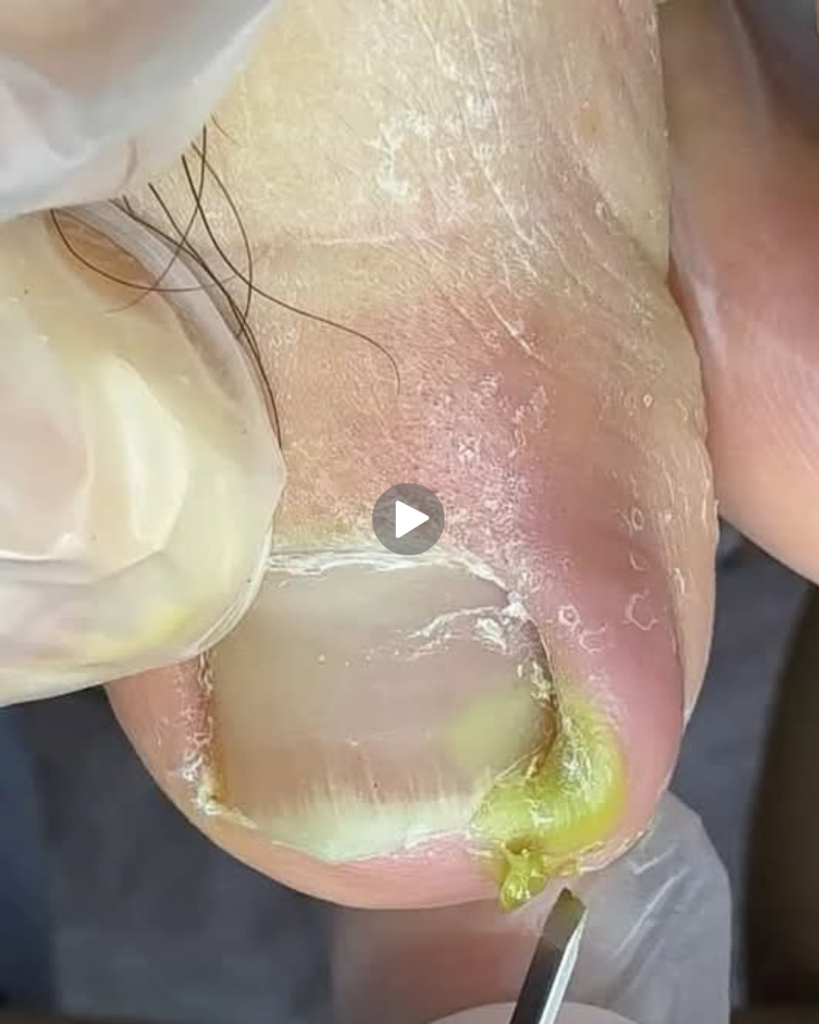
- Signs of infection appear (redness, pus, swelling).
- Nails break frequently despite proper care.
Professionals can provide advanced treatments such as acrylic overlays, gel extensions, or medical advice if the problem is health-related.
FAQ – Broken Nail Repair
Q1: How long does it take for a broken nail to grow back?
A: Fingernails grow about 2-3 mm per month, so it may take 3-6 months for a fully broken nail to grow back, depending on severity.
Q2: Can I use super glue on a broken nail?
A: Yes, a small amount of cyanoacrylate (super glue) can temporarily fix minor breaks, but it’s better to use nail-specific glue to avoid irritation.
Q3: Are nail wraps safe?
A: Silk and fiberglass wraps are safe if applied correctly. Avoid using harsh chemicals or removing them roughly.
Q4: How can I strengthen weak nails?
A: Regular moisturizing, a balanced diet, and avoiding harsh chemicals help strengthen nails naturally. Biotin supplements may also help.
Q5: Should I cut a nail broken near the nail bed?
A: Only trim the jagged edges carefully. Avoid cutting too close to the nail bed to prevent pain or infection.
Conclusion
A broken nail is not just a cosmetic issue—it can cause discomfort and even lead to infections if not treated properly. Whether you choose a quick DIY method like the tea bag fix or professional treatments like acrylic overlays, prompt care can prevent further damage. Combine repairs with preventive nail care to keep your nails healthy, strong, and beautiful.
Remember, patience is key. Nails take time to grow, but consistent care and attention will ensure they stay healthy and resilient.
