

Introduction
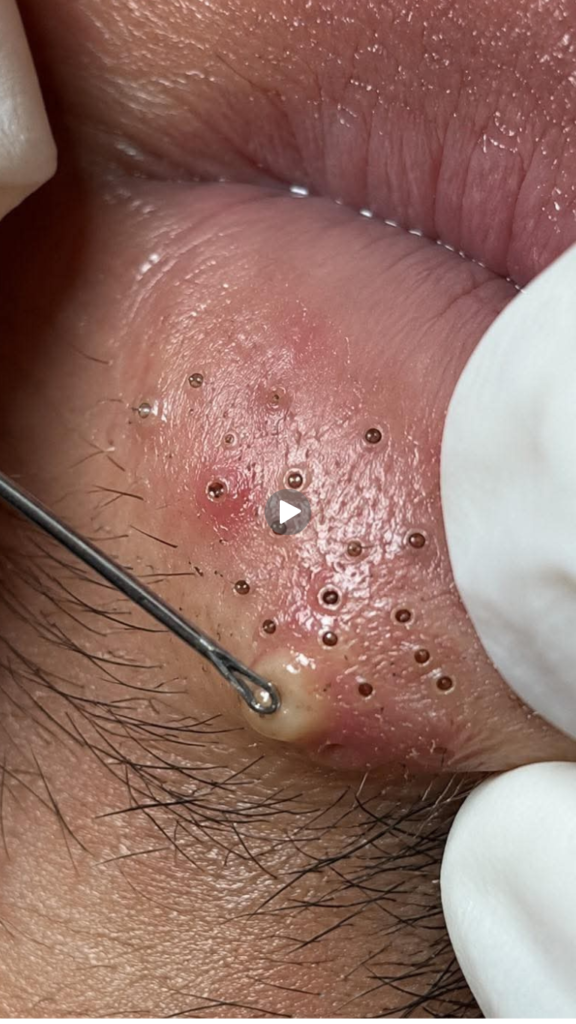
Nose pimple acne is one of the most common skin concerns affecting teenagers and adults alike. Pimples on the nose can be painful, noticeable, and difficult to manage because the nose contains a high concentration of oil-producing glands. Excess oil, dead skin cells, bacteria, and clogged pores often lead to acne breakouts on this area of the face.
If you are struggling with nose pimples and want clear, healthy skin, understanding the causes and learning the right treatment methods can make a significant difference. This guide covers everything you need to know about cleaning nose pimple acne, treating breakouts, and preventing future flare-ups.
What Causes Nose Pimple Acne?
The nose is part of the T-zone, which naturally produces more oil than other facial areas. Several factors can contribute to acne formation on the nose:
Excess Oil Production
Overactive sebaceous glands produce too much sebum, which can clog pores and create an environment where acne-causing bacteria thrive.
Clogged Pores
Dead skin cells, dirt, makeup residue, and oil can accumulate inside pores, leading to blackheads, whiteheads, and inflamed pimples.
Hormonal Changes
Hormonal fluctuations during puberty, menstruation, pregnancy, or stress can increase oil production and trigger acne breakouts.
Poor Skin Care Habits
Using harsh skincare products, not washing your face properly, or frequently touching your nose can worsen acne.
Diet and Lifestyle Factors
Some people notice increased acne after consuming excessive sugary foods, dairy products, or highly processed foods. Lack of sleep and stress can also contribute to breakouts.
Types of Nose Acne
Understanding the type of acne you have can help determine the best treatment approach.
Blackheads
Blackheads occur when pores become clogged with oil and dead skin cells. The exposed material oxidizes and turns black.
Whiteheads
Whiteheads form when clogged pores remain closed beneath the skin’s surface.
Papules
These are small red bumps that may feel tender when touched.
Pustules
Pustules contain pus and appear as red pimples with a white or yellow center.
Cystic Acne
Cystic acne is deeper beneath the skin and often causes painful, swollen lumps that may require professional treatment.
How to Clean Nose Pimple Acne Properly
Wash Your Face Twice Daily
Use a gentle cleanser specifically designed for acne-prone skin. Wash your face in the morning and before bedtime to remove excess oil, dirt, and bacteria.
Avoid scrubbing aggressively, as this can irritate the skin and worsen inflammation.
Use Warm Water
Warm water helps loosen dirt and oil trapped in pores without stripping the skin of its natural moisture.
Exfoliate Gently
Exfoliating one or two times per week can help remove dead skin cells that clog pores. Choose a gentle chemical exfoliant containing salicylic acid rather than harsh physical scrubs.
Apply an Acne Treatment
Products containing salicylic acid, benzoyl peroxide, or niacinamide can help reduce acne-causing bacteria and unclog pores.
Moisturize Daily
Many people skip moisturizer because they believe it will make acne worse. However, using a lightweight, oil-free moisturizer helps maintain skin balance and prevent excess oil production.
Best Ingredients for Treating Nose Acne
Salicylic Acid
Salicylic acid penetrates deep into pores, dissolving excess oil and dead skin cells. It is particularly effective for blackheads and whiteheads.
Benzoyl Peroxide
This ingredient kills acne-causing bacteria and reduces inflammation.
Niacinamide
Niacinamide helps control oil production, calm redness, and improve overall skin texture.
Retinoids
Retinoids increase cell turnover, helping prevent clogged pores and reducing acne formation.
Tea Tree Oil
Tea tree oil has natural antibacterial properties that may help reduce mild acne when used properly.
Home Remedies for Nose Pimples
Ice Therapy
Applying an ice pack wrapped in a clean cloth for a few minutes can help reduce redness, swelling, and discomfort.
Honey Mask
Honey contains natural antibacterial properties that may soothe inflamed skin and support healing.
Aloe Vera Gel
Pure aloe vera gel can calm irritation and provide hydration without clogging pores.
Green Tea
Green tea contains antioxidants that may help reduce inflammation and excess oil production when applied topically.
What Not to Do
Avoid Popping Pimples
Squeezing or popping pimples can push bacteria deeper into the skin, increasing inflammation and the risk of scarring.
Don’t Overwash
Washing your face too frequently can strip away natural oils and trigger increased oil production.
Avoid Harsh Products
Strong alcohol-based toners and abrasive scrubs may damage the skin barrier and worsen acne.
Don’t Touch Your Face
Your hands carry bacteria and oils that can transfer to your skin and contribute to breakouts.
Preventing Future Nose Acne
Maintain a Consistent Skincare Routine
Consistency is essential. Use gentle cleansing, moisturizing, and acne treatment products regularly.
Change Pillowcases Frequently
Dirty pillowcases can accumulate oil, sweat, and bacteria that contribute to acne.
Clean Your Phone Screen
Your phone comes into contact with your nose and cheeks throughout the day. Regular cleaning can reduce bacterial transfer.
Stay Hydrated
Drinking enough water supports overall skin health and helps maintain healthy skin function.
Manage Stress
Stress can increase hormone levels that stimulate oil production. Activities such as exercise, meditation, and adequate sleep may help reduce stress-related breakouts.
When to See a Dermatologist
You should consider professional help if:
- Acne is severe or painful.
- Over-the-counter treatments are not working.
- You have recurring cystic acne.
- Acne is causing emotional distress.
- You notice scarring or dark marks.
A dermatologist may recommend prescription medications, topical treatments, oral antibiotics, or advanced procedures such as chemical peels and laser therapy.
The Connection Between Nose Acne and Overall Health
Some people believe that pimples on specific facial areas indicate health issues. While acne location alone does not diagnose medical conditions, recurring breakouts can sometimes be influenced by hormonal changes, diet, stress, or skincare habits.
Monitoring your lifestyle and discussing persistent acne with a healthcare professional can help identify contributing factors.
Conclusion
Nose pimple acne can be frustrating, but with the right skincare routine and healthy habits, it can be effectively managed. Gentle cleansing, proper moisturization, acne-fighting ingredients, and avoiding common mistakes are key to achieving clearer skin.
Remember that acne treatment requires patience. Most products take several weeks to show noticeable improvement. By staying consistent and caring for your skin properly, you can reduce nose acne, prevent future breakouts, and enjoy healthier, clearer skin over time.
