

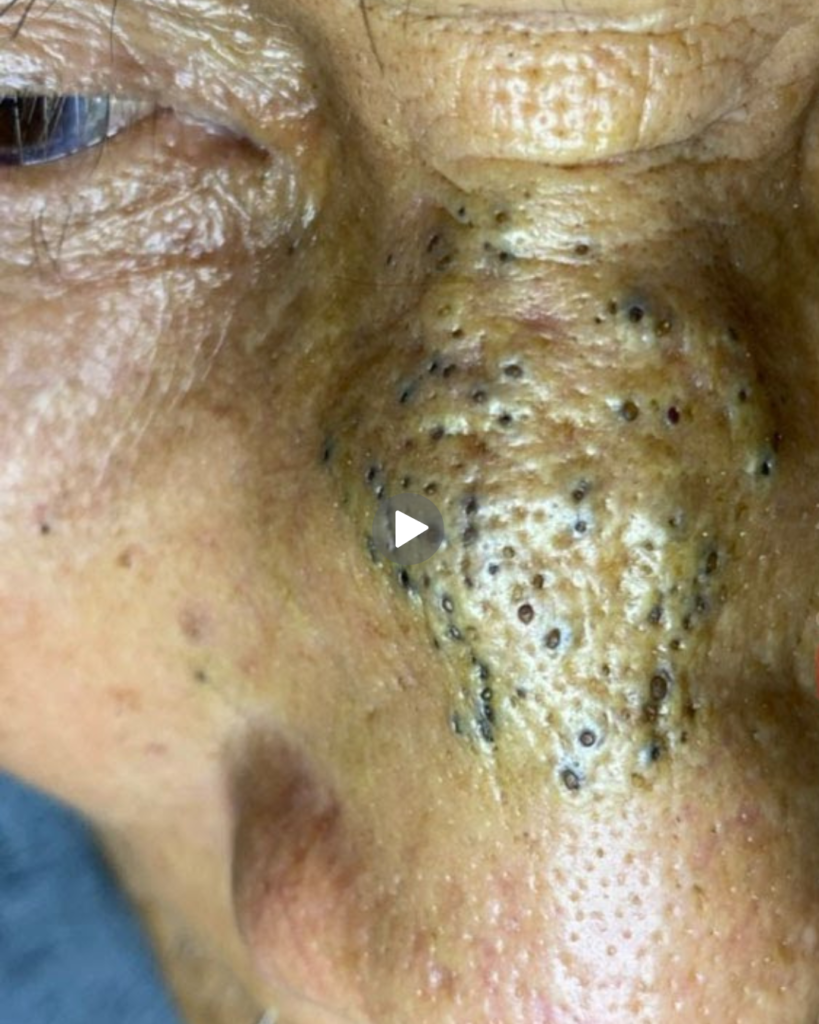
Dark pores on the nose are one of the most common skin concerns across all ages and skin types. Often mistaken for blackheads, these dark dots can make the skin appear rough, oily, and uneven. While they are not dangerous, they can affect confidence and overall appearance. Understanding what causes dark pores and how to properly clean and minimize them is the key to achieving clearer, healthier-looking skin.
This article explains what dark pores are, why they appear on the nose, and the safest and most effective ways to clean and prevent them.
What Are Dark Pores on the Nose?
Dark pores are enlarged skin pores that appear darker due to oil (sebum), dead skin cells, and environmental impurities trapped inside them. When these substances are exposed to air, they oxidize and turn dark, creating the appearance of black dots. Unlike acne, dark pores are usually not inflamed or painful.
The nose is particularly prone to dark pores because it contains a higher concentration of sebaceous (oil) glands compared to other areas of the face.
Common Causes of Dark Pores
Understanding the causes helps in choosing the right treatment.
1. Excess Oil Production
Overactive sebaceous glands produce excess oil, which mixes with dead skin cells and clogs pores.
2. Dead Skin Cell Buildup
When dead skin cells are not exfoliated regularly, they accumulate and block pores.
3. Genetics
Some people naturally have larger pores due to their skin type or genetic makeup.
4. Improper Cleansing
Not washing the face properly or sleeping with makeup on can worsen pore congestion.
5. Sun Damage
UV exposure breaks down collagen, causing pores to stretch and appear darker and larger.
6. Hormonal Changes
Hormonal fluctuations during puberty, menstruation, or stress can increase oil production.
How to Clean Dark Pores on the Nose
1. Cleanse Your Face Properly
Daily cleansing is the foundation of pore care.
- Use a gentle, sulfate-free cleanser twice a day
- Choose gel-based cleansers for oily skin
- Massage the nose area gently for 30–60 seconds
- Rinse with lukewarm water (hot water can increase oil production)
Avoid harsh soaps, as they can strip natural oils and cause the skin to produce even more oil.
2. Exfoliate Regularly (But Gently)
Exfoliation removes dead skin cells that clog pores.
Chemical exfoliants are often better than physical scrubs:
- Salicylic acid (BHA) penetrates pores and dissolves oil
- Glycolic or lactic acid (AHA) smooths the skin surface
Use exfoliants 2–3 times per week, not daily, to avoid irritation.
3. Steam Your Face (Once a Week)
Facial steaming helps soften clogged pores.
How to do it safely:
- Boil water and pour it into a bowl
- Lean over the bowl (at a safe distance)
- Cover your head with a towel
- Steam for 5–8 minutes
After steaming, cleanse your nose gently and apply a pore-tightening product or cold water rinse.
4. Use Clay or Charcoal Masks
Clay masks are excellent for absorbing excess oil and impurities.
Best ingredients to look for:
- Kaolin clay
- Bentonite clay
- Activated charcoal
Apply a mask once or twice a week, focusing on the nose. Do not let the mask over-dry, as this can irritate the skin.
5. Try Nose Strips (Occasionally)
Pore strips can remove surface-level debris and oil plugs.
Important tips:
- Use only once every 1–2 weeks
- Do not use on irritated or sensitive skin
- Follow up with toner to tighten pores
Nose strips offer temporary results and should not be relied on as a long-term solution.
6. Apply a Toner to Minimize Pores
Toners help remove leftover impurities and tighten the appearance of pores.
Look for toners containing:
- Witch hazel
- Niacinamide
- Green tea extract
- Rose water
Apply toner using a cotton pad or clean hands, focusing on the nose area.
7. Moisturize Daily (Yes, Even Oily Skin!)
Skipping moisturizer can worsen dark pores.
- Choose lightweight, oil-free, non-comedogenic moisturizers
- Ingredients like hyaluronic acid and ceramides help balance the skin
Well-hydrated skin produces less oil and maintains healthier pores.
8. Use Sunscreen Every Day
Sun damage makes pores look larger and darker.
- Use a broad-spectrum SPF 30 or higher
- Choose gel or matte sunscreen for oily skin
- Apply daily, even on cloudy days
Consistent sun protection helps prevent pore enlargement over time.
Natural Home Remedies (Use with Care)
Some home remedies may help, but they should be used cautiously.
1. Aloe Vera
Soothes skin and controls oil production.
2. Green Tea
Contains antioxidants that help reduce oil and inflammation.
3. Honey
Has antibacterial properties and gently cleans pores.
Avoid harsh DIY remedies like lemon juice, baking soda, or toothpaste, as they can damage the skin barrier.
What NOT to Do
- Do not squeeze or pick pores
- Avoid over-exfoliating
- Do not use harsh scrubs daily
- Avoid alcohol-based skincare products
- Do not skip moisturizer or sunscreen
These habits can worsen pore appearance and cause long-term skin damage.
Professional Treatments for Stubborn Dark Pores
If home care is not enough, dermatological treatments can help:
- Chemical peels
- Microdermabrasion
- Laser therapy
- Professional extractions
Always consult a licensed dermatologist before undergoing any procedure.
Can Dark Pores Be Permanently Removed?
Pores cannot be permanently eliminated, but their appearance can be significantly reduced with proper care. Consistency is more important than quick fixes. With the right routine, dark pores can become less noticeable and easier to manage.
Conclusion
Dark pores on the nose are a common but manageable skin concern. They are mainly caused by excess oil, dead skin buildup, and environmental factors. Proper cleansing, gentle exfoliation, regular moisturizing, and sun protection form the foundation of effective pore care.
Rather than trying aggressive treatments, focus on a balanced skincare routine and healthy habits. Over time, this approach will lead to cleaner pores, smoother skin, and a more confident appearance.
