
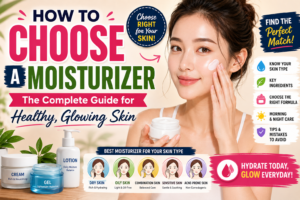

Choosing the right moisturizer can make a significant difference in the health and appearance of your skin. With countless creams, lotions, gels, and balms available, finding the perfect product can feel overwhelming. The truth is, the best moisturizer depends on your skin type, lifestyle, climate, and individual skin concerns.
A good moisturizer doesn’t just make your skin feel soft—it helps protect your skin barrier, locks in hydration, reduces dryness, and supports overall skin health. Whether you have oily, dry, combination, sensitive, or acne-prone skin, selecting the right formula is essential.
This comprehensive guide explains how to choose a moisturizer, which ingredients to look for, which ones to avoid, and expert tips to help you maintain healthy, glowing skin.
Why Moisturizer Is Important
Your skin naturally loses moisture throughout the day due to weather, washing, aging, and environmental exposure. A moisturizer helps replace lost hydration while strengthening your skin’s protective barrier.
Benefits of Using a Moisturizer
- Keeps skin hydrated
- Prevents dryness and flaking
- Reduces irritation
- Improves skin texture
- Helps minimize fine lines
- Protects the skin barrier
- Makes makeup apply more smoothly
- Supports healthy-looking skin
Consistent moisturizing is beneficial for nearly every skin type.
Step 1: Know Your Skin Type
Before purchasing a moisturizer, determine your skin type.
Dry Skin
Signs include:
- Tight feeling
- Rough texture
- Flaky patches
- Dull appearance
Dry skin needs richer, cream-based moisturizers that provide long-lasting hydration.
Oily Skin
Characteristics include:
- Excess shine
- Enlarged pores
- Frequent breakouts
Oily skin still requires moisture. Choose lightweight, oil-free gel moisturizers.
Combination Skin
Combination skin has:
- Oily T-zone
- Dry or normal cheeks
A lightweight lotion usually works well for balancing hydration.
Sensitive Skin
Sensitive skin often experiences:
- Redness
- Burning
- Irritation
- Itching
Choose fragrance-free, alcohol-free moisturizers with soothing ingredients.
Acne-Prone Skin
Look for products labeled:
- Non-comedogenic
- Oil-free
- Lightweight
These are less likely to clog pores.
Step 2: Understand the Different Types of Moisturizers
Cream
Creams are thick and ideal for:
- Dry skin
- Mature skin
- Winter weather
They provide intensive hydration.
Lotion
Lotions are lighter than creams and suitable for:
- Normal skin
- Combination skin
- Everyday use
Gel Moisturizer
Gel moisturizers absorb quickly and feel refreshing.
Best for:
- Oily skin
- Acne-prone skin
- Humid climates
Balm
Balms have a rich texture and help repair severely dry or damaged skin.
They are especially useful during cold weather.
Step 3: Learn About Moisturizing Ingredients
Understanding ingredient labels helps you choose the right product.
Hyaluronic Acid
One of the best hydrating ingredients.
Benefits:
- Holds water in the skin
- Reduces dehydration
- Leaves skin plump
Suitable for all skin types.
Ceramides
Ceramides strengthen the skin barrier.
Excellent for:
- Dry skin
- Sensitive skin
- Eczema-prone skin
Glycerin
A powerful humectant that attracts water into the skin.
Works well for every skin type.
Niacinamide
Benefits include:
- Reduces redness
- Controls excess oil
- Brightens skin
- Strengthens the skin barrier
Perfect for oily and acne-prone skin.
Squalane
A lightweight moisturizing ingredient that softens the skin without feeling greasy.
Suitable for both oily and dry skin.
Shea Butter
Rich in fatty acids and vitamins.
Ideal for:
- Dry skin
- Rough patches
- Winter skincare
Aloe Vera
Provides soothing hydration.
Great for:
- Sensitive skin
- Sun-exposed skin
- Irritated skin
Ingredients to Avoid
Some ingredients may not suit everyone.
Consider avoiding if your skin is sensitive:
- Strong fragrance
- High amounts of alcohol
- Harsh essential oils
- Artificial dyes
Always patch-test new products before applying them to your face.
How to Choose a Moisturizer for Your Skin Type
Best Moisturizer for Dry Skin
Look for:
- Ceramides
- Shea butter
- Hyaluronic acid
- Glycerin
- Squalane
Choose rich creams that lock in moisture.
Best Moisturizer for Oily Skin
Choose:
- Oil-free formulas
- Gel texture
- Lightweight lotions
- Non-comedogenic products
Avoid heavy, greasy creams unless recommended by a dermatologist.
Best Moisturizer for Combination Skin
Use:
- Lightweight cream
- Lotion
- Gel-cream formulas
Balance hydration without making oily areas shinier.
Best Moisturizer for Sensitive Skin
Choose products that are:
- Fragrance-free
- Alcohol-free
- Dermatologist-tested
- Hypoallergenic
Look for soothing ingredients like:
- Aloe vera
- Oat extract
- Ceramides
- Centella Asiatica
Best Moisturizer for Mature Skin
As skin ages, it loses moisture more easily.
Choose moisturizers containing:
- Peptides
- Ceramides
- Hyaluronic acid
- Retinol (night use)
- Antioxidants
These ingredients help improve hydration and reduce the appearance of fine lines.
Morning vs. Night Moisturizers
Morning Moisturizer
A daytime moisturizer should be:
- Lightweight
- Fast-absorbing
- Comfortable under sunscreen or makeup
If possible, choose one with SPF or apply sunscreen afterward.
Night Moisturizer
Night creams are often richer and designed to support the skin’s natural repair process while you sleep.
Climate Matters
Your environment affects your skincare needs.
Hot and Humid Weather
Choose:
- Gel moisturizers
- Lightweight lotions
Cold and Dry Weather
Use:
- Thick creams
- Balms
- Occlusive moisturizers
Common Moisturizer Mistakes
Many people unknowingly reduce the effectiveness of their skincare.
Using Too Much Product
A pea-sized amount is often enough for the face.
Skipping Moisturizer Because Your Skin Is Oily
Oily skin still needs hydration. Dehydrated skin may produce even more oil.
Applying to Dry Skin
Apply moisturizer to slightly damp skin after cleansing to help lock in moisture.
Ignoring Ingredients
Always read the ingredient list rather than relying only on marketing claims.
Changing Products Too Frequently
Give a new moisturizer several weeks to determine whether it suits your skin.
How to Apply Moisturizer Correctly
Follow these simple steps:
- Cleanse your face.
- Apply toner or serum if you use them.
- Pat your skin until slightly damp.
- Apply moisturizer gently using upward motions.
- Use sunscreen during the day.
Expert Tips for Choosing the Right Moisturizer
- Identify your skin type first.
- Consider your climate and season.
- Read ingredient labels carefully.
- Avoid heavily fragranced products if you have sensitive skin.
- Patch-test new products.
- Stay consistent with your routine.
- Don’t forget sunscreen during the day.
- Replace products if they irritate your skin.
Frequently Asked Questions
How do I know if my moisturizer is working?
Your skin should feel comfortable, hydrated, and smooth without excessive oiliness or irritation. Improvements in dryness and texture often appear within a few weeks.
Can oily skin skip moisturizer?
No. Oily skin still needs hydration. Choose a lightweight, oil-free moisturizer to help maintain a healthy skin barrier.
How often should I use moisturizer?
Most people benefit from applying moisturizer twice daily—once in the morning and once before bed.
Should I use different moisturizers in summer and winter?
Yes. Many people prefer lighter formulas in warm weather and richer creams during colder months.
Can moisturizer help reduce wrinkles?
Moisturizer cannot erase wrinkles, but keeping the skin hydrated can make fine lines appear less noticeable and support healthier-looking skin.
Conclusion
Knowing how to choose a moisturizer is one of the most important steps in building an effective skincare routine. The right moisturizer depends on your skin type, environment, and personal concerns. Whether you prefer a lightweight gel for oily skin or a nourishing cream for dry skin, selecting products with beneficial ingredients like hyaluronic acid, ceramides, glycerin, and niacinamide can help maintain a healthy skin barrier and long-lasting hydration.
Consistency is key. By using a suitable moisturizer every day and pairing it with gentle cleansing and sunscreen, you can keep your skin looking healthy, smooth, and radiant throughout the year.