

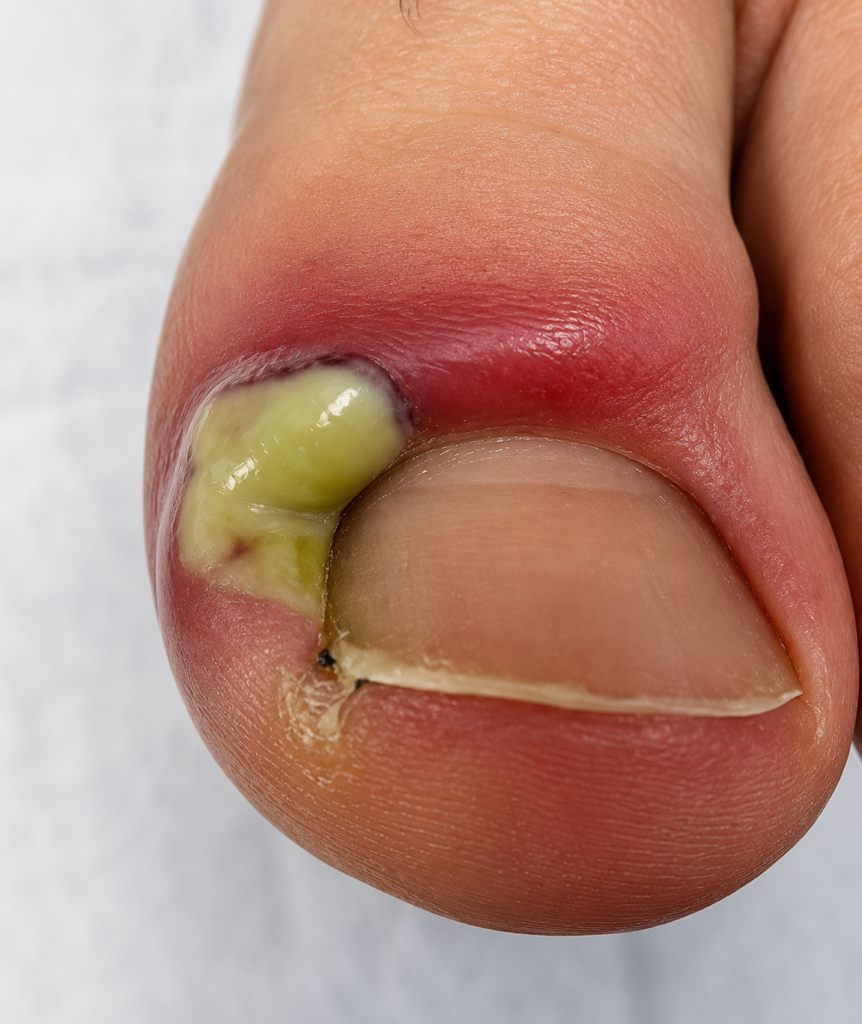
Living with diabetes can affect many parts of the body, including your skin, feet, and nails. Many people notice weak, yellow, thick, brittle, or damaged nails after blood sugar levels remain high for a long time. Nail problems caused by diabetes are common, but with proper care and treatment, healthy nails can return.
In this article, you will learn how diabetes affects nails, the common symptoms, treatment options, home remedies, and prevention tips to keep your nails strong and healthy.
What Is the Link Between Diabetes and Nail Problems?
Diabetes affects blood circulation and weakens the immune system. When blood sugar levels stay high, the body cannot properly deliver oxygen and nutrients to the nails. This can make nails dry, weak, discolored, and more likely to get infections.
People with diabetes are also at higher risk of fungal infections, especially in the toenails. Poor circulation can slow healing, making nail damage worse over time.
Common Nail Problems Caused by Diabetes
Here are some common nail issues people with diabetes may experience:
1. Yellow Nails
High blood sugar can cause nails to become yellow or brownish. Fungal infections are also a major reason for nail discoloration.
2. Thick Nails
Diabetes may cause nails to become thick and hard. Thick toenails can become painful while walking.
3. Brittle or Cracked Nails
Poor blood circulation and dehydration can make nails dry and easy to break.
4. Nail Fungus
Fungal nail infections are very common in diabetic patients. Symptoms include:
- Yellow nails
- Thick texture
- Bad smell
- Crumbling edges
- White spots on nails
5. Slow Nail Growth
Diabetes may reduce blood flow, causing nails to grow slowly or unevenly.
6. Ingrown Nails
People with diabetes can develop painful ingrown nails that may lead to infection if untreated.
Signs That Your Nail Problem Needs Medical Attention
You should visit a doctor if you notice:
- Severe nail pain
- Swelling around the nail
- Redness or pus
- Black nails
- Bleeding near the nail
- Bad smell from nails
- Fever with infection
Ignoring these symptoms can lead to serious complications, especially for diabetic patients.
Main Causes of Nail Damage in Diabetes
High Blood Sugar Levels
Excess sugar in the blood weakens nail health and slows healing.
Poor Blood Circulation
Reduced circulation means nails do not receive enough nutrients.
Weak Immune System
Diabetes lowers the body’s ability to fight infections.
Fungal and Bacterial Infections
Warm and moist environments allow fungus to grow easily.
Dry Skin and Dehydration
Dryness around the nails can cause cracks and peeling.
Best Treatments for Diabetic Nail Problems
There are several treatments available depending on the condition of your nails.
1. Control Blood Sugar Levels
The most important treatment is keeping blood sugar under control. Healthy glucose levels improve blood circulation and reduce infection risk.
Tips include:
- Eat healthy foods
- Avoid too much sugar
- Exercise regularly
- Take diabetes medication on time
- Drink enough water
2. Use Antifungal Treatments
If fungus is causing nail damage, doctors may recommend:
- Antifungal creams
- Medicated nail polish
- Oral antifungal medicines
Treatment can take several months because nails grow slowly.
3. Keep Nails Clean and Dry
Clean nails reduce bacteria and fungus growth.
Nail Care Tips:
- Wash feet and hands daily
- Dry nails completely
- Change socks regularly
- Avoid tight shoes
- Trim nails carefully
4. Moisturize Your Nails
Dry nails can become weak and painful. Apply moisturizer or natural oils daily.
Good options include:
- Coconut oil
- Olive oil
- Vitamin E oil
- Aloe vera gel
These ingredients help soften and strengthen nails naturally.
5. Avoid Nail Injuries
People with diabetes heal slowly, so even small injuries can become serious.
Avoid:
- Cutting nails too short
- Biting nails
- Pulling hangnails
- Walking barefoot
6. Medical Pedicure by Professionals
Diabetic patients should avoid unsafe salon tools. Visit trained professionals for nail care if needed.
Home Remedies for Damaged Nails in Diabetes
Natural remedies may help improve nail health when used safely.
Tea Tree Oil
Tea tree oil has antifungal properties that may help reduce nail fungus.
How to Use:
- Mix a few drops with coconut oil
- Apply to affected nails daily
Apple Cider Vinegar Soak
Apple cider vinegar may help reduce fungal growth.
Steps:
- Mix warm water and vinegar equally
- Soak nails for 15 minutes
- Dry completely afterward
Coconut Oil Massage
Coconut oil helps moisturize nails and prevent dryness.
Massage gently around the nails every night before sleeping.
Garlic Paste
Garlic contains natural antifungal compounds.
Apply crushed garlic to affected nails for a few minutes before washing.
Foods That Help Improve Nail Health
Healthy nutrition is important for strong nails.
Best Foods for Nail Strength
Protein-Rich Foods
- Eggs
- Chicken
- Fish
- Lentils
Biotin Foods
- Nuts
- Bananas
- Sweet potatoes
Iron-Rich Foods
- Spinach
- Beans
- Red meat
Omega-3 Foods
- Salmon
- Walnuts
- Chia seeds
Vitamin C Foods
- Oranges
- Lemons
- Strawberries
These foods support nail growth and improve circulation.
How to Prevent Nail Problems with Diabetes
Prevention is easier than treatment. Follow these habits daily:
- Check your feet and nails every day
- Keep blood sugar stable
- Wear breathable shoes
- Avoid sharing nail clippers
- Disinfect nail tools
- Wear clean cotton socks
- Visit a doctor regularly
Can Diabetic Nail Problems Become Serious?
Yes, untreated nail infections can become dangerous for diabetic patients. In severe cases, infections may spread to the skin or deeper tissues.
Early treatment helps prevent complications such as:
- Severe foot infections
- Pain while walking
- Open wounds
- Permanent nail damage
That is why proper diabetic nail care is very important.
When to Visit a Doctor
You should consult a healthcare professional if:
- Home remedies do not work
- Nail color becomes black
- Infection spreads
- You feel severe pain
- Nails separate from the skin
A doctor can recommend proper treatment and prevent further complications.
Conclusion
Diabetes can seriously affect nail health by causing weak, yellow, thick, or infected nails. High blood sugar, poor circulation, and fungal infections are the main reasons behind diabetic nail damage. Fortunately, proper diabetes management, healthy hygiene, antifungal treatments, and good nutrition can improve nail health over time.
Taking care of your nails daily is an important part of diabetes care. Early treatment and prevention can protect your nails and keep your hands and feet healthy.
