
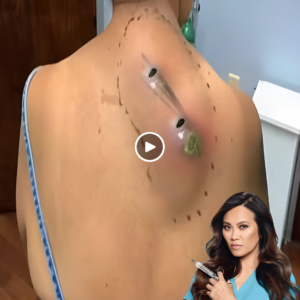


Back cysts are common, usually harmless skin growths that many people experience at some point. While they can be uncomfortable, unsightly, or occasionally painful, most back cysts are treatable with simple medical procedures. Understanding the types of cysts, why they form, and the safest ways to treat them can help you make informed decisions about your health.
What Is a Back Cyst?
A cyst is a closed sac beneath the skin filled with fluid, semi-solid material, or keratin (a protein that forms skin, hair, and nails). On the back, the most common type is an epidermoid cyst—sometimes called a sebaceous or skin cyst. These are usually slow-growing and form when skin cells become trapped beneath the surface rather than shedding normally. Less commonly, people can develop pilar cysts, often found on the scalp but sometimes appearing on the upper back.
Although cysts are not dangerous in most cases, they can cause discomfort, get inflamed, or become infected. That’s when treatment becomes important.
Symptoms That Indicate a Back Cyst
Many cysts do not show symptoms beyond appearing as a small, round lump. However, you might notice:
- A soft, movable bump under the skin
- A central “punctum,” or black dot, which is the blocked pore
- Mild tenderness
- A sense of pressure when lying on your back
If a cyst becomes infected, symptoms may include redness, swelling, warmth, increased pain, and pus drainage. Infection typically requires medical attention.
When to Treat a Back Cyst
Not all back cysts need treatment. Some people choose to leave them alone if they are small and painless. However, treatment may be necessary if the cyst:
- Grows larger
- Becomes painful or inflamed
- Gets repeatedly infected
- Leaks foul-smelling material
- Interferes with movement, clothing, or sleep
- Causes cosmetic concerns
Early evaluation by a healthcare professional ensures the cyst is truly benign and helps you choose the safest treatment option.
Medical Treatment Options
1. Warm Compresses (for mild discomfort)
For small, non-infected cysts, warm compresses can help reduce tenderness and promote drainage through the natural opening of the cyst. This does not remove the cyst sac, so the cyst may return, but it can relieve symptoms temporarily.
2. Steroid Injection (for inflamed cysts)
If the cyst is inflamed but not infected, a doctor may inject a corticosteroid directly into the cyst. This can reduce swelling and discomfort within a few days. While it may shrink the cyst, it usually will not eliminate it entirely.
3. Incision and Drainage (I&D)
This is a quick, in-office procedure commonly used when a cyst becomes painful or infected.
Steps typically include:
- Numbing the area with local anesthesia
- Making a small cut into the cyst
- Draining its contents
- Applying a clean dressing
I&D gives fast relief, but because the cyst wall remains inside, the cyst often returns. It is usually recommended only for infected cysts or short-term relief.
4. Surgical Removal (the most definitive treatment)
For long-term success, the entire cyst—including its sac—must be removed. This is typically a minor outpatient procedure performed under local anesthesia.
A doctor may use one of two methods:
- Traditional excision: A small cut is made, and the entire cyst is removed in one piece. This greatly reduces recurrence.
- Minimal excision technique: A tiny opening is created, and the cyst’s contents and sac are expressed through the incision. This leaves a smaller scar but carries a slightly higher chance of recurrence.
Removal usually takes 15–30 minutes. Healing time is about 1–2 weeks, depending on the size and location.
What You Should NOT Do
Never attempt to squeeze or pop a cyst at home.
Doing so can:
- Cause infection
- Force the cyst deeper into the skin
- Lead to scarring
- Delay proper treatment
Similarly, avoid using sharp objects, unsterile tools, or “DIY removal” methods. These are unsafe and can cause serious complications.
Aftercare Tips Following Cyst Treatment
Proper care after treatment helps ensure fast healing and lowers the risk of infection.
- Keep the area clean and dry for the first 24–48 hours.
- Follow wound-care instructions, such as applying ointment or changing dressings.
- Avoid heavy sweating or strenuous activity for a few days.
- Watch for signs of infection such as increased redness, warmth, swelling, fever, or drainage.
- Attend follow-up appointments, especially if stitches need to be removed.
Most people recover without any complications.
Can Back Cysts Be Prevented?
Not all cysts can be prevented, but you can lower your chances by:
- Keeping skin clean and exfoliated
- Avoiding picking at acne or irritated skin
- Managing conditions like oil buildup or ingrown hairs
- Wearing breathable clothing to reduce friction on the back
Even with these steps, some cysts form for reasons beyond your control, including genetics.
When to See a Doctor
Seek medical advice if the cyst:
- Grows rapidly
- Becomes painful
- Shows signs of infection
- Appears after an injury
- Has unusual features (irregular shape, color changes, firmness)
Most cysts are harmless, but a healthcare professional can confirm the diagnosis and determine proper treatment.
Final Thoughts
Back cysts are common and usually manageable with simple treatments. While warm compresses and steroid injections can ease discomfort, complete surgical removal is the most effective long-term solution. Proper diagnosis, safe medical care, and good aftercare are essential for preventing complications and ensuring the cyst does not return. If you notice any changes or discomfort, consulting a medical professional is the best way to protect your health.


