

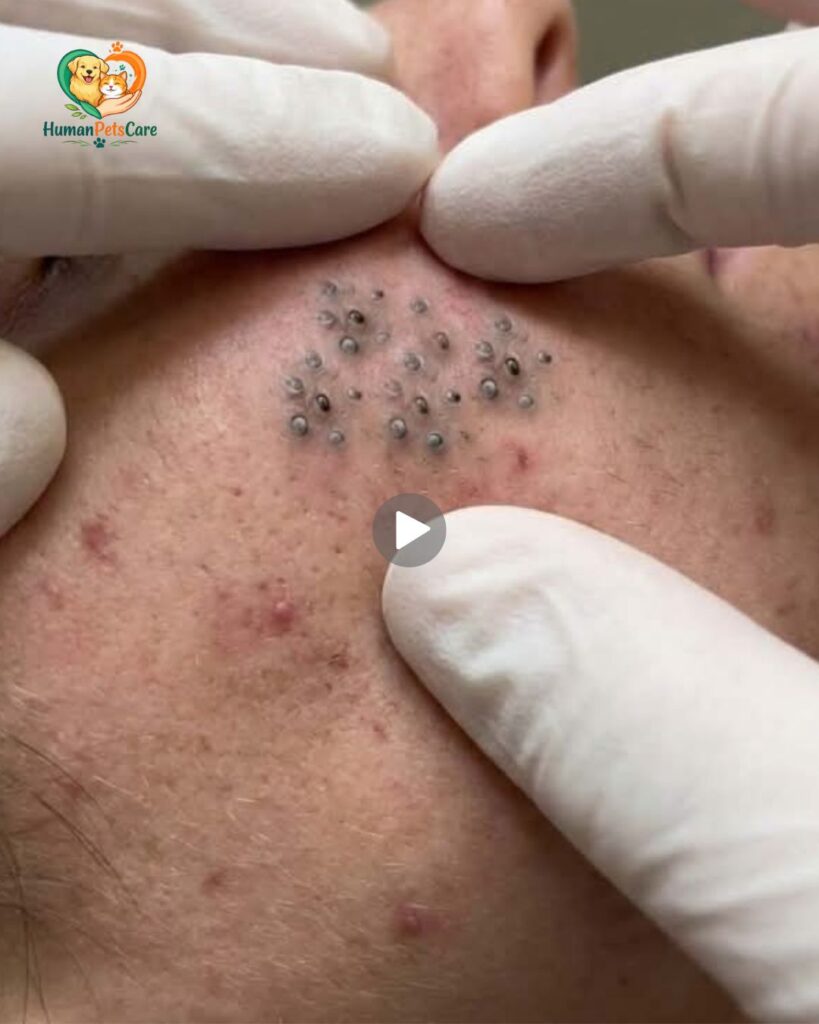
Introduction
Fungal acne is a common but often misunderstood skin condition. Many people confuse it with regular acne, which leads to incorrect treatment and worsening symptoms. Unlike bacterial acne, fungal acne is caused by an overgrowth of yeast on the skin. If not treated properly, it can become itchy, stubborn, and long-lasting.
In this detailed guide, you will learn what fungal acne is, what causes it, how to identify it, and the best treatment and prevention methods. This article is written in a clear, medical-safe, and SEO-friendly way, making it ideal for AdSense approval.
What Is Fungal Acne?
Fungal acne, medically known as Malassezia folliculitis, is a skin condition caused by yeast (fungus) that lives naturally on the skin. When this yeast grows excessively, it infects hair follicles and results in small acne-like bumps.
Unlike traditional acne:
- It is fungal, not bacterial
- It often causes itching
- It appears in clusters
- It does not respond to typical acne treatments
Fungal Acne vs Bacterial Acne
| Feature | Fungal Acne | Bacterial Acne |
|---|---|---|
| Cause | Yeast (fungus) | Bacteria |
| Itching | Common | Rare |
| Size of bumps | Same size | Different sizes |
| Whiteheads | No | Yes |
| Response to antibiotics | Worsens | Improves |
Understanding this difference is essential because treating fungal acne with acne medications can make it worse.
What Causes Fungal Acne?
Several factors can trigger fungal acne:
1. Excess Sweat
Hot and humid environments promote fungal growth, especially on the chest, back, and forehead.
2. Tight Clothing
Synthetic and tight clothes trap moisture, creating the perfect environment for fungus.
3. Overuse of Antibiotics
Antibiotics kill bacteria but allow yeast to grow freely.
4. Oily Skin
Excess oil feeds Malassezia yeast, increasing fungal acne risk.
5. Heavy Skincare Products
Products containing oils, esters, and fatty acids can worsen fungal acne.
Common Areas Affected by Fungal Acne
- Forehead
- Hairline
- Chest
- Upper back
- Shoulders
- Neck
These areas usually sweat more, making them ideal for fungal growth.
Symptoms of Fungal Acne
Fungal acne has distinct signs, including:
- Small, uniform bumps
- Red or skin-colored pimples
- Persistent itching or burning sensation
- No blackheads or whiteheads
- Sudden flare-ups after sweating
If your acne is itchy and does not improve with normal acne treatments, fungal acne may be the cause.
How Is Fungal Acne Diagnosed?
Dermatologists usually diagnose fungal acne by:
- Visual examination
- Reviewing your skincare routine
- Skin scraping (in rare cases)
Self-diagnosis should be avoided if symptoms are severe or persistent.
Best Treatments for Fungal Acne
1. Antifungal Cleansers
Look for cleansers containing:
- Ketoconazole
- Zinc pyrithione
- Selenium sulfide
These ingredients reduce fungal overgrowth safely.
2. Topical Antifungal Creams
Common antifungal treatments include:
- Ketoconazole cream
- Clotrimazole
- Ciclopirox
Apply as directed and avoid overuse.
3. Oral Antifungal Medications
In severe cases, dermatologists may prescribe oral antifungal medication. Always use under medical supervision.
Skincare Routine for Fungal Acne
Morning Routine
- Gentle, fragrance-free cleanser
- Lightweight fungal-safe moisturizer
- Oil-free sunscreen
Night Routine
- Antifungal cleanser (2–3 times per week)
- Simple moisturizer
- Avoid heavy serums and oils
Consistency is key for visible improvement.
Ingredients to Avoid in Fungal Acne
Avoid skincare products containing:
- Coconut oil
- Olive oil
- Shea butter
- Fatty acids
- Esters
- Fermented ingredients
These ingredients feed yeast and worsen fungal acne.
Fungal Acne-Safe Ingredients
Choose products with:
- Squalane
- Niacinamide
- Hyaluronic acid
- Salicylic acid (limited use)
- Zinc
Always patch test new products.
Natural Remedies for Fungal Acne
Some gentle home remedies may help:
- Tea tree oil (diluted) – antifungal properties
- Apple cider vinegar (diluted) – balances skin pH
- Aloe vera gel – soothes irritation
⚠️ Natural remedies should be used cautiously and never replace medical treatment.
Diet and Lifestyle Tips
- Reduce sugar and refined carbs
- Drink plenty of water
- Shower after sweating
- Change sweaty clothes immediately
- Avoid sharing towels
Healthy habits support faster skin recovery.
How Long Does Fungal Acne Take to Heal?
With proper treatment:
- Mild cases improve in 2–3 weeks
- Moderate cases take 4–6 weeks
- Severe cases may take longer
Stopping treatment early can cause recurrence.
Can Fungal Acne Come Back?
Yes, fungal acne can return if triggers remain. Long-term prevention includes:
- Maintaining proper hygiene
- Using fungal-safe skincare
- Avoiding excessive moisture
When to See a Dermatologist
Consult a dermatologist if:
- Acne is spreading
- Severe itching occurs
- Home treatment fails
- Scarring begins
Early treatment prevents long-term skin damage.
Frequently Asked Questions (FAQs)
Is fungal acne contagious?
No, fungal acne is not contagious.
Can I pop fungal acne pimples?
No, popping can worsen inflammation and cause infection.
Does sunscreen worsen fungal acne?
Only heavy or oily sunscreens can worsen it. Use oil-free formulas.
Can makeup cause fungal acne?
Yes, if it contains fungal-feeding ingredients.
Is fungal acne permanent?
No, it is treatable and manageable with proper care.
Final Thoughts
Fungal acne is often misdiagnosed, leading to ineffective treatments. Understanding the difference between fungal and bacterial acne is crucial for clear skin. With the right antifungal treatment, skincare routine, and lifestyle changes, fungal acne can be effectively controlled and prevented.
