

Introduction
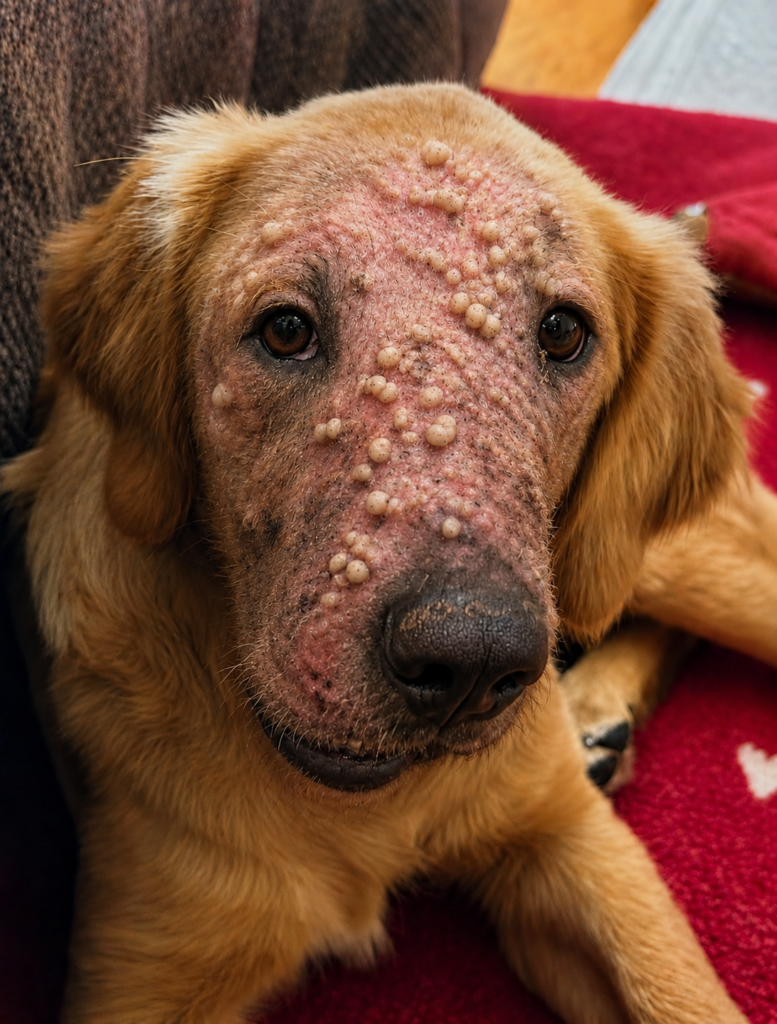
Discovering unusual bumps or wart-like growths on your dog’s skin can be frightening. Many pet owners panic when they notice clusters of raised growths on their puppy’s face, legs, or body. While some skin growths are harmless, others may indicate an infection, viral disease, or another health condition that requires veterinary attention.
Young puppies are especially vulnerable because their immune systems are still developing. Skin problems can progress quickly if left untreated, causing discomfort, irritation, and secondary bacterial infections.
This comprehensive guide explains everything you need to know about dog skin warts, their causes, symptoms, treatment options, prevention strategies, and recovery tips.
Table of Contents
- What Are Dog Skin Warts?
- Common Causes
- Types of Skin Growths in Dogs
- Symptoms
- Diagnosis
- Treatment Options
- Home Care
- Prevention Tips
- Recovery Timeline
- When to Visit a Veterinarian
- Frequently Asked Questions
- Conclusion
What Are Dog Skin Warts?
Dog skin warts are abnormal skin growths that appear as raised, rough, or cauliflower-like bumps. They may develop individually or in clusters and vary in size from a tiny bump to larger masses.
Most canine warts are caused by the Canine Papillomavirus (CPV), a virus that affects young dogs or dogs with weakened immune systems.
Although many warts are harmless and disappear naturally, others can become irritated, infected, or painful.
Common Causes of Dog Skin Warts
Several conditions can cause wart-like growths.
1. Canine Papillomavirus
This is the most common cause.
The virus spreads through direct contact with infected dogs or contaminated objects such as:
- Food bowls
- Toys
- Kennels
- Water dishes
- Grooming equipment
Young puppies are the most commonly affected.
2. Weak Immune System
Dogs recovering from illness or experiencing poor nutrition may struggle to fight viral infections.
A weak immune system increases the chance of skin growths.
3. Bacterial Skin Infection
Secondary bacterial infections can make skin lesions appear swollen, painful, and filled with pus.
4. Allergic Skin Disease
Food allergies, flea allergies, or environmental allergies may produce bumps that resemble warts.
5. Benign Skin Tumors
Not every skin growth is a wart.
Older dogs may develop:
- Sebaceous adenomas
- Lipomas
- Histiocytomas
These are usually non-cancerous.
6. Cancerous Growths
Rarely, skin growths can indicate cancer such as:
- Mast cell tumors
- Squamous cell carcinoma
- Melanoma
Any rapidly growing lump should be evaluated by a veterinarian.
Types of Dog Skin Warts
Oral Papillomas
Found around:
- Lips
- Mouth
- Tongue
- Gums
Common in puppies.
Cutaneous Papillomas
Appear on:
- Face
- Legs
- Feet
- Neck
- Abdomen
Usually rough and raised.
Pigmented Viral Plaques
Dark-colored flat lesions often seen in specific breeds.
Sebaceous Adenomas
Small wart-like bumps common in senior dogs.
Symptoms of Dog Skin Warts
Symptoms may include:
- Small raised bumps
- Cauliflower-shaped growths
- Pink or white lesions
- Hair loss around bumps
- Mild bleeding
- Itching
- Licking
- Scratching
- Redness
- Swelling
- Bad odor if infected
Dogs with oral warts may experience:
- Difficulty eating
- Drooling
- Mouth pain
- Bad breath
Are Dog Skin Warts Contagious?
Canine papillomavirus spreads easily between dogs.
However:
- It does not infect humans.
- It does not infect cats.
Keep infected puppies away from dog parks, daycare centers, and grooming facilities until the lesions have healed.
How Veterinarians Diagnose Skin Warts
Diagnosis typically involves:
Physical Examination
The veterinarian examines the appearance and location of the growth.
Fine Needle Aspiration
A small needle collects cells for microscopic examination.
Skin Biopsy
If cancer is suspected, a tissue sample is sent to a laboratory.
Blood Tests
These help evaluate your dog’s overall health before treatment.
Treatment Options for Dog Skin Warts
Treatment depends on the underlying cause.
1. Monitoring
Many puppy papillomas disappear naturally within one to five months as the immune system clears the virus.
2. Surgical Removal
Large or painful warts may require surgery.
This is recommended if the growth:
- Bleeds frequently
- Interferes with eating
- Causes discomfort
- Grows rapidly
3. Cryotherapy
Liquid nitrogen freezes the wart, causing it to fall off over time.
4. Laser Surgery
Laser treatment removes stubborn or multiple lesions with minimal bleeding.
5. Antibiotics
If a bacterial infection develops, your veterinarian may prescribe antibiotics to control the infection.
6. Immune Support
A healthy immune system plays an important role in recovery. Your veterinarian may recommend nutritional support or other therapies based on your dog’s condition.
Home Care Tips
Home care can support recovery, but it should never replace veterinary treatment.
- Keep the affected area clean and dry.
- Prevent your dog from scratching or chewing the lesion.
- Use an Elizabethan collar if needed.
- Feed a balanced, nutritious diet.
- Ensure constant access to fresh water.
- Keep bedding clean and wash it regularly.
- Follow all medication instructions from your veterinarian.
Avoid attempting to cut, squeeze, or remove warts at home, as this can lead to pain, bleeding, and infection.
Prevention Tips
While not all skin conditions are preventable, these habits can reduce the risk:
- Schedule regular veterinary checkups.
- Maintain routine vaccinations and parasite prevention.
- Feed a high-quality diet.
- Groom your dog regularly to check for new lumps or skin changes.
- Avoid contact with dogs that have visible contagious skin lesions.
- Clean toys, bowls, and bedding frequently.
- Reduce stress and provide regular exercise to support overall health.
Recovery Timeline
Recovery depends on the cause:
| Condition | Average Recovery |
|---|---|
| Viral papillomas | 1–5 months |
| Mild bacterial infection | 1–3 weeks with treatment |
| Surgical removal | 10–14 days |
| Cryotherapy | 2–4 weeks |
| Laser treatment | 1–3 weeks |
Follow-up visits may be recommended to ensure proper healing.
Possible Complications
Without proper treatment, complications may include:
- Secondary bacterial infection
- Bleeding
- Ulceration
- Pain
- Difficulty eating (if oral lesions are present)
- Spread of viral warts to other dogs
Prompt veterinary evaluation helps reduce these risks.
When to Visit a Veterinarian
Seek veterinary care if you notice:
- Rapidly growing lumps
- Persistent bleeding
- Pus or foul odor
- Severe redness or swelling
- Difficulty eating or drinking
- Multiple new growths appearing quickly
- Fever or lethargy
- Any skin mass that changes in size, color, or shape
Early diagnosis is especially important because not all skin growths are harmless.
Frequently Asked Questions (FAQs)
Are dog skin warts dangerous?
Most are benign, but some skin growths may indicate more serious conditions. A veterinarian can determine the cause.
Can dog skin warts spread to humans?
No. Canine papillomavirus is species-specific and does not spread to people.
Do dog skin warts go away on their own?
Many viral warts in young dogs resolve naturally as the immune system responds, though some may require treatment.
Can I remove a dog’s wart at home?
No. Home removal can cause injury, bleeding, or infection. Always consult a veterinarian.
Can puppies get skin warts?
Yes. Puppies are more likely to develop viral papillomas because their immune systems are still maturing.
How can I prevent dog skin problems?
Good nutrition, routine veterinary care, regular grooming, parasite control, and avoiding exposure to infected dogs can help maintain healthy skin.
Conclusion
Dog skin warts and bumps are relatively common and can have many different causes, ranging from harmless viral papillomas to infections or more serious skin diseases. Monitoring your dog’s skin, practicing good hygiene, and seeking veterinary advice when new or changing growths appear are the best ways to protect your pet’s health.
