

Introduction
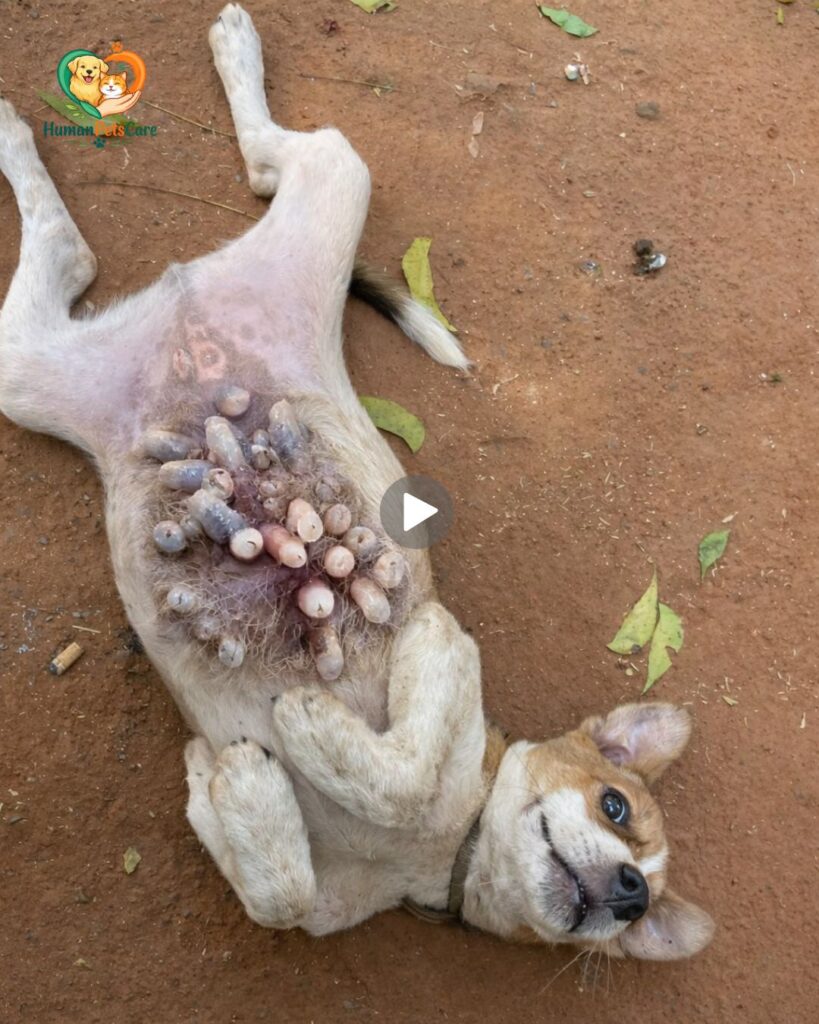
Dog maggot, medically known as myiasis, is a serious but preventable condition in dogs. It occurs when flies lay eggs on a dog’s skin or open wound, and those eggs hatch into larvae (maggots). This problem is more common in warm, humid climates and during summer or rainy seasons.
Dog maggot infection can cause pain, infection, and severe discomfort. If left untreated, it may lead to serious health complications. The good news is that with early detection, proper treatment, and good hygiene, dogs can recover fully. This article explains everything pet owners need to know about dog maggots, including causes, symptoms, safe treatment options, and prevention tips.
What Is Dog Maggot (Myiasis)?
Dog maggot infestation happens when fly larvae feed on a dog’s skin tissue. Flies are attracted to:
- Open wounds
- Moist or dirty fur
- Skin infections
- Feces or urine-soiled areas
Once eggs hatch, larvae grow quickly and worsen the infection. Myiasis is not a disease itself but a condition caused by poor wound protection and hygiene.
Common Causes of Maggots in Dogs
Understanding the causes helps prevent future infestations.
1. Open Wounds or Cuts
Uncovered wounds are the most common cause. Flies lay eggs directly on exposed skin.
2. Poor Hygiene
Dirty fur, wet skin, or urine-soaked areas attract flies.
3. Skin Infections
Existing skin problems, hot spots, or dermatitis increase risk.
4. Long or Matted Fur
Matted fur traps moisture and hides wounds, making it easy for flies to lay eggs unnoticed.
5. Weak or Sick Dogs
Elderly, injured, or immobile dogs cannot groom themselves properly.
6. Hot and Humid Weather
Fly activity increases during warm seasons, raising the risk of myiasis.
Common Areas Where Maggots Appear
Dog maggots are often found in:
- Ears
- Tail area
- Back or neck
- Paws
- Genital area
- Open wounds anywhere on the body
Hidden areas are especially vulnerable.
Symptoms of Dog Maggot Infection
Early symptoms may be mild, but they can worsen quickly.
Early Signs:
- Excessive licking or scratching
- Foul smell from skin
- Redness or swelling
- Restlessness or discomfort
Advanced Symptoms:
- Visible maggots in wound
- Severe pain
- Loss of appetite
- Fever or weakness
- Open sores with discharge
Immediate action is required if maggots are visible.
Is Dog Maggot Dangerous?
Yes, dog maggot infestation can be dangerous if not treated promptly. Complications may include:
- Severe skin damage
- Secondary bacterial infections
- Tissue death
- Blood infection (in severe cases)
However, with timely veterinary care, most dogs recover well.
Diagnosis of Dog Maggot Infection
Veterinarians usually diagnose myiasis through:
- Physical examination
- Assessing wound depth and severity
Additional tests may be done if infection has spread.
Dog Maggot Treatment Options
⚠️ Important: Home treatment alone is not recommended for severe cases. Veterinary care is essential.
1. Professional Maggot Removal
A veterinarian will:
- Remove larvae safely
- Clean the wound thoroughly
- Apply antiseptic solutions
This step is critical for healing.
2. Wound Cleaning and Dressing
After removal:
- Wounds are cleaned regularly
- Antiseptic dressings are applied
- Proper bandaging prevents re-infestation
3. Medications
Depending on severity, the vet may prescribe:
- Antibiotics
- Pain relief medication
- Anti-inflammatory drugs
Always complete the full course.
4. Shaving Around the Area
Removing surrounding hair:
- Improves visibility
- Keeps area dry and clean
- Prevents further fly contact
Supportive Home Care (After Vet Treatment)
These steps support recovery after professional treatment:
- Keep dog indoors and clean
- Change dressings as advised
- Prevent licking with an Elizabethan collar
- Maintain dry bedding
- Follow medication schedule strictly
Never apply unapproved chemicals or insecticides on wounds.
What NOT to Do
- Do not ignore bad smell or swelling
- Do not try to remove deep maggots without guidance
- Do not use kerosene, petrol, or harsh chemicals
- Do not leave wounds uncovered
Improper handling can worsen the condition.
Prevention of Dog Maggots
Prevention is the best protection against myiasis.
1. Daily Inspection
Check your dog’s skin daily, especially during warm weather.
2. Proper Grooming
- Regular brushing
- Trimming long fur
- Keeping skin clean and dry
3. Immediate Wound Care
- Clean and cover any cut or injury
- Use vet-approved antiseptics
4. Clean Living Area
- Remove waste promptly
- Keep sleeping areas dry and clean
5. Fly Control
- Use pet-safe fly repellents
- Keep surroundings hygienic
Special Care for High-Risk Dogs
Extra attention is needed for:
- Senior dogs
- Disabled or injured dogs
- Dogs with skin allergies
- Outdoor or stray dogs
Regular vet checkups are recommended.
Recovery Time and Prognosis
Recovery depends on:
- Severity of infestation
- Speed of treatment
- Dog’s overall health
Mild cases heal in 1–2 weeks, while severe cases may take longer. Early treatment greatly improves outcomes.
FAQs About Dog Maggot
Can dog maggots heal on their own?
No. Veterinary treatment is necessary.
Are maggots contagious to humans?
Direct infestation is rare, but hygiene is important.
Can indoor dogs get maggots?
Yes, if wounds are left untreated and flies have access.
How often should I check my dog?
Daily inspection is best, especially in summer.
Pet Care Disclaimer
This article is for educational purposes only and does not replace professional veterinary advice. Always consult a qualified veterinarian for diagnosis and treatment.
Conclusion
Dog maggot infestation is a serious but preventable condition. With early detection, proper veterinary treatment, and good hygiene, dogs can recover fully and live healthy lives. Responsible pet care, regular grooming, and quick wound management are the best defenses against myiasis. Paying attention to small signs can save your dog from major discomfort and health risks.
