

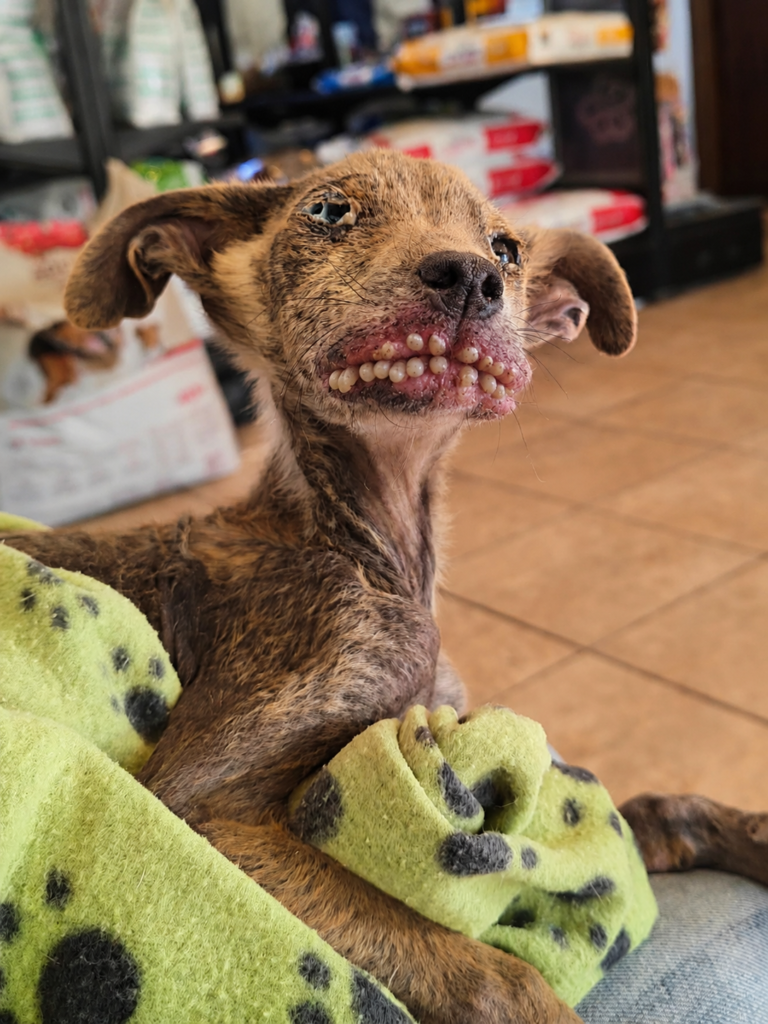
A healthy smile is just as important for dogs as it is for humans. Unfortunately, dental care is often overlooked by pet owners until their dog develops bad breath, painful gums, or difficulty eating. Dental disease is one of the most common health problems in dogs, affecting an estimated 80% of dogs over the age of three. Fortunately, regular dental care can prevent many oral health issues and help your dog live a longer, healthier life.
In this guide, you’ll learn why dog dental care matters, how to brush your dog’s teeth, signs of dental disease, preventive tips, and when to seek professional veterinary care.
Why Dog Dental Care Is Important
Your dog’s mouth is home to millions of bacteria. Without proper cleaning, plaque builds up on the teeth and hardens into tartar. Over time, this can lead to gum disease, tooth loss, painful infections, and even damage to vital organs such as the heart, kidneys, and liver.
Benefits of good dental care include:
- Fresher breath
- Healthier gums
- Stronger teeth
- Reduced risk of tooth loss
- Less pain while eating
- Lower risk of infections
- Improved overall health
- Better quality of life
Common Dental Problems in Dogs
Understanding common oral health issues helps you recognize problems early.
Plaque
Plaque is a sticky film of bacteria that forms on the teeth after eating. Daily brushing helps remove it before it hardens.
Tartar
If plaque isn’t removed, it becomes tartar, a hard deposit that can only be removed through professional dental cleaning.
Gingivitis
Gingivitis is inflammation of the gums caused by plaque and tartar buildup. Early treatment can reverse this condition.
Periodontal Disease
Periodontal disease is a serious infection affecting the gums, ligaments, and bone that support the teeth. It is the leading cause of tooth loss in adult dogs.
Broken Teeth
Dogs that chew on hard bones, rocks, or other hard objects may crack or break their teeth, causing pain and infection.
Tooth Root Abscess
An untreated infection can spread to the tooth root, leading to swelling, pain, and difficulty eating.
Signs Your Dog May Have Dental Problems
Watch for these warning signs:
- Persistent bad breath
- Yellow or brown tartar on teeth
- Red or swollen gums
- Bleeding gums
- Difficulty chewing
- Dropping food while eating
- Excessive drooling
- Pawing at the mouth
- Loose or missing teeth
- Loss of appetite
- Facial swelling
- Weight loss
If you notice any of these symptoms, schedule a veterinary examination.
How to Brush Your Dog’s Teeth
Daily brushing is the most effective way to prevent dental disease.
Step 1: Choose Dog-Safe Toothpaste
Never use human toothpaste because it contains ingredients such as fluoride and xylitol that can be harmful to dogs. Use toothpaste made specifically for dogs.
Step 2: Use the Right Toothbrush
Select a soft-bristled dog toothbrush or a finger toothbrush designed for pets.
Step 3: Introduce Brushing Gradually
Allow your dog to smell and taste the toothpaste before brushing. Start with short sessions and reward calm behavior.
Step 4: Brush Gently
Lift your dog’s lips and brush the outer surfaces of the teeth using gentle circular motions. Focus on the gumline where plaque accumulates.
Step 5: Reward Your Dog
Praise your dog and offer a healthy treat after each brushing session to create a positive experience.
How Often Should You Brush Your Dog’s Teeth?
The ideal schedule is:
- Daily brushing: Best for preventing plaque buildup
- Three to four times per week: Good if daily brushing isn’t possible
- Professional dental examinations: At least once a year
Consistency is more important than brushing occasionally.
Best Foods for Healthy Teeth
A balanced diet supports oral health.
Helpful options include:
- High-quality dry kibble
- Veterinary dental diets
- Crunchy vegetables like carrots (in moderation)
- Dental chews approved for dogs
- Fresh drinking water
Avoid giving your dog sugary foods or table scraps that encourage plaque buildup.
Dental Chews and Toys
Dental chews and chew toys can help reduce plaque between brushing sessions.
Choose products that are:
- Appropriate for your dog’s size
- Durable but not overly hard
- Recommended by veterinarians
Avoid hard items such as cooked bones, antlers, rocks, or hard nylon toys that may crack teeth.
Professional Dental Cleaning
Even with excellent home care, many dogs need professional dental cleanings.
A veterinary dental cleaning typically includes:
- Oral examination
- Dental X-rays (when needed)
- Scaling above and below the gumline
- Polishing the teeth
- Tooth extraction if necessary
Professional cleanings are performed under anesthesia to ensure a thorough and safe procedure.
Tips to Prevent Dental Disease
Keep your dog’s mouth healthy with these habits:
- Brush teeth regularly
- Offer dental chews
- Feed a balanced diet
- Schedule annual veterinary checkups
- Replace worn toothbrushes every few months
- Check your dog’s mouth weekly
- Provide clean drinking water
- Avoid very hard chewing objects
Dog Breeds More Prone to Dental Disease
Some breeds require extra dental attention, including:
- Chihuahua
- Yorkshire Terrier
- Dachshund
- Toy Poodle
- Pomeranian
- Maltese
- Shih Tzu
- Cavalier King Charles Spaniel
Small breeds often develop dental problems earlier because of crowded teeth.
Common Mistakes Dog Owners Make
Avoid these common mistakes:
- Using human toothpaste
- Waiting until bad breath develops
- Skipping regular brushing
- Ignoring bleeding gums
- Giving extremely hard chew toys
- Delaying veterinary dental cleanings
Early prevention is easier and less expensive than treating advanced dental disease.
Frequently Asked Questions
Is bad breath normal in dogs?
No. Persistent bad breath often indicates plaque buildup, gum disease, or another oral health problem.
Can dogs lose teeth from poor dental care?
Yes. Untreated periodontal disease can weaken the structures supporting the teeth, leading to tooth loss.
Are dental treats enough?
Dental treats help reduce plaque, but they do not replace regular tooth brushing.
How often should my dog have a professional dental cleaning?
Most dogs benefit from a professional dental examination every year. Your veterinarian will recommend cleaning frequency based on your dog’s age, breed, and oral health.
Final Thoughts
Good dental care is one of the simplest ways to improve your dog’s overall health and quality of life. Daily brushing, healthy nutrition, regular veterinary checkups, and professional dental cleanings work together to prevent painful dental disease. By making oral hygiene part of your dog’s routine, you can help ensure fresh breath, healthy gums, strong teeth, and many happy years together.
Investing a few minutes each day in your dog’s dental care can prevent serious health problems and keep your furry companion smiling for life.
