

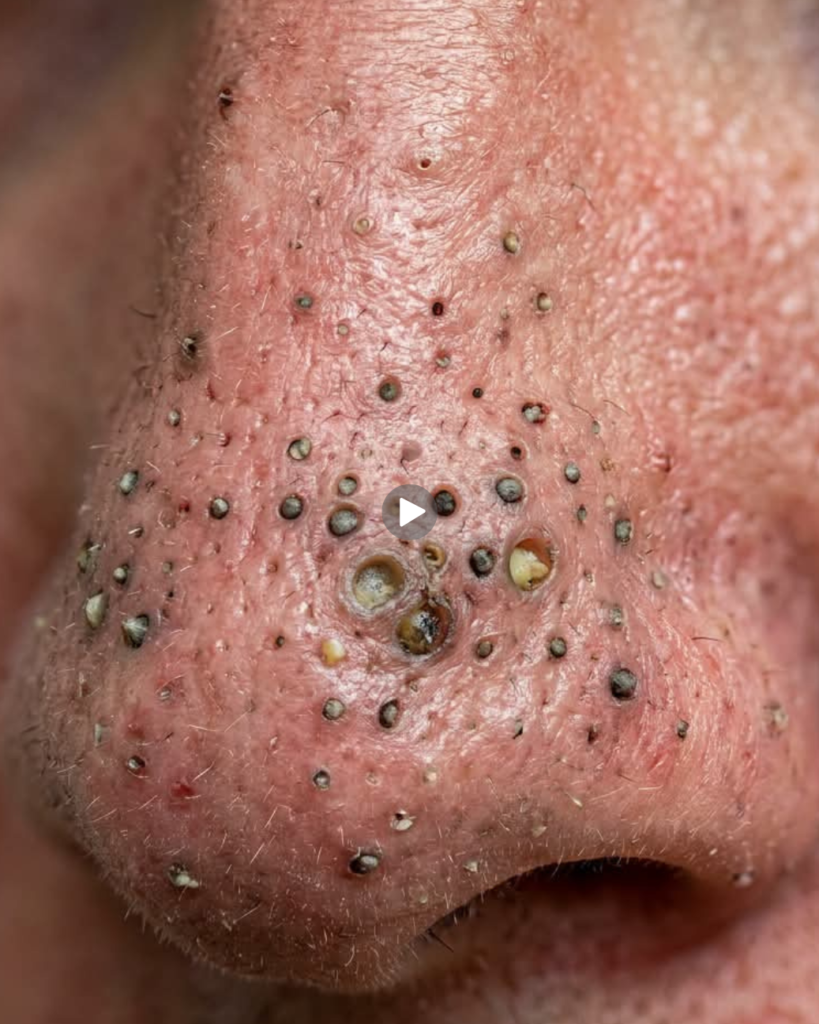
Natural skincare has become more popular than ever, and for good reason. Many kitchen ingredients contain vitamins, antioxidants, and moisturizing properties that can improve your skin without the high cost of luxury skincare products. While homemade face masks won’t replace dermatologist-prescribed treatments for serious skin conditions, they can be a great addition to your skincare routine.
The secret to successful DIY skincare is choosing ingredients backed by science and suitable for your skin type. In this guide, you’ll discover DIY face mask recipes that actually work, how to use them safely, and which ingredients provide the best results for healthy, glowing skin.
Why Choose DIY Face Masks?
Homemade face masks offer several benefits:
- Affordable and budget-friendly
- Made with natural ingredients
- Free from harsh chemicals
- Easy to prepare in minutes
- Suitable for most skin types
- Customizable according to your skincare needs
Many natural ingredients contain vitamins A, C, and E, antioxidants, healthy fats, and soothing compounds that help nourish your skin naturally.
Before You Apply Any DIY Face Mask
Before trying any homemade skincare recipe, follow these important tips:
- Wash your face with a gentle cleanser.
- Perform a patch test on your wrist or behind your ear.
- Avoid ingredients that trigger allergies.
- Never apply masks to broken or irritated skin.
- Use fresh ingredients every time.
- Apply moisturizer afterward.
1. Honey and Oatmeal Face Mask for Sensitive Skin
Ingredients
- 2 tablespoons oatmeal
- 1 tablespoon raw honey
- 1 tablespoon warm water
Instructions
Mix the oatmeal with warm water until soft. Add honey and stir into a smooth paste. Apply evenly to your face and leave it on for 15 minutes before rinsing with lukewarm water.
Benefits
Honey naturally moisturizes the skin while oatmeal helps calm irritation and reduce redness. This mask is ideal for sensitive and dry skin.
2. Yogurt and Turmeric Brightening Mask
Ingredients
- 2 tablespoons plain yogurt
- ½ teaspoon turmeric powder
- 1 teaspoon honey
Instructions
Combine all ingredients until smooth. Apply a thin layer over your face and leave it on for 10–15 minutes.
Wash thoroughly with lukewarm water.
Benefits
- Brightens dull skin
- Helps reduce acne marks
- Provides gentle exfoliation
- Leaves skin soft and smooth
Turmeric has antioxidant properties, while yogurt contains lactic acid that gently removes dead skin cells.
3. Avocado and Banana Hydrating Face Mask
Ingredients
- Half ripe avocado
- Half ripe banana
- 1 teaspoon olive oil
Instructions
Mash everything together into a creamy mixture.
Apply generously and leave for 20 minutes before rinsing.
Benefits
This mask deeply hydrates dry skin and improves skin softness thanks to healthy fats and vitamins.
Perfect for:
- Dry skin
- Mature skin
- Winter skincare
4. Clay and Aloe Vera Face Mask for Oily Skin
Ingredients
- 1 tablespoon bentonite clay
- 2 tablespoons aloe vera gel
- A few drops of water
Instructions
Mix into a smooth paste and apply evenly.
Leave for 10–15 minutes until slightly dry.
Rinse gently.
Benefits
This mask helps:
- Absorb excess oil
- Clean clogged pores
- Reduce shine
- Calm inflamed skin
Avoid letting clay masks dry completely, as they may over-dry the skin.
5. Green Tea and Honey Anti-Aging Mask
Ingredients
- 1 tablespoon cooled green tea
- 1 tablespoon honey
- 1 teaspoon rice flour
Instructions
Mix well and apply for 15 minutes.
Wash with cool water.
Benefits
Green tea is packed with antioxidants that help protect the skin from environmental damage and signs of aging.
Regular use may improve:
- Fine lines
- Skin elasticity
- Overall brightness
6. Cucumber Cooling Face Mask
Ingredients
- Half cucumber
- 2 tablespoons yogurt
Instructions
Blend cucumber until smooth.
Mix with yogurt and apply for 15 minutes.
Benefits
This refreshing mask helps:
- Reduce puffiness
- Calm irritated skin
- Cool sun-exposed skin
- Hydrate naturally
Perfect during hot summer months.
7. Coffee and Cocoa Glow Mask
Ingredients
- 1 tablespoon coffee grounds
- 1 tablespoon cocoa powder
- 2 tablespoons yogurt
Instructions
Mix into a paste.
Massage gently onto your face for one minute before leaving it on for 10 minutes.
Benefits
Coffee gently exfoliates while cocoa provides antioxidants that promote healthier-looking skin.
8. Aloe Vera and Honey Acne Mask
Ingredients
- 2 tablespoons fresh aloe vera gel
- 1 tablespoon honey
Instructions
Mix together.
Apply for 20 minutes.
Rinse with lukewarm water.
Benefits
This simple mask helps:
- Calm redness
- Hydrate acne-prone skin
- Support the skin barrier
- Soothe irritation
Best Ingredients for DIY Face Masks
Honey
- Moisturizing
- Antibacterial
- Soothing
Oatmeal
- Reduces irritation
- Gentle exfoliation
- Helps sensitive skin
Yogurt
- Natural lactic acid
- Brightens skin
- Softens texture
Aloe Vera
- Hydrates
- Soothes inflammation
- Supports healing
Avocado
- Rich in healthy fats
- Nourishes dry skin
- Improves softness
Green Tea
- Powerful antioxidants
- Protects against environmental damage
- Refreshes tired skin
Ingredients You Should Avoid
Not every popular DIY ingredient is safe.
Avoid:
- Undiluted lemon juice
- Baking soda
- Toothpaste
- Undiluted apple cider vinegar
- Harsh scrubs made from large sugar crystals or walnut shells
These may damage your skin barrier or cause irritation, burns, or increased sensitivity.
How Often Should You Use DIY Face Masks?
| Skin Type | Recommended Use |
|---|---|
| Dry Skin | 2–3 times weekly |
| Oily Skin | 2 times weekly |
| Combination Skin | 2 times weekly |
| Sensitive Skin | Once weekly |
| Normal Skin | 1–2 times weekly |
Using masks too often may lead to irritation, so moderation is key.
Tips for Better Results
For healthier skin, pair DIY masks with a consistent skincare routine:
- Cleanse twice daily.
- Wear sunscreen every morning.
- Stay hydrated.
- Eat a balanced diet rich in fruits and vegetables.
- Sleep 7–9 hours each night.
- Avoid touching your face frequently.
Consistency matters more than using many different products.
Common DIY Face Mask Mistakes
Avoid these common errors:
- Leaving masks on too long
- Mixing too many ingredients
- Using expired products
- Skipping a patch test
- Applying masks on dirty skin
- Using harsh ingredients too frequently
Simple recipes often work best.
Frequently Asked Questions
Do DIY face masks really work?
Yes. Many natural ingredients such as honey, oatmeal, aloe vera, yogurt, and avocado have moisturizing, soothing, and antioxidant properties that can improve skin appearance when used consistently. However, results are generally mild and gradual.
Can I use homemade face masks every day?
Daily use is usually unnecessary. Most people benefit from applying DIY face masks one to three times per week, depending on their skin type.
Which DIY face mask is best for glowing skin?
A yogurt, honey, and turmeric mask is a popular choice for enhancing brightness and leaving the skin feeling soft and refreshed.
Are DIY face masks safe for acne-prone skin?
Some are. Aloe vera, honey, and oatmeal are generally gentle options. Avoid harsh or acidic ingredients that may worsen irritation. If you have persistent acne, consult a dermatologist.
How long should I leave a DIY face mask on?
Most homemade masks should stay on the skin for about 10–20 minutes before rinsing with lukewarm water.
Conclusion
DIY face mask recipes can be a simple and affordable way to support healthy skin using everyday ingredients. While they aren’t miracle treatments, masks made with honey, oatmeal, yogurt, aloe vera, avocado, and green tea can help moisturize, soothe, and brighten the skin when used regularly and safely.
Choose recipes that match your skin type, perform a patch test before trying new ingredients, and remember that good skincare also includes cleansing, moisturizing, sunscreen, healthy eating, and adequate sleep. With patience and consistency, these natural face masks can become a valuable part of your skincare routine and help you achieve healthier, more radiant skin.
