

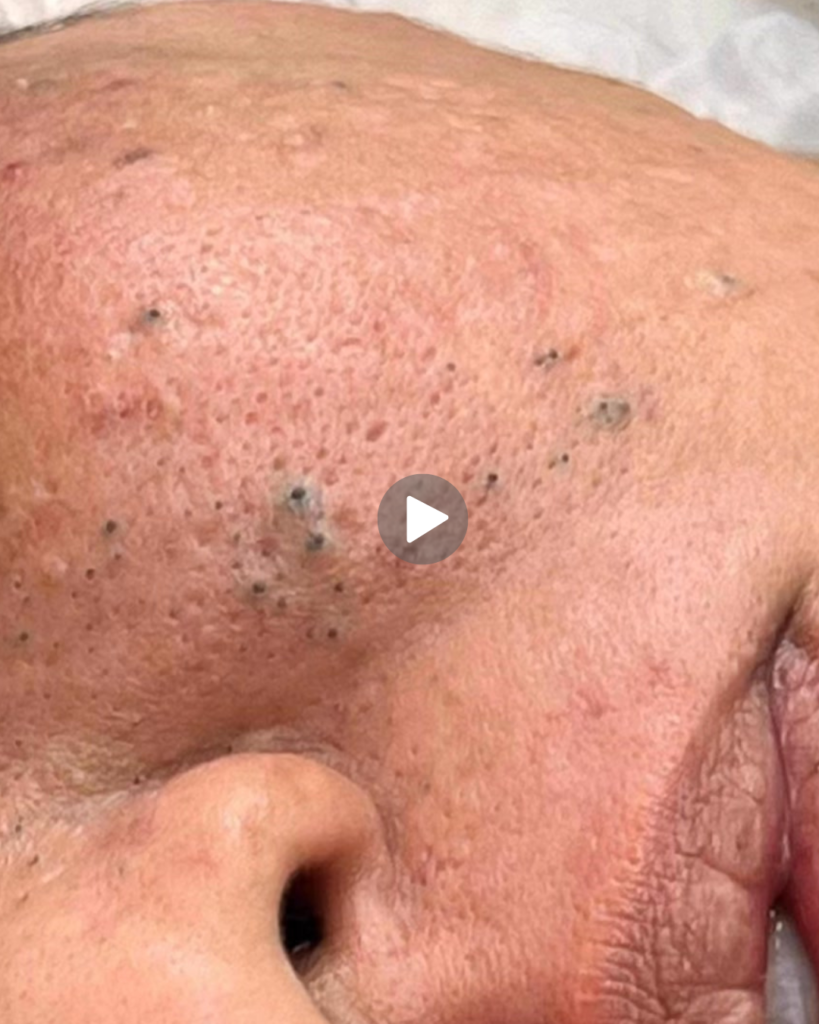
Dark pore spots, commonly known as blackheads, are one of the most widespread skin concerns affecting people of all ages. As clearly visible in the image, these darkened pores appear prominently on areas such as the nose, cheeks, and surrounding facial skin. They create an uneven texture, make the skin look dull, and often lower self-confidence. Understanding what dark pore spots are, why they form, and how to treat them correctly is the first step toward healthier, clearer skin.
What Are Dark Pore Spots?
Dark pore spots are open pores filled with excess oil (sebum), dead skin cells, and impurities. When this material is exposed to air, it oxidizes and turns dark, giving blackheads their characteristic appearance. Unlike pimples, blackheads are not inflamed, but when left untreated, they can lead to acne, irritation, and permanent pore enlargement.
In the image, the skin shows multiple dark pore spots clustered around the nose and cheek area. This is a common location because these areas contain a higher concentration of oil-producing glands.
Common Causes of Dark Pore Spots
Several factors contribute to the formation of dark pore spots. Understanding these causes helps prevent future breakouts.
1. Excess Oil Production
Overactive sebaceous glands produce excess oil, which easily clogs pores. Oily and combination skin types are more prone to dark pore spots.
2. Dead Skin Cell Buildup
When dead skin cells are not shed properly, they mix with oil and block pores, creating dark spots on the skin’s surface.
3. Improper Skincare Routine
Skipping cleansing, over-cleansing, or using harsh products can disturb the skin barrier, worsening pore congestion.
4. Hormonal Changes
Hormonal fluctuations during puberty, pregnancy, or stress increase oil production, leading to more visible dark pores.
5. Environmental Pollution
Dust, smoke, and pollution settle on the skin and mix with oil, accelerating pore blockage.
6. Use of Comedogenic Products
Heavy makeup, greasy creams, or pore-clogging skincare products contribute significantly to dark pore formation.
How Dark Pore Spots Affect Skin Appearance
As seen in the image, dark pore spots make the skin look uneven, rough, and aged. Enlarged pores become more noticeable, and makeup often settles into them, making them harder to cover. Over time, untreated blackheads can stretch pores permanently, leading to long-term texture issues.
Additionally, when blackheads become inflamed, they can turn into painful acne, leaving behind scars and pigmentation.
Difference Between Dark Pore Spots and Other Acne Types
It is important to distinguish dark pore spots from other skin concerns:
- Dark pore spots (blackheads): Open pores with oxidized debris
- Whiteheads: Closed pores filled with oil and dead skin
- Pimples: Inflamed, red bumps with bacteria involvement
- Sebaceous filaments: Natural oil lining pores (often mistaken for blackheads)
The image specifically shows dark pore spots rather than inflamed acne, indicating clogged but non-infected pores.
Effective Treatments for Dark Pore Spots
Treating dark pore spots requires consistency and the right combination of skincare practices.
1. Gentle Cleansing
Use a mild cleanser twice daily to remove oil, dirt, and pollutants without stripping natural moisture. Look for ingredients like salicylic acid that penetrate pores.
2. Regular Exfoliation
Exfoliating 2–3 times a week helps remove dead skin cells. Chemical exfoliants such as AHAs and BHAs are more effective than harsh scrubs.
3. Clay and Charcoal Masks
These masks absorb excess oil and pull impurities from pores, visibly reducing dark spots over time.
4. Retinoids
Retinoids speed up cell turnover, prevent pore blockage, and improve skin texture. Regular use helps minimize pore size.
5. Professional Treatments
Dermatological treatments like chemical peels, microdermabrasion, and laser therapy offer deeper pore cleansing and long-term improvement.
Natural Remedies That Can Help
While professional care is effective, some natural methods can support skin health:
- Steam therapy: Opens pores and loosens debris
- Aloe vera: Soothes skin and regulates oil
- Green tea: Reduces inflammation and controls sebum
- Honey: Acts as a natural antibacterial agent
Natural remedies should be used carefully and consistently for visible results.
Mistakes to Avoid When Treating Dark Pore Spots
Many people worsen their skin by making common mistakes:
- Squeezing or picking blackheads, causing scars
- Using harsh scrubs daily
- Skipping moisturizer (even oily skin needs hydration)
- Overusing pore strips, which can damage skin elasticity
The image reflects what happens when pores remain congested over time without proper care.
Prevention Tips for Clearer Skin
Preventing dark pore spots is easier than treating them:
- Cleanse your face daily
- Always remove makeup before sleeping
- Use non-comedogenic skincare products
- Apply sunscreen to protect skin texture
- Maintain a healthy diet and stay hydrated
Consistency in skincare plays a major role in keeping pores clean and less visible.
When to See a Dermatologist
If dark pore spots persist despite regular care, or if they worsen into acne, consulting a dermatologist is recommended. Professional evaluation ensures the right treatment plan based on skin type and severity.
Final Thoughts
Dark pore spots are a common but manageable skin concern. As shown in the image, they can significantly affect skin texture and appearance when left untreated. With proper cleansing, exfoliation, targeted treatments, and lifestyle changes, it is possible to reduce their appearance and prevent future congestion.
