

Introduction
Acne is one of the most common skin conditions affecting millions of people worldwide. While many people view acne as a temporary cosmetic problem, its effects often go much deeper than the skin. For teenagers and adults alike, persistent acne can affect confidence, self-esteem, social interactions, and even mental health. One important question many people ask is: Can acne cause depression?
The answer is yes. Research has shown that severe or long-lasting acne can contribute to feelings of sadness, anxiety, low self-esteem, and depression. Understanding the connection between acne and mental health is essential for finding the right treatment and support.
In this article, we will explore how acne affects mental health, the signs of acne-related depression, and effective ways to manage both skin and emotional well-being.
What Is Acne?
Acne is a skin condition that occurs when hair follicles become clogged with oil, dead skin cells, and bacteria. It commonly appears on the face, chest, back, and shoulders.
Common types of acne include:
- Whiteheads
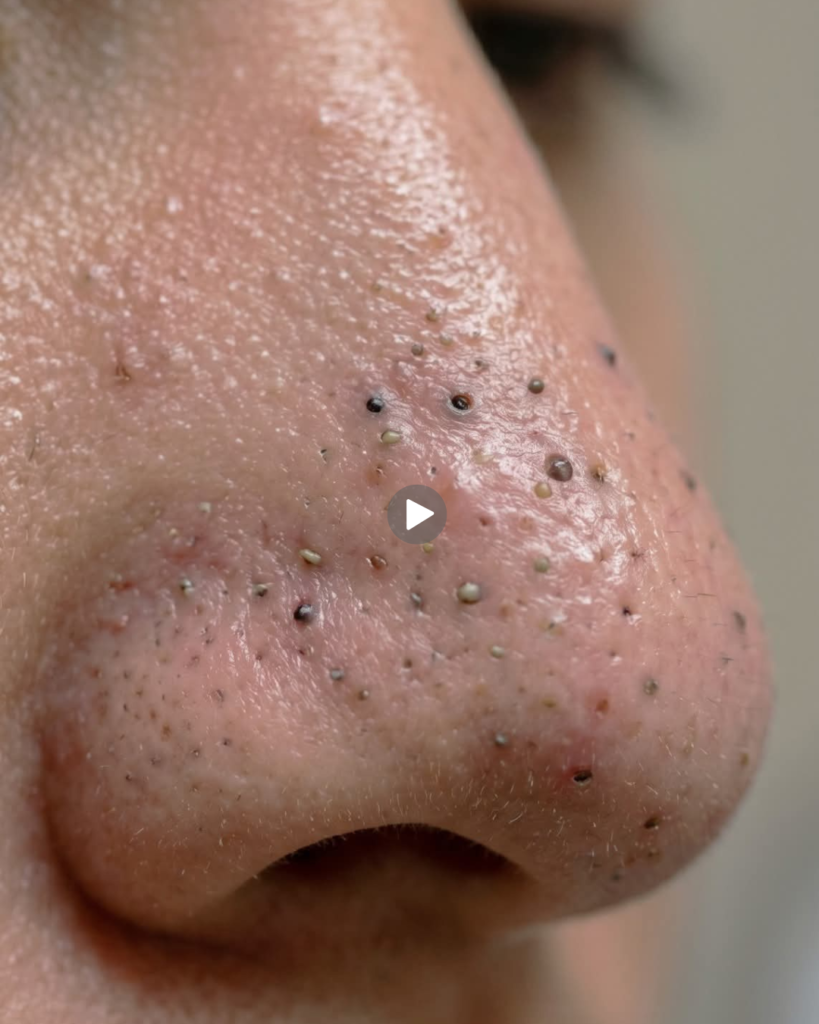
- Blackheads
- Papules
- Pustules
- Nodules
- Cystic acne
Acne can affect people of all ages, but it is especially common during adolescence due to hormonal changes.
The Connection Between Acne and Depression
Many people underestimate the emotional burden of acne. Since the face is often the first thing people notice, visible acne can make individuals feel self-conscious and embarrassed.
How Acne Affects Mental Health
Acne can lead to:
- Low self-confidence
- Negative self-image
- Social withdrawal
- Anxiety in public settings
- Feelings of loneliness
- Emotional stress
- Depression
People with severe acne may avoid social events, photographs, school activities, or workplace interactions because they feel uncomfortable about their appearance.
Why Acne Can Lead to Depression
1. Reduced Self-Esteem
Acne can make individuals feel unattractive or less confident. When people constantly worry about their appearance, they may develop negative thoughts about themselves.
2. Social Anxiety
Many acne sufferers fear being judged by others. This can result in avoiding conversations, social gatherings, and public appearances.
3. Bullying and Criticism
Teenagers and young adults with acne may experience teasing, bullying, or unwanted comments about their skin. Repeated criticism can damage emotional well-being and increase the risk of depression.
4. Chronic Stress
Acne often takes weeks or months to improve. Constantly dealing with breakouts and failed treatments can create frustration and emotional exhaustion.
5. Acne Scars
Even after acne heals, scars can remain. Acne scars may continue to affect confidence and self-image long after active breakouts disappear.
Signs of Acne-Related Depression
Not everyone with acne develops depression, but some warning signs should never be ignored.
Common symptoms include:
- Persistent sadness
- Loss of interest in activities
- Low energy levels
- Difficulty concentrating
- Sleep problems
- Feelings of hopelessness
- Increased irritability
- Social isolation
- Changes in appetite
- Negative thoughts about appearance
If these symptoms continue for more than two weeks, professional support may be beneficial.
Scientific Evidence Linking Acne and Depression
Numerous studies have found a strong connection between acne and mental health issues.
Researchers have discovered that individuals with moderate to severe acne are more likely to experience:
- Depression
- Anxiety disorders
- Low self-esteem
- Psychological distress
The emotional impact is not always related to acne severity. Even mild acne can cause significant emotional suffering in some people.
This shows that mental health support is just as important as treating the skin condition itself.
Who Is Most at Risk?
Certain groups may be more vulnerable to acne-related depression.
Teenagers
Teen years are a critical period for self-identity and social acceptance. Acne during adolescence can significantly impact confidence.
Young Adults
Young adults often face social, academic, and professional pressures. Visible acne may increase stress and insecurity.
Women
Hormonal acne can persist into adulthood. Many women report emotional distress related to recurring breakouts.
People with Severe Acne
Cystic acne and widespread breakouts are often associated with greater emotional challenges.
The Impact of Social Media
Social media has created unrealistic beauty standards. Many images are edited or filtered, making flawless skin appear normal.
People with acne may compare themselves to these unrealistic standards and feel inadequate.
Constant exposure to perfect-looking skin can contribute to:
- Lower self-esteem
- Body image concerns
- Anxiety
- Depression
Remember that most people experience skin imperfections at some point in their lives.
Can Treating Acne Improve Mental Health?
Yes. Successful acne treatment often leads to significant improvements in emotional well-being.
Benefits may include:
- Increased confidence
- Better self-image
- Reduced social anxiety
- Improved mood
- Greater willingness to participate in social activities
Seeking treatment early can help prevent both physical scars and emotional distress.
Effective Acne Treatment Options
1. Gentle Skincare Routine
A simple skincare routine can help manage acne.
Tips include:
- Wash your face twice daily
- Use non-comedogenic products
- Avoid harsh scrubbing
- Moisturize regularly
- Wear sunscreen daily
2. Over-the-Counter Treatments
Common acne-fighting ingredients include:
- Salicylic acid
- Benzoyl peroxide
- Sulfur
- Niacinamide
3. Prescription Medications
A dermatologist may recommend:
- Topical retinoids
- Antibiotics
- Hormonal treatments
- Oral isotretinoin
4. Professional Procedures
Some individuals benefit from:
- Chemical peels
- Laser treatments
- Microneedling
- Acne scar treatments
Managing the Emotional Effects of Acne
Treating acne alone may not completely address emotional concerns.
Practice Self-Compassion
Remember that acne does not define your worth or attractiveness.
Limit Social Media Comparison
Reduce exposure to unrealistic beauty content when it negatively affects your mood.
Stay Connected
Spend time with supportive friends and family members who value you beyond your appearance.
Focus on Healthy Habits
Healthy lifestyle choices can improve both skin and mental health.
Examples include:
- Regular exercise
- Balanced nutrition
- Adequate sleep
- Stress management
Seek Professional Support
If acne is significantly affecting your mental health, consider speaking with a mental health professional.
Therapy can help you:
- Build self-confidence
- Manage negative thoughts
- Reduce anxiety
- Improve emotional resilience
When to See a Doctor
You should seek medical advice if:
- Acne is severe or painful
- Home treatments are not working
- Acne causes scarring
- You feel depressed or anxious because of your skin
- You have thoughts of self-harm
Early treatment can improve both skin health and emotional well-being.
Frequently Asked Questions
Can mild acne cause depression?
Yes. Even mild acne can affect self-esteem and emotional health, especially in people who are highly concerned about their appearance.
Does acne-related depression go away?
Many people experience improved mental health when their acne is effectively treated and emotional support is provided.
Can stress make acne worse?
Yes. Stress can increase inflammation and hormone fluctuations, potentially worsening acne breakouts.
Should I see a dermatologist for acne?
If acne is persistent, severe, or causing emotional distress, consulting a dermatologist is highly recommended.
Conclusion
Acne is much more than a skin condition. For many individuals, it can have a profound impact on confidence, self-esteem, and mental health. The relationship between acne and depression is real, and the emotional effects should never be ignored.
Fortunately, effective acne treatments and mental health support can make a significant difference. By addressing both the physical and emotional aspects of acne, individuals can improve their skin, regain confidence, and enjoy a better quality of life.
If acne is affecting your emotional well-being, remember that help is available. Seeking professional treatment for both your skin and mental health can be an important step toward recovery and self-confidence.
