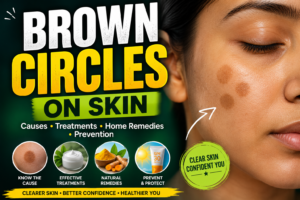

Brown circles on the skin can appear unexpectedly and leave many people wondering whether they are harmless or a sign of an underlying skin condition. These circular brown patches may develop on the face, arms, legs, back, or other parts of the body. In some cases, they are caused by excess melanin, while in others they may result from fungal infections, eczema, aging, or previous skin injuries.
Although most brown circles are not dangerous, they can affect your confidence and may occasionally require medical evaluation. Understanding what causes these marks is the first step toward choosing the right treatment.
In this complete guide, you’ll learn about the most common causes of brown circles on the skin, available treatment options, natural remedies, prevention tips, and when it’s time to consult a dermatologist.
Table of Contents
- What Are Brown Circles on Skin?
- Common Causes
- Symptoms
- Risk Factors
- Medical Treatments
- Home Remedies
- Prevention Tips
- When to See a Doctor
- Frequently Asked Questions
- Final Thoughts
What Are Brown Circles on Skin?
Brown circles on the skin are round or oval patches that appear darker than the surrounding skin. Their size can range from a few millimeters to several centimeters, and they may be flat or slightly raised.
Some brown circles are completely harmless and fade over time, while others may persist for months or even years. Depending on the cause, they may also be itchy, dry, flaky, or completely symptom-free.
These spots commonly appear on:
- Face
- Neck
- Arms
- Hands
- Legs
- Chest
- Back
- Shoulders
The appearance of brown circles varies depending on skin type, age, sun exposure, and the underlying condition.
Common Causes of Brown Circles on Skin
1. Post-Inflammatory Hyperpigmentation (PIH)
One of the most common causes is post-inflammatory hyperpigmentation. This occurs after the skin heals from acne, insect bites, burns, cuts, allergic reactions, or eczema.
When the skin becomes inflamed, it produces extra melanin, leaving behind dark brown circular patches.
Symptoms
- Flat brown spots
- Smooth texture
- No pain
- May fade gradually over several months
2. Sun Damage
Excessive exposure to ultraviolet (UV) rays stimulates melanin production. Over time, this can lead to round brown spots known as sun spots or age spots.
People over the age of 40 are more likely to develop these spots, but younger individuals who spend a lot of time outdoors without sunscreen can also experience them.
Risk Factors
- Frequent outdoor activities
- Tanning beds
- Lack of sunscreen
- Fair skin
- Aging
3. Fungal Skin Infections
Certain fungal infections can create circular patches that initially appear red before turning brown as they heal.
The affected area may become:
- Itchy
- Dry
- Flaky
- Scaly
Ring-shaped fungal infections often have a clearer center with a darker border.
4. Eczema
People with eczema often develop dark patches after repeated scratching or inflammation.
These brown circles may remain long after the eczema flare-up has healed.
The darker the skin tone, the more noticeable post-inflammatory pigmentation can become.
5. Aging
As skin ages, pigment-producing cells become unevenly distributed. This can cause multiple brown circles or patches, especially on areas exposed to the sun.
Common locations include:
- Hands
- Face
- Forearms
- Shoulders
These spots are generally harmless but may become more noticeable over time.
Symptoms of Brown Circles on Skin
Brown circles can vary depending on the underlying cause.
Common symptoms include:
- Round or oval dark patches
- Light brown to dark brown color
- Smooth or rough texture
- Itching (in fungal infections or eczema)
- Dryness
- Mild scaling
- No pain in most cases
- Gradual increase in size in some conditions
Some people notice only one brown circle, while others develop several patches across different parts of the body.
Who Is Most at Risk?
Anyone can develop brown circles on the skin, but the risk is higher if you:
- Spend long hours in the sun
- Have darker skin tones
- Frequently experience acne or eczema
- Have diabetes
- Are over 40 years old
- Have a family history of pigmentation disorders
- Use harsh skincare products
- Have frequent skin injuries or insect bites
Recognizing these risk factors can help you take preventive steps before new pigmentation develops.
Medical Treatments, Home Remedies, and Skincare Routine
Now that you understand the common causes of brown circles on the skin, let’s explore the most effective ways to reduce their appearance. The best treatment depends on the underlying cause, your skin type, and how long the spots have been present.
Medical Treatments for Brown Circles on Skin
If brown circles persist for several months or continue to spread, a dermatologist may recommend professional treatment.
1. Hydroquinone Cream
Hydroquinone is one of the most commonly prescribed skin-lightening ingredients for hyperpigmentation. It works by reducing the production of melanin, the pigment responsible for dark spots.
Benefits
- Fades stubborn pigmentation
- Helps even out skin tone
- Effective for post-inflammatory hyperpigmentation
- Often shows results within 8–12 weeks
Note: Hydroquinone should only be used as directed by a healthcare professional because long-term use may cause skin irritation.
2. Retinoids
Retinoids, including prescription tretinoin and over-the-counter retinol, increase skin cell turnover. As new skin cells replace older pigmented ones, brown circles gradually fade.
Benefits
- Improves skin texture
- Reduces pigmentation
- Helps treat acne scars
- Stimulates collagen production
Always apply retinoids at night and use sunscreen during the day, as they can make your skin more sensitive to sunlight.
3. Vitamin C Serums
Vitamin C is a powerful antioxidant that brightens the skin and helps reduce excess melanin production.
Benefits
- Brightens dull skin
- Reduces dark spots
- Protects against environmental damage
- Supports collagen production
Look for serums containing 10–20% vitamin C for the best balance of effectiveness and skin tolerance.
4. Chemical Peels
Dermatologists often recommend chemical peels for stubborn pigmentation. These treatments remove damaged outer layers of skin, revealing healthier skin underneath.
Common peeling acids include:
- Glycolic acid
- Lactic acid
- Salicylic acid
- Mandelic acid
Several sessions may be required for noticeable improvement.
5. Laser Therapy
Laser treatments target excess pigment directly, making them effective for persistent brown circles that don’t respond to topical products.
Laser therapy may help:
- Age spots
- Sun spots
- Post-inflammatory pigmentation
- Certain birthmarks
Because laser treatments can be costly and require professional evaluation, they are usually reserved for more resistant cases.
Best Skincare Ingredients for Brown Circles
When shopping for skincare products, look for ingredients known to improve uneven pigmentation:
- Vitamin C
- Niacinamide
- Azelaic Acid
- Alpha Arbutin
- Kojic Acid
- Tranexamic Acid
- Retinol
- Licorice Root Extract
- Glycolic Acid
- Hyaluronic Acid (for hydration)
Combining brightening ingredients with daily sunscreen often delivers the best long-term results.
Home Remedies That May Help
While home remedies are generally less potent than medical treatments, some may support overall skin health and gradually improve mild discoloration.
Aloe Vera Gel
Pure aloe vera contains compounds that may help soothe the skin and reduce post-inflammatory pigmentation.
How to use:
- Apply fresh aloe vera gel.
- Leave it on for 20–30 minutes.
- Rinse with lukewarm water.
- Repeat once daily.
Turmeric and Yogurt Mask
Turmeric has anti-inflammatory properties, while yogurt contains lactic acid, a gentle natural exfoliant.
Directions:
- Mix 1 teaspoon turmeric with 2 tablespoons plain yogurt.
- Apply to clean skin.
- Leave for 15 minutes.
- Rinse thoroughly.
Use 1–2 times per week.
Green Tea Extract
Green tea is rich in antioxidants that may help reduce inflammation and protect the skin from oxidative stress.
You can:
- Use skincare products containing green tea.
- Apply cooled green tea bags to the affected area.
- Drink green tea regularly as part of a healthy lifestyle.
Oatmeal Mask
If your brown circles are related to eczema or irritation, colloidal oatmeal may help calm inflamed skin.
Mix finely ground oatmeal with water to form a paste, apply for 15 minutes, then rinse gently.
Daily Skincare Routine
Consistency is essential when treating pigmentation.
Morning Routine
- Gentle cleanser
- Vitamin C serum
- Moisturizer
- Broad-spectrum SPF 30 or higher sunscreen
Evening Routine
- Gentle cleanser
- Retinol or another dermatologist-recommended treatment (if appropriate)
- Moisturizer
Avoid scrubbing the skin aggressively, as irritation can worsen pigmentation.
Foods That Support Healthy Skin
A balanced diet can help maintain healthy skin and support its natural repair processes.
Include foods rich in:
- Vitamin C (oranges, strawberries, kiwi)
- Vitamin E (almonds, sunflower seeds)
- Omega-3 fatty acids (salmon, walnuts, flaxseeds)
- Zinc (pumpkin seeds, beans, seafood)
- Vitamin A (carrots, sweet potatoes, spinach)
- Antioxidants (berries, leafy greens)
Staying hydrated by drinking enough water each day also supports overall skin health.
Prevention, When to See a Doctor, FAQs, and Final Thoughts
Treating brown circles on the skin is only part of the solution. Preventing new spots from forming is just as important. With proper skincare, sun protection, and healthy lifestyle habits, you can significantly reduce the risk of future pigmentation.
How to Prevent Brown Circles on Skin
1. Wear Sunscreen Every Day
One of the best ways to prevent brown circles is to protect your skin from ultraviolet (UV) rays. Sun exposure can worsen existing pigmentation and trigger new dark spots.
Choose a broad-spectrum sunscreen with SPF 30 or higher and apply it every morning, even on cloudy days. Reapply every two hours if you are outdoors.
2. Avoid Picking or Scratching Your Skin
Picking at acne, insect bites, or scabs can lead to post-inflammatory hyperpigmentation (PIH). Allow your skin to heal naturally to reduce the risk of permanent dark marks.
3. Keep Your Skin Moisturized
Healthy, hydrated skin has a stronger protective barrier and is less prone to irritation. Use a fragrance-free moisturizer suitable for your skin type to help maintain moisture and reduce inflammation.
4. Use Gentle Skincare Products
Harsh scrubs, strong soaps, or products containing high amounts of alcohol can irritate the skin and increase pigmentation.
Instead, choose products that are:
- Non-comedogenic
- Fragrance-free (if you have sensitive skin)
- pH-balanced
- Dermatologist-tested
5. Treat Skin Conditions Early
Conditions such as eczema, fungal infections, acne, and allergic reactions should be treated promptly. Early treatment helps reduce inflammation and lowers the chance of dark marks developing afterward.
6. Maintain a Healthy Lifestyle
Healthy habits support your skin’s natural healing process.
Aim to:
- Eat a balanced diet rich in fruits and vegetables.
- Stay hydrated.
- Get 7–9 hours of sleep each night.
- Exercise regularly.
- Avoid smoking.
- Limit excessive alcohol consumption.
When Should You See a Doctor?
Many brown circles are harmless, but you should consult a healthcare professional or dermatologist if you notice any of the following:
- The spot grows rapidly.
- It changes in color, shape, or border.
- It bleeds, crusts, or does not heal.
- It becomes painful or swollen.
- It itches severely or spreads quickly.
- Home treatment does not improve it after several months.
- You develop many new brown spots without a clear cause.
Early evaluation is important because, in rare cases, changes in skin pigmentation can be associated with more serious skin conditions.
Frequently Asked Questions (FAQ)
Are brown circles on the skin dangerous?
Most brown circles are harmless and are caused by pigmentation, sun damage, or previous skin inflammation. However, any spot that changes rapidly in appearance or has unusual features should be evaluated by a healthcare professional.
Can brown circles disappear naturally?
Yes. Some brown circles, especially those caused by minor skin injuries or inflammation, gradually fade over several months. Others may require topical treatments or professional care.
Which cream is best for brown circles on the skin?
Products containing ingredients such as vitamin C, niacinamide, azelaic acid, alpha arbutin, retinol, or kojic acid may help reduce the appearance of pigmentation. The most appropriate treatment depends on the underlying cause and your skin type.
Can home remedies remove brown circles completely?
Home remedies may help improve mild discoloration, but they usually work more slowly than evidence-based medical treatments. Results vary from person to person, and scientific evidence for some natural remedies is limited.
How long does it take for brown circles to fade?
Mild pigmentation may improve within 8–12 weeks, while deeper or long-standing pigmentation can take several months. Consistent skincare, daily sunscreen use, and appropriate treatment are key to seeing improvement.
Can stress cause brown circles on the skin?
Stress does not directly create brown circles, but it can worsen skin conditions such as acne or eczema, which may later lead to post-inflammatory hyperpigmentation.
Final Thoughts
Brown circles on the skin are a common concern and can result from a variety of causes, including post-inflammatory hyperpigmentation, sun exposure, aging, eczema, and certain fungal infections. While most cases are not serious, understanding the underlying cause is essential for choosing the most effective treatment.
A consistent skincare routine, daily sun protection, and ingredients such as vitamin C, niacinamide, retinoids, and azelaic acid can help improve uneven skin tone over time. Healthy lifestyle habits, including a nutritious diet and proper hydration, also support your skin’s natural repair process.
If a brown spot changes in size, color, shape, or becomes painful, seek evaluation from a qualified healthcare professional. Early diagnosis can help rule out more serious conditions and ensure appropriate treatment.
With patience, proper skincare, and preventive measures, many people can successfully reduce the appearance of brown circles and maintain healthier, more even-looking skin.