
Healthy, strong nails are more than a beauty feature. Your fingernails can sometimes provide clues about your overall nutrition and health. If your nails are brittle, peeling, splitting, thin, or growing slowly, you may wonder whether a nail growth supplement can help.
The supplement market offers countless products marketed for stronger nails, often containing ingredients such as biotin, collagen, zinc, iron, vitamin D, and other vitamins and minerals.
But which nutrients actually matter?
The answer depends partly on your diet and whether you have a nutritional deficiency. Supplements are most useful when they correct an inadequate intake or deficiency. Taking large amounts of vitamins does not necessarily make healthy nails grow dramatically faster.
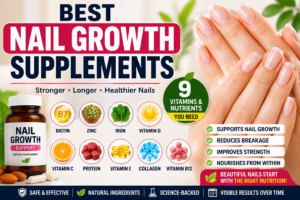
In this guide, we’ll look at 9 important vitamins and nutrients for nail health, how they may help, who may benefit, and what to consider before choosing a nail supplement.
1. Biotin
Biotin, also known as vitamin B7, is probably the most famous ingredient in nail growth supplements.
Biotin plays an important role in normal metabolism and helps the body process nutrients. It is commonly included in supplements marketed for hair, skin, and nail health.
Some small studies have reported improvements in nail thickness or brittleness among people taking biotin, particularly in individuals with brittle nails. However, this does not mean that everyone with healthy nails will experience faster growth from taking high-dose biotin.
Biotin may be worth considering if you have:
- Brittle or splitting nails
- A diet low in biotin-containing foods
- A confirmed or suspected nutritional deficiency
- Certain health conditions affecting nutrient absorption
Foods naturally containing biotin include eggs, nuts, seeds, legumes, fish, and some vegetables.
Important warning
High-dose biotin supplements can interfere with certain laboratory tests, including some tests used to evaluate the heart and thyroid. Always tell your healthcare professional that you take biotin before having blood tests.
2. Iron
Iron is another important nutrient to consider when discussing brittle nails and nail health.
Iron is needed to make hemoglobin, which carries oxygen throughout the body. Iron deficiency can affect many aspects of health and may sometimes be associated with nail changes.
People who are more likely to develop iron deficiency include some menstruating women, pregnant people, people with certain gastrointestinal conditions, and individuals whose diets do not provide enough iron.
However, iron should not be taken casually in high doses.
Good dietary sources include:
- Lean meat
- Seafood
- Beans
- Lentils
- Spinach
- Fortified cereals
- Tofu
If you have unusually brittle nails along with fatigue, weakness, pale skin, dizziness, or other symptoms, talk to a healthcare professional about whether blood testing is appropriate.
3. Zinc
Zinc is an essential mineral involved in numerous biological processes, including normal cell growth and immune function.
Because nails are continuously growing tissue, adequate nutrition is important for maintaining normal nail structure.
A zinc deficiency can cause various skin and nail problems, although deficiency is not the most common explanation for ordinary nail breakage.
Zinc-rich foods include:
- Oysters
- Beef
- Chicken
- Pumpkin seeds
- Chickpeas
- Dairy products
- Beans
A balanced diet can often provide sufficient zinc.
If you’re considering a zinc supplement for nail growth, avoid taking excessive amounts. Long-term high zinc intake can interfere with copper absorption and cause other health problems.
4. Vitamin D
Vitamin D is another nutrient frequently found in beauty and wellness supplements.
Vitamin D is important for bone health, immune function, and other physiological processes. Although it is often marketed as a solution for hair and nail problems, there is not enough evidence to conclude that vitamin D supplements will automatically make healthy nails grow faster.
However, if someone has a vitamin D deficiency, correcting that deficiency can be important for overall health.
Sources of vitamin D include:
- Sunlight exposure
- Fatty fish
- Egg yolks
- Fortified foods
- Vitamin D supplements when medically appropriate
If you suspect a deficiency, a healthcare professional can determine whether testing or supplementation is appropriate.
5. Collagen
Collagen supplements have become extremely popular in the beauty industry.
Collagen is a structural protein found throughout the body and is particularly important for skin, connective tissue, bones, and other structures.
Many collagen supplements for hair, skin, and nails contain hydrolyzed collagen peptides, which are broken down into smaller components.
Although collagen is heavily marketed for beauty benefits, evidence specifically showing that collagen supplements significantly accelerate nail growth is still limited.
Nevertheless, getting enough protein is important for overall tissue maintenance.
Before buying collagen supplements, consider:
- Protein content
- Ingredient quality
- Added sugars
- Artificial ingredients
- Third-party testing
- Serving size
- Cost per serving
Collagen can be an optional part of a wellness routine, but it should not replace a balanced diet.
6. Vitamin C
Vitamin C is best known for its role in immune function, but it also contributes to collagen production and helps the body absorb non-heme iron from plant foods.
Because both collagen formation and adequate iron status can be relevant to overall health, vitamin C is a useful nutrient to include in a balanced diet.
Excellent food sources include:
- Oranges
- Kiwi
- Strawberries
- Bell peppers
- Broccoli
- Tomatoes
- Guava
Most people can get plenty of vitamin C through food.
A supplement may be useful in specific situations, but taking extremely high doses does not necessarily improve nail growth.
7. Vitamin B12
Vitamin B12 is essential for red blood cell formation, neurological function, and DNA synthesis.
People following vegan or vegetarian diets may have a higher risk of B12 deficiency because naturally occurring B12 is primarily found in animal-derived foods.
Certain gastrointestinal conditions and medications can also affect B12 absorption.
While B12 is not a magic nail growth vitamin, correcting a deficiency is important for overall health.
Sources include:
- Meat
- Fish
- Eggs
- Dairy
- Fortified plant-based foods
- B12 supplements
If your diet is low in animal products, discuss appropriate B12 intake with a healthcare professional or registered dietitian.
8. Vitamin E
Vitamin E is an antioxidant that helps protect cells from oxidative damage.
It is found naturally in foods such as:
- Almonds
- Sunflower seeds
- Avocados
- Spinach
- Vegetable oils
- Hazelnuts
Vitamin E is frequently included in beauty supplements and nail formulas.
However, more is not always better. High-dose vitamin E supplements can have risks, including an increased risk of bleeding in certain circumstances.
For most people, getting vitamin E from a balanced diet is a sensible approach unless supplementation has been recommended for a specific reason.
9. Protein and Amino Acids
Although protein is not technically a vitamin or mineral, it deserves a place on any list of best nutrients for nail growth.
Nails are largely made of keratin, a tough structural protein. Your body needs adequate dietary protein to support normal tissue maintenance.
If your overall protein intake is too low, improving your diet may be more important than purchasing an expensive nail supplement.
High-quality protein sources include:
- Eggs
- Fish
- Chicken
- Lean meat
- Greek yogurt
- Cottage cheese
- Beans
- Lentils
- Tofu
- Tempeh
- Nuts and seeds
Rather than relying entirely on beauty gummies, make sure your everyday diet provides adequate protein and a variety of nutrients.
Best Nail Growth Supplements: What Should You Look For?
When shopping for a nail growth supplement, don’t choose a product simply because it has the longest ingredient list.
Look for a formula that provides reasonable amounts of nutrients rather than extremely high doses.
Important factors include:
1. Ingredient transparency
Choose products that clearly list the amount of each active ingredient.
2. Third-party testing
Independent testing can provide additional information about product quality and purity.
3. Avoid unnecessary megadoses
More vitamins do not automatically mean better nail growth.
4. Consider your diet
If you already eat a balanced diet, you may not need a large collection of supplements.
5. Check medication interactions
Some supplements can interfere with medications or laboratory tests.
6. Consider your specific deficiency risk
A supplement should address an actual nutritional need whenever possible.
How Long Does It Take for Nail Growth Supplements to Work?
Don’t expect overnight results.
Fingernails grow slowly, and the visible portion of a nail reflects growth that occurred over time.
If a nutritional deficiency is contributing to poor nail health, correcting the deficiency may help improve nail quality. However, the timeline depends on the underlying cause and how quickly the nail grows.
It can take several months to see substantial changes in the appearance of a fingernail because the entire nail needs time to grow out.
This is why consistency matters more than taking extremely high doses.
Can Supplements Make Nails Grow Faster?
Sometimes—but the answer depends on the reason your nails are weak or slow-growing.
If your diet is deficient in a nutrient that your body needs for normal nail development, correcting that deficiency can support healthier nail growth.
But if you already receive adequate nutrition, taking additional supplements may provide little or no extra benefit.
Slow nail growth can also be related to:
- Nail trauma
- Frequent manicures
- Nail biting
- Harsh chemicals
- Excessive water exposure
- Certain medications
- Skin conditions
- Hormonal changes
- Nutritional deficiencies
- Medical conditions
Therefore, the best approach is to identify the cause rather than automatically taking multiple supplements.
Natural Ways to Support Nail Growth
Supplements are only one part of nail care.
You can also support stronger nails by following these habits:
Keep nails moisturized
Use a hand cream or cuticle moisturizer regularly, especially after washing your hands.
Protect nails from water and chemicals
Wear gloves when cleaning or washing dishes for extended periods.
Avoid aggressive manicures
Repeated filing, buffing, or harsh nail treatments can weaken nails.
Don’t bite or pick your nails
This can cause trauma and increase the risk of infection.
Eat enough protein
Include protein-rich foods in your meals.
Eat a variety of foods
A diverse diet is more beneficial than relying on one supplement.
Give nails time to recover
If your nails have become thin after repeated gel manicures or acrylic treatments, taking a break may help reduce additional damage.
When Should You See a Doctor About Nail Problems?
Not every nail problem is caused by a vitamin deficiency.
See a healthcare professional or dermatologist if you notice:
- Sudden changes in nail color
- Thickened nails
- Nails separating from the nail bed
- Persistent nail pain
- Swelling around the nail
- Dark streaks that are new or changing
- Severe nail splitting
- Multiple nails changing at once
- Nail changes accompanied by other symptoms
A dermatologist can determine whether the problem is related to trauma, infection, a skin condition, nutritional deficiency, or another medical issue.
Frequently Asked Questions About Nail Growth Supplements
What is the best vitamin for nail growth?
Biotin is one of the most popular nutrients marketed for nail growth, but it is not a universal solution. Adequate iron, zinc, vitamin D, B12, vitamin C, protein, and other nutrients are also important for overall health.
Do biotin supplements really make nails grow faster?
Biotin may help certain people with brittle nails, particularly when intake is inadequate, but evidence does not show that high-dose biotin dramatically accelerates nail growth in everyone.
What supplements are best for brittle nails?
Depending on the underlying cause, nutrients such as biotin, iron, zinc, vitamin D, and adequate protein may be relevant. The best choice depends on your diet and health status.
How long should I take nail vitamins?
There is no universal timeframe. Because nails grow slowly, noticeable changes can take months. Follow the product’s directions and discuss long-term supplementation with a healthcare professional when appropriate.
Can collagen supplements strengthen nails?
Collagen supplements are widely marketed for beauty benefits, but evidence specifically demonstrating major improvements in nail growth is limited. Adequate overall protein intake remains important.
Final Thoughts
The best nail growth supplements are not necessarily the products with the most ingredients or the highest doses.
Healthy nails depend on adequate nutrition, good nail care, hydration, protection from trauma, and overall health. Nutrients such as biotin, iron, zinc, vitamin D, vitamin C, vitamin B12, vitamin E, collagen, and protein can all have a role in a healthy diet and, in some circumstances, supplementation.
However, supplements work best when they address a genuine nutritional need. Taking excessive amounts of vitamins or minerals can sometimes cause side effects or interfere with medications and laboratory tests.
If your nails are suddenly changing, becoming painful, severely brittle, discolored, or separating from the nail bed, don’t assume that you simply need a nail vitamin. A medical evaluation can help identify the actual cause.
For most people, the foundation of stronger nails is simple: eat a balanced diet, get enough protein, protect your nails from damage, moisturize regularly, and use supplements strategically rather than excessively.