
10 Best Foods and Beverages for Glowing, Healthy Skin
Healthy, glowing skin starts with more than a good skincare routine. The foods and beverages you consume every day can also play an important role in maintaining your skin’s hydration, elasticity, and natural appearance. A balanced diet rich in vitamins, minerals, healthy fats, and antioxidants can help nourish your skin from within and support its natural repair process.
Fruits, vegetables, nuts, seeds, beans, and fatty fish contain nutrients that support collagen production, help protect skin cells from oxidative stress, and maintain a healthy skin barrier. Although no single food can eliminate wrinkles or guarantee flawless skin, making nutritious choices consistently can contribute to healthier-looking skin over time.
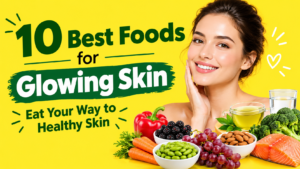
If you want to improve your skin naturally, adding the right foods to your daily meals is a practical place to start. In this guide, we explore the 10 best foods and beverages for glowing, healthy skin, explain their potential benefits, and share simple ways to include them in your diet.
1. Red Bell Peppers: A Vitamin C Powerhouse
Red bell peppers are among the best vegetables for supporting healthy skin because they contain plenty of vitamin C. This essential nutrient helps your body produce collagen, a structural protein that gives skin its firmness and elasticity.
As collagen production naturally changes with age, getting enough vitamin C through your diet becomes an important part of maintaining healthy skin. Vitamin C also acts as an antioxidant, helping protect cells against damage caused by free radicals.
Red bell peppers contain carotenoids, including capsanthin, which give them their bright color. These plant compounds contribute to the antioxidant content of the vegetable.
You can enjoy red bell peppers raw in salads, sliced with hummus, or cooked in soups, stir-fries, and roasted vegetable dishes. Other excellent vitamin C sources include oranges, strawberries, kiwi, and broccoli.
Skin benefits:
- Supports natural collagen production.
- Helps maintain skin firmness and elasticity.
- Provides antioxidants that protect cells from oxidative stress.
- Contributes to overall skin health.
However, vitamin C-rich foods do not replace sunscreen. Daily sun protection remains essential for preventing premature skin aging.
2. Blackberries: Antioxidants for Skin Health
Blackberries are delicious fruits that provide several nutrients beneficial to the skin. They contain vitamin C, dietary fiber, and polyphenols, which are plant compounds with antioxidant properties.
Antioxidants help protect cells from oxidative stress caused by environmental factors, including pollution and ultraviolet radiation. Although eating blackberries cannot prevent all sun-related skin damage, including antioxidant-rich fruits in a balanced diet can support your body’s natural defenses.
Vitamin C also contributes to collagen formation, helping maintain the normal structure of the skin. Adequate nutrition supports healthy skin, although there is limited evidence that eating blackberries specifically can remove scars or wrinkles.
Blackberries are easy to add to breakfast or snacks. Mix them into oatmeal, blend them into smoothies, or combine them with plain yogurt and nuts for a nutrient-rich meal.
Skin benefits:
- Supplies vitamin C for collagen production.
- Provides antioxidant plant compounds.
- Supports general skin health.
- Adds fiber and essential nutrients to your diet.
Fresh or frozen blackberries can both be nutritious options. Choose unsweetened varieties when possible to avoid unnecessary added sugar.
Youtube Video
3. Carrots: Beta-Carotene for a Healthy Glow
Carrots are well known for their beta-carotene content. Beta-carotene is a plant pigment that your body can convert into vitamin A, a nutrient necessary for normal cell growth, immune function, and skin maintenance.
Vitamin A plays an important role in maintaining healthy skin cells. Carrots also provide antioxidants that help protect cells from oxidative damage.
Eating carrots regularly as part of a balanced diet can help you obtain the nutrients your skin needs. However, carrots should not be considered a treatment for acne, and their benefits depend on your overall nutritional intake.
Beta-carotene may also contribute to a subtle warm tone in the skin when consumed regularly. Eating extremely large quantities of beta-carotene-rich foods can cause carotenemia, a generally harmless condition in which the skin develops a yellow-orange appearance. The color typically fades after reducing excessive intake.
Carrots can be eaten raw, steamed, roasted, or added to soups and salads. Pairing them with a small amount of healthy fat, such as olive oil, can help your body absorb fat-soluble carotenoids.
Skin benefits:
- Provides beta-carotene, which the body converts into vitamin A.
- Supports normal skin cell development.
- Supplies antioxidant nutrients.
- Contributes to a balanced, skin-supporting diet.
4. Edamame: Plant Protein for Skin Elasticity
Edamame consists of young green soybeans that are rich in plant protein, fiber, vitamins, minerals, and isoflavones. Isoflavones are naturally occurring plant compounds that have some estrogen-like activity in the body.
Hormonal changes during menopause can contribute to skin dryness and reduced elasticity. Some research suggests that soy isoflavones may help improve aspects of skin hydration and elasticity, although results vary and more research is needed.
Soy foods are also a valuable source of protein. Your body uses amino acids from protein to build and repair tissues, including the structural components that support healthy skin.
Edamame can be enjoyed as a snack or added to salads, grain bowls, and vegetable dishes. Other nutritious soy foods include tofu, tempeh, and unsweetened soy milk.
Skin benefits:
- Provides protein needed for tissue maintenance.
- Contains plant compounds being studied for potential skin benefits.
- Supports a balanced diet rich in essential nutrients.
- Offers a plant-based alternative to some animal protein sources.
Eating edamame will not instantly remove wrinkles, but it can be a useful addition to a varied diet that supports long-term skin health.
5. Grapes: Plant Compounds That Support Healthy Skin
Grapes contain several beneficial plant compounds, including polyphenols and resveratrol. These substances have antioxidant properties and are being studied for their potential role in protecting cells from oxidative stress.
Resveratrol is especially associated with grapes and some other plant foods. Laboratory research has investigated its potential effects on inflammation and skin aging, but evidence that eating grapes directly prevents wrinkles, dark spots, or skin cancer remains limited.
Grapes also contain water, making them a refreshing addition to a hydrating diet. They provide natural sweetness and can replace some highly processed snacks.
Enjoy fresh grapes on their own, freeze them for a refreshing snack, or add them to fruit salads. You can also include other polyphenol-rich foods, such as blueberries, strawberries, and red cabbage, in your meals.
Skin benefits:
- Supplies antioxidant plant compounds.
- Contributes to daily fluid intake.
- Provides nutrients as part of a balanced diet.
- Offers a convenient alternative to many sugary processed snacks.
Remember that grapes and other antioxidant-rich foods cannot replace proven sun-protection measures.
6. Almonds: Vitamin E for Skin Protection
Almonds are an excellent source of vitamin E, a fat-soluble antioxidant that helps protect cell membranes from oxidative damage. Vitamin E also plays a role in maintaining normal skin function.
Almonds provide healthy unsaturated fats, protein, fiber, and other important nutrients. These nutrients make them a valuable choice for people who want to support their overall health while maintaining a balanced diet.
Some research has explored whether regular almond consumption may improve certain visible signs of skin aging, including wrinkles and pigmentation. However, these findings should not be interpreted as a guarantee that almonds will produce the same results for everyone.
A small handful of unsalted almonds makes an easy snack. You can also sprinkle chopped almonds over oatmeal, blend almond butter into smoothies, or add them to homemade trail mix.
Skin benefits:
- Provides vitamin E with antioxidant properties.
- Supplies healthy fats that support overall nutrition.
- Contributes to a balanced diet for healthy skin.
- Offers a convenient source of plant-based protein and fiber.
Although almonds contain nutrients that may support skin health, they do not provide enough protection to replace sunscreen or protective clothing.
7. Salmon: Omega-3 Fatty Acids for Skin Health
Salmon is one of the most nutritious foods you can include in a skin-supporting diet. It provides high-quality protein, omega-3 fatty acids, vitamin D, and other nutrients involved in normal body function.
Omega-3 fatty acids help regulate inflammatory processes in the body. They are important for overall health and may be relevant to certain inflammatory skin conditions. However, eating salmon alone is not a proven treatment for acne, eczema, or psoriasis.
Salmon also contains astaxanthin, a naturally occurring antioxidant pigment that gives the fish its characteristic pink color. Research has investigated astaxanthin for potential effects on skin hydration and elasticity, but the strength of evidence varies.
Protein is another important component of salmon. Your body needs adequate protein to maintain and repair tissues, including the skin.
For a balanced meal, bake or grill salmon and serve it with broccoli, brown rice, or a fresh vegetable salad. Other sources of omega-3 fats include sardines, mackerel, walnuts, chia seeds, and flaxseeds.
Skin benefits:
- Provides omega-3 fatty acids.
- Supplies protein for normal tissue maintenance.
- Contains vitamin D, which supports several essential body functions.
- Contributes to a nutrient-rich diet that supports overall health.
If you do not eat fish, plant-based omega-3 sources can help diversify your diet, although they provide different forms of omega-3 fatty acids.
8. Broccoli: Nutrients for a Strong Skin Barrier
Broccoli is a nutrient-dense vegetable that supplies vitamin C, fiber, folate, and other beneficial plant compounds. These nutrients support general health and contribute to the nutritional foundation needed for normal skin function.
Broccoli also contains sulforaphane, a compound produced from glucosinolates when the vegetable is chopped or chewed. Researchers have studied sulforaphane for its antioxidant and cellular protective properties.
Some studies have examined topical broccoli-derived compounds and their potential effects on skin exposed to ultraviolet radiation. However, these findings do not establish that eating broccoli prevents sunburn or eliminates the need for sunscreen.
The vitamin C in broccoli is particularly relevant to skin health because it supports collagen synthesis. A varied diet containing broccoli alongside other vegetables and fruits can help you meet your nutritional needs.
Steam broccoli lightly, roast it with olive oil, or add it to soups, pasta, and stir-fries. Avoid overcooking it if you want to preserve its texture and make it more enjoyable to eat regularly.
Skin benefits:
- Supplies vitamin C for collagen production.
- Provides antioxidants and beneficial plant compounds.
- Supports normal tissue maintenance.
- Adds fiber and important micronutrients to your diet.
9. Water: Hydration for Healthy-Looking Skin
Water is essential for nearly every function in the human body, including temperature regulation, circulation, and normal cellular processes. Staying adequately hydrated is an important part of maintaining overall health.
Severe dehydration can affect skin elasticity and make the skin appear less supple. However, drinking extra water beyond your body’s needs does not necessarily eliminate dryness, fine lines, or wrinkles.
Skin hydration also depends on factors such as weather, bathing habits, skin-barrier health, and the use of moisturizers. People with dry skin may need a combination of adequate fluid intake and an appropriate skincare routine.
Your hydration needs depend on your activity level, climate, health, and other individual factors. Water-rich foods, such as cucumbers, watermelon, oranges, and soups, can also contribute to daily fluid intake.
Tips for staying hydrated:
- Drink water regularly throughout the day.
- Increase fluid intake when heat or physical activity increases your needs.
- Include water-rich fruits and vegetables in your meals.
- Use a suitable moisturizer to help reduce moisture loss from the skin.
Water is an essential part of a healthy lifestyle, but it should not be viewed as a standalone treatment for skin problems.
10. Green Tea: Antioxidants for a Healthy Complexion
Green tea contains polyphenols, including epigallocatechin gallate (EGCG), which has antioxidant and anti-inflammatory properties. Researchers have investigated these compounds for their potential effects on skin health.
Some studies suggest that green tea extracts may influence skin hydration, elasticity, and responses to environmental stress. However, many studies use concentrated extracts or specific preparations, so their findings cannot automatically be applied to drinking an ordinary cup of green tea.
Green tea can still be a healthy beverage choice because it provides fluid and contains beneficial plant compounds. It generally contains less caffeine than coffee, although the amount varies depending on how it is prepared.
Enjoy green tea plain or with a small amount of lemon. If you are sensitive to caffeine, consider drinking it earlier in the day or choosing a decaffeinated version.
Skin benefits:
- Provides antioxidant polyphenols.
- Contributes to daily hydration.
- Offers a low-calorie beverage option when consumed without added sugar.
- Fits easily into a balanced eating pattern.
Avoid taking high-dose green tea extracts solely for skin benefits without professional advice. Concentrated supplements can have side effects, including rare cases of liver injury.
Foods That May Negatively Affect Skin Health
Just as nutritious foods can support your skin, certain eating patterns may contribute to skin concerns in some people. The effects vary depending on individual sensitivity, portion sizes, and overall diet.
1. Refined Carbohydrates
White bread, sugary cereals, pastries, and other refined carbohydrates can raise blood glucose quickly. Some research links high-glycemic diets with acne, possibly because of their effects on insulin and related hormonal pathways.
You do not need to eliminate all carbohydrates. Instead, choose more whole grains, beans, vegetables, and other fiber-rich foods.
2. Excessively Salty Foods
Chips, packaged snacks, and highly salted meals can contribute to temporary fluid retention. This may make the face appear puffy, particularly after consuming a large amount of sodium.
Choosing fresh foods more often and checking food labels can help you manage your sodium intake.
3. Processed Meats
Bacon, sausages, and deli meats can contain high amounts of sodium and preservatives. Limiting processed meats is generally consistent with a healthy eating pattern, although claims that these foods directly cause skin cancer or skin flare-ups require careful interpretation.
4. Dairy Products
Some observational studies suggest an association between cow’s milk consumption and acne, particularly in certain groups. However, dairy does not cause breakouts in everyone.
If you suspect milk affects your skin, keep track of your symptoms and discuss persistent acne with a healthcare professional before making major dietary changes.
5. Fried and Highly Processed Foods
French fries, doughnuts, and many packaged snacks may contain substantial amounts of refined carbohydrates, sodium, and calories. Eating them frequently in place of nutrient-rich foods can make it harder to maintain a balanced diet.
The oil in fried food does not automatically cause acne, and the relationship between diet and breakouts is more complex than that.
6. Excessive Alcohol
Alcohol can contribute to dehydration and may trigger facial flushing in some people. It can also aggravate rosacea symptoms in susceptible individuals.
Limiting alcohol or avoiding it if it triggers your symptoms may help you maintain better overall health.
Additional Tips for Naturally Healthy Skin
Eating nutritious foods is only one part of a healthy skincare routine. Several everyday habits can help maintain your skin’s appearance and protect it from environmental damage.
Wear Sunscreen Every Day
Ultraviolet radiation contributes to premature skin aging, pigmentation changes, wrinkles, and skin cancer. Use a broad-spectrum sunscreen with SPF 30 or higher, apply it as directed, and reapply when needed. Protective clothing, sunglasses, and shade provide additional protection.
Use a Gentle Cleanser
Harsh cleansers and excessive washing can damage the skin barrier and contribute to dryness or irritation. Choose a gentle cleanser suited to your skin type and avoid scrubbing your face aggressively.
Moisturize Regularly
A suitable moisturizer helps reduce water loss and supports the skin barrier. People with dry skin may benefit from fragrance-free creams containing ingredients such as glycerin, ceramides, or hyaluronic acid.
Avoid Very Hot Water
Long, hot showers can strip natural oils from the skin. Use lukewarm water and apply moisturizer after bathing to help retain moisture.
Get Enough Sleep
Sleep supports normal body functions, including tissue repair. Establishing a consistent sleep schedule can contribute to overall well-being and may help you maintain healthier daily habits.
Manage Stress
Stress can aggravate some skin conditions, including acne and eczema, in certain people. Regular physical activity, relaxation techniques, and sufficient rest can help manage stress levels.
Avoid Smoking
Smoking exposes the body to harmful chemicals and is associated with premature skin aging. Avoiding tobacco is an important step toward protecting your skin and overall health.
Frequently Asked Questions
Which fruit is best for glowing skin?
There is no single best fruit for everyone. Strawberries, oranges, blackberries, kiwi, and papaya provide vitamin C and other beneficial nutrients. Watermelon and grapes also contribute fluid and plant compounds. Eating a variety of fruits is generally more beneficial than relying on one particular food.
What foods help skin repair and recovery?
Foods containing protein, vitamin C, zinc, and other essential nutrients help support normal tissue maintenance and wound healing. Examples include eggs, fish, beans, lentils, citrus fruits, bell peppers, nuts, and seeds. Persistent wounds or skin infections need appropriate medical care rather than dietary treatment alone.
Can food increase collagen in the skin?
Your body produces collagen naturally, and vitamin C is essential for this process. Protein-rich foods provide amino acids used to build body tissues. A balanced diet containing fish, eggs, beans, fruits, and vegetables helps provide the nutrients needed for normal collagen production. However, eating collagen-supporting foods does not guarantee visibly firmer skin.
How long does it take for diet changes to improve skin?
The timeline varies depending on your nutritional status, skin concerns, genetics, and skincare habits. Dietary changes are not an instant solution, and visible results may take weeks or longer. Some conditions, including persistent acne, may require targeted treatments from a healthcare professional.
Is drinking water enough to make skin glow?
No. Drinking enough water helps prevent dehydration, but extra water does not automatically remove wrinkles or cure dry skin. Healthy-looking skin depends on several factors, including genetics, sun exposure, nutrition, sleep, and skincare. Moisturizer and sunscreen remain important parts of a basic routine.
Can I get healthy skin without expensive skincare products?
Yes. A balanced diet, gentle cleansing, regular moisturizing, and consistent sun protection can provide a strong foundation for skin health. Expensive products are not always necessary. Choose products based on your skin’s needs, and seek professional advice for persistent or severe skin concerns.
Final Thoughts
Healthy, glowing skin begins with consistent habits rather than one miracle ingredient. Red bell peppers, blackberries, carrots, edamame, grapes, almonds, salmon, broccoli, water, and green tea can all contribute to a nutrient-rich lifestyle that supports normal skin function.
These foods provide vitamins, minerals, healthy fats, protein, and antioxidants that help maintain skin structure and protect cells from oxidative stress. However, no food can guarantee wrinkle-free skin, eliminate acne, or replace appropriate medical treatment.
For the best results, focus on a balanced diet that includes a variety of fruits, vegetables, whole grains, beans, nuts, seeds, and healthy protein sources. Combine good nutrition with adequate hydration, regular moisturizing, sufficient sleep, and daily sun protection.
By building these habits into your routine, you can support your skin’s long-term health while improving your overall well-being. Healthy skin is not about achieving perfection; it is about nourishing your body, protecting your skin, and following a routine you can maintain over time.