

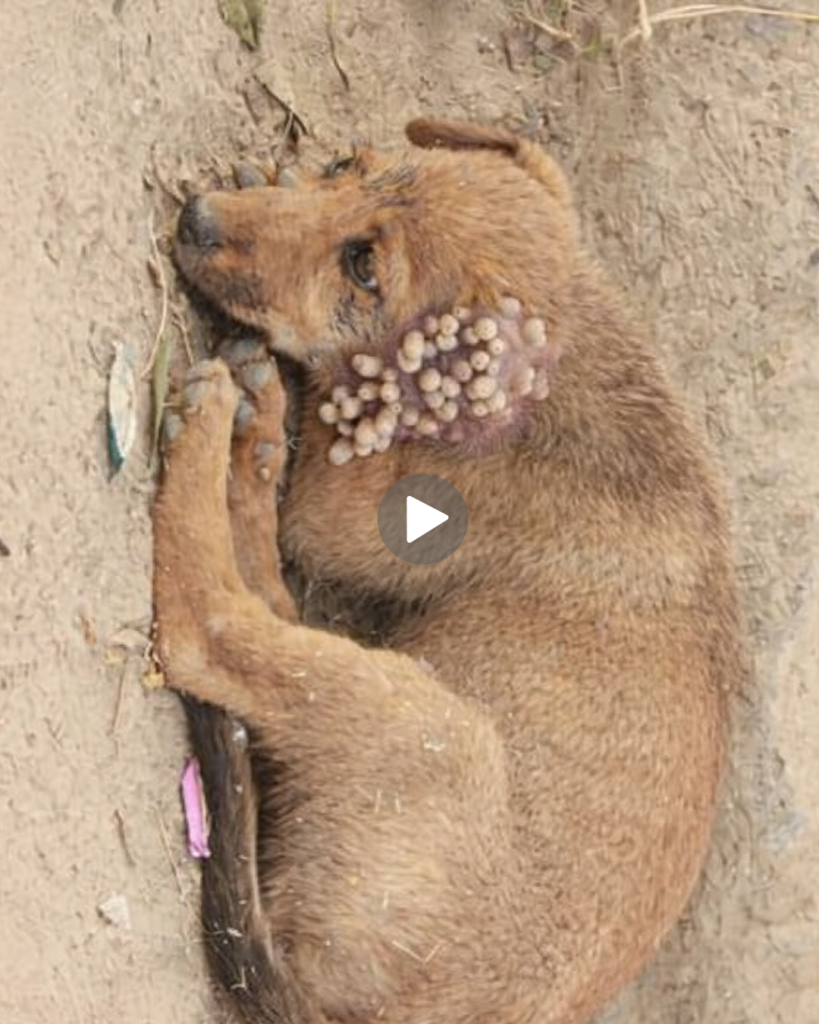
Street dogs are one of the most vulnerable living beings in urban and rural environments. The image above painfully captures the harsh reality faced by millions of stray dogs around the world. The dog in the picture is lying weakly on the ground, visibly exhausted and suffering from severe skin infestation, most likely caused by parasites such as ticks. This image is not just a photograph—it is a story of neglect, pain, and survival.
Life on the Streets: A Daily Struggle for Survival
For street dogs, life begins and often ends on the streets. Without access to proper food, clean water, or medical care, these animals are forced to survive in conditions that would be unbearable for most. Every day is a struggle against hunger, disease, harsh weather, and human cruelty.
Unlike pets, street dogs have no owners to protect them. They rely entirely on their instincts and the occasional kindness of strangers. Unfortunately, kindness is rare, and suffering is common.
Visible Signs of Neglect and Illness
The dog shown in the image appears to be suffering from a severe parasitic infestation around the ear and neck area. Large clusters of parasites attached to the skin can cause intense pain, itching, blood loss, and infections. Over time, such conditions weaken the immune system, making the dog more vulnerable to further diseases.
This kind of suffering does not happen overnight. It is the result of prolonged neglect and lack of medical attention. Many street dogs live with untreated wounds, skin diseases, broken bones, and infections that slowly deteriorate their health.
Why Street Dogs Suffer from Parasites
Parasites are one of the most common problems faced by stray dogs. Living outdoors exposes them to ticks, fleas, mites, and other harmful organisms. These parasites thrive in dirty environments and spread rapidly among animals living close to one another.
Without treatment, parasites can:
- Cause severe skin infections
- Lead to anemia due to blood loss
- Spread dangerous diseases
- Weaken the dog’s overall health
- Cause extreme discomfort and pain
In severe cases, parasitic infestations can be life-threatening.
The Emotional Impact of Neglect
Beyond physical pain, street dogs also suffer emotionally. Dogs are social animals that crave companionship and affection. Rejection, abuse, and isolation deeply affect their mental well-being.
The posture of the dog in the image—curled up, head lowered, eyes filled with sadness—reflects fear, exhaustion, and hopelessness. This emotional pain is just as real as physical suffering.
Human Responsibility Toward Street Dogs
Street dogs exist because of human actions—abandonment, uncontrolled breeding, and lack of animal welfare policies. Therefore, humans have a moral responsibility to help them.
Ignoring their suffering does not make the problem disappear. In fact, neglect allows diseases to spread, creating risks not only for animals but also for communities.
The Importance of Awareness and Education
One of the biggest reasons street dogs continue to suffer is a lack of awareness. Many people do not understand the pain these animals endure or believe that helping them is not their responsibility.
Educating communities about animal welfare can lead to:
- Increased compassion
- Reduced abuse
- More community feeding programs
- Better support for sterilization and vaccination efforts
Small actions, when multiplied, can create meaningful change.
How Communities Can Help Street Dogs
Helping street dogs does not always require large donations or professional training. Simple actions can save lives.
1. Provide Food and Clean Water
Leaving food and water in safe areas can help dogs survive and maintain strength.
2. Report Injured Animals
Contact local animal welfare organizations or veterinarians if you see a dog in distress.
3. Support Sterilization Programs
Spaying and neutering help control the street dog population and reduce suffering.
4. Promote Adoption
Adopting a street dog gives them a second chance at life and reduces the number of animals on the streets.
5. Spread Awareness
Sharing stories, images, and information can inspire others to act.
The Role of Animal Welfare Organizations
Animal welfare organizations play a crucial role in rescuing, treating, and rehabilitating street dogs. These organizations often work with limited resources but manage to save countless lives through dedication and compassion.
They provide:
- Medical treatment
- Vaccination and parasite control
- Shelter and rehabilitation
- Adoption services
Supporting these organizations through donations or volunteering can make a significant difference.
Street Dogs Are Not a Problem—Neglect Is
Street dogs are often wrongly blamed for issues such as noise, dirt, or disease. In reality, the root cause of these problems is neglect and poor management.
Healthy, vaccinated, and sterilized street dogs pose little to no risk to communities. In fact, they often help maintain balance by guarding territories and reducing the presence of other pests.
A Call for Compassion and Action
The image of this suffering street dog should serve as a wake-up call. These animals do not have a voice to ask for help—but we do. Compassion is not about grand gestures; it starts with noticing, caring, and taking small steps toward change.
Every act of kindness matters. Every life matters.
Conclusion: Choosing Humanity Over Indifference
Street dogs are not invisible. Their pain is real, and their lives have value. The dog in the image represents millions of others who silently endure suffering every day.
By choosing compassion over indifference, action over ignorance, and care over neglect, we can change their world—and in doing so, become more humane ourselves.
