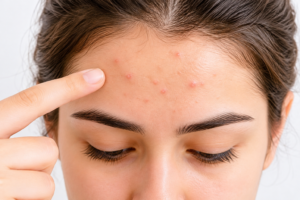

Forehead Pimples That Won’t Go Away: Causes, Treatments, and Prevention
Forehead pimples are a common skin concern that can affect people of all ages. They may appear as small bumps, whiteheads, blackheads, or painful red spots. While most pimples clear up naturally, some can remain for weeks or continue coming back.
These breakouts often develop when excess oil (sebum), dead skin cells, and bacteria accumulate inside hair follicles and block the pores. Hormonal changes, stress, certain hair products, and unsuitable skincare products can also contribute to forehead acne.
If a forehead pimple refuses to heal, it is important to understand what may be causing it. The right skincare routine and treatment can help improve your skin and reduce future breakouts.
What Causes Forehead Pimples?
Forehead pimples can develop for several reasons. Some are related to everyday skincare habits, while others may involve underlying skin conditions.
1. Acne and Clogged Pores
One of the most common causes of forehead pimples is acne. When the skin produces too much sebum, oil can mix with dead skin cells and block hair follicles.
This may lead to:
- Whiteheads (closed clogged pores)
- Blackheads (open clogged pores)
- Small red pimples
- Inflamed and painful bumps
Acne can appear on the forehead, cheeks, chin, chest, and back. Although it is especially common during the teenage years, adults can experience acne too.
2. Cystic Acne
Cystic acne is a more severe form of acne that develops deeper beneath the skin. It can cause large, swollen, painful bumps that may take several weeks to heal.
This type of acne develops when oil and dead skin cells become trapped deep inside hair follicles, causing inflammation.
Cystic acne may leave scars if it is squeezed or picked. A dermatologist can recommend suitable prescription treatments to control severe breakouts.
3. Fungal Acne
Not every forehead breakout is caused by traditional acne. Fungal acne, also called Malassezia folliculitis, occurs when yeast naturally found on the skin grows excessively inside hair follicles.
It may cause:
- Small, similar-looking bumps
- Itching or irritation
- Clusters of red or skin-colored spots
- Breakouts that do not improve with regular acne products
Fungal acne can become worse in hot, humid conditions and may require antifungal treatment rather than conventional acne medication.
Youtube Video
4. Excess Oil and Hair Products
The forehead is close to the hairline, making it easy for oils and styling products to reach the skin.
Hair gels, conditioners, oils, and heavy styling creams may contribute to clogged pores in some people. This can lead to small bumps around the forehead and hairline.
Choosing non-comedogenic skincare and hair products may help reduce these breakouts.
Could a Bump on Your Forehead Be Something Other Than Acne?
Some skin conditions can look similar to ordinary pimples but require different care.
Molluscum Contagiosum
Molluscum contagiosum is a viral skin infection that causes small, raised bumps. They are often white, pink, or skin-colored and may have a tiny indentation in the center.
The bumps can appear on different parts of the body and may spread through direct skin contact. Many cases clear up without treatment, although a healthcare professional can recommend treatment when needed.
Ingrown Hairs
Ingrown hairs develop when a hair curls back into the skin instead of growing outward. They can cause small, red, irritated bumps that resemble pimples.
They are more common after shaving or hair removal, particularly in people with curly or coarse hair.
Avoid picking at ingrown hairs because this can increase irritation and infection risk.
Boils
A boil is a painful, pus-filled lump caused by a bacterial infection in a hair follicle. It may begin as a small red bump and gradually become larger and more swollen.
Unlike ordinary pimples, boils can become quite painful and may require medical treatment.
Skin Cancer
A spot that looks like a pimple but repeatedly returns or refuses to heal should not always be assumed to be acne.
Some types of skin cancer, including basal cell and squamous cell carcinoma, can appear as unusual bumps or sores. Warning signs may include bleeding, crusting, persistent itching, or a growth that does not heal.
If you notice a new or changing forehead spot that persists, arrange an examination with a dermatologist.
How to Treat Forehead Pimples That Won’t Go Away
The best treatment depends on the type and severity of the breakout. For mild forehead acne, a consistent skincare routine and suitable over-the-counter products may help.
1. Avoid Picking or Popping Pimples
It can be tempting to squeeze a forehead pimple, especially when it is visible. However, picking can increase inflammation, introduce bacteria, and raise the risk of dark marks and scarring.
Allow the blemish to heal naturally whenever possible.
2. Wash Your Face Gently
Cleanse your face twice daily using a gentle facial cleanser.
Pay particular attention to washing after sweating or exercising. Avoid harsh scrubs and excessive washing because they can irritate the skin and make breakouts worse.
3. Try a Warm Compress
A warm compress may help soothe a deep, uncomfortable pimple.
Follow these steps:
- Soak a clean washcloth in comfortably warm water.
- Gently squeeze out excess water.
- Place it over the affected area for 10–15 minutes.
- Repeat a few times daily if comfortable.
Never use excessively hot water, and avoid squeezing the pimple afterward.
4. Use Salicylic Acid
Salicylic acid is a common skincare ingredient used to manage mild acne.
It helps remove dead skin cells and clear clogged pores. Start with a lower-strength product and introduce it gradually to reduce the possibility of dryness or irritation.
5. Consider Benzoyl Peroxide
Benzoyl peroxide helps reduce acne-causing bacteria and can be useful for inflammatory pimples.
It is available in different strengths in over-the-counter products. Start with a lower concentration and follow the product instructions.
It can cause dryness and irritation and may bleach towels or clothing.
6. Add a Retinoid to Your Skincare Routine
Topical retinoids, such as adapalene, help prevent clogged pores and reduce acne breakouts.
Introduce them slowly, usually in the evening, and use moisturizer to support your skin barrier. Retinoids can irritate sensitive skin and should be avoided during pregnancy unless a healthcare professional advises otherwise.
7. Moisturize Your Skin
Even acne-prone skin needs hydration. Skipping moisturizer can make your skincare routine harder to tolerate.
Choose a lightweight, fragrance-free, non-comedogenic moisturizer that does not easily clog pores.
How to Prevent Forehead Pimples
Preventing forehead breakouts starts with simple, consistent habits.
- Wash your face gently in the morning and evening.
- Keep oily hair away from your forehead when possible.
- Wash your hair regularly, especially if it becomes greasy.
- Choose non-comedogenic makeup and skincare products.
- Remove makeup before going to bed.
- Avoid touching your forehead throughout the day.
- Clean pillowcases, hats, and headbands regularly.
- Shower or cleanse your skin after heavy sweating.
- Introduce new skincare products gradually.
Remember that acne prevention takes time. A consistent routine is generally more helpful than frequently switching between different products.
When Should You See a Dermatologist?
Most mild forehead pimples improve with appropriate skincare, but some breakouts need professional attention.
Consider seeing a dermatologist if:
- A pimple remains for several weeks without improving.
- You experience large, painful, or deep bumps.
- Forehead acne keeps returning.
- Breakouts leave scars or persistent dark marks.
- Small itchy bumps do not respond to normal acne treatments.
- A spot repeatedly bleeds, crusts, or changes in appearance.
A dermatologist can examine your skin, identify the cause, and recommend an appropriate treatment plan.
Frequently Asked Questions
Why do I keep getting pimples on my forehead?
Repeated forehead pimples may be related to excess oil, clogged pores, hormonal changes, sweat, or hair products. A consistent skincare routine and non-comedogenic products may help reduce breakouts.
How long do forehead pimples take to disappear?
Small pimples may clear within a few days, while deeper or inflamed acne lesions can take several weeks or longer. Persistent or painful breakouts may need professional treatment.
Are small bumps on the forehead always acne?
No. Small forehead bumps can result from clogged pores, fungal acne, irritation, or other skin conditions. Their appearance and symptoms can help a dermatologist determine the cause.
Can hair oil cause forehead pimples?
Hair oils and heavy styling products may contribute to clogged pores around the hairline and forehead. Switching to lighter, non-comedogenic products may help.
Should I pop a forehead pimple?
No. Popping pimples can increase inflammation, cause infection, and leave scars or dark marks. It is better to leave the blemish alone and use suitable acne treatments.
Final Thoughts
Forehead pimples are common, but breakouts that keep returning or refuse to heal can be frustrating. Excess oil, clogged pores, hair products, and different skin conditions may all contribute to the problem.
A gentle skincare routine, suitable acne treatments, and healthy skin habits can help improve the appearance of your forehead. However, if a bump remains painful, changes in appearance, or does not heal, consult a dermatologist to identify the underlying cause and get the right treatment.