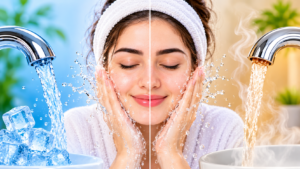

Washing your face is one of the most important steps in any daily skincare routine. It helps remove dirt, excess oil, sweat, makeup and environmental impurities that accumulate on your skin throughout the day. However, one common skincare question remains: Is washing your face with cold water better than using warm water?
Water temperature can influence how your skin feels after cleansing. Cold water may help temporarily reduce facial puffiness and soothe irritated skin, while lukewarm water is generally more effective for everyday cleansing.
Choosing the right water temperature is particularly important if you have dry, oily, sensitive or acne-prone skin. Using extremely hot or cold water may also cause discomfort or irritation in certain individuals.
In this guide, we will explore the benefits and disadvantages of washing your face with cold water, compare cold and warm water, and explain how to develop a simple face-washing routine for healthier-looking skin.
1. How Does Cold Water Affect Your Skin?
Cold water can have several temporary effects on your skin. It may help reduce facial puffiness, soothe the feeling of irritation and make your face feel refreshed.
Some people also prefer cold water because it feels comfortable, particularly during hot weather or after physical activity.
Cold water may be especially appealing to people with dry or sensitive skin because it does not expose the skin to the same heat as hot water.
However, cold water is not necessarily the best option for removing every type of dirt, oil or skincare residue.
Potential Benefits of Washing Your Face with Cold Water
Here are some possible benefits of using cold water as part of your skincare routine:
- May reduce facial puffiness: Cold water can temporarily reduce the appearance of morning puffiness.
- Provides a refreshing feeling: A cool rinse can make your face feel refreshed, particularly during warmer weather.
- May soothe temporary irritation: Cool water can feel soothing when your skin feels warm or mildly irritated.
- May reduce the appearance of redness: Cooler temperatures can temporarily affect blood vessel activity and may help some people feel more comfortable.
- Can be comfortable for dry skin: Avoiding hot water may help prevent additional moisture loss associated with excessive heat.
Although these effects can be beneficial, cold water should not be considered a treatment for acne, rosacea or other medical skin conditions.
2. Disadvantages of Washing Your Face with Cold Water
Despite its potential benefits, washing your face exclusively with cold water also has some disadvantages.
Cold water may be less effective at removing heavy makeup, sunscreen and excess oily residue, particularly when used without an appropriate facial cleanser.
Your cleanser and its ingredients play an important role in removing impurities. Lukewarm water generally provides a comfortable temperature for everyday cleansing.
Common Disadvantages
1. May Not Remove Excess Oil Effectively
Cold water does not dissolve oily substances as effectively as warmer water. This may make cleansing less effective when your face has accumulated excess oil, sunscreen or makeup.
2. May Leave Some Residue Behind
If you do not cleanse properly, makeup, dirt and skincare residue may remain on your skin.
3. Does Not Treat Acne
Although some people believe cold water prevents acne, there is limited evidence that water temperature alone can prevent breakouts. Acne management generally requires an appropriate skincare routine and, when necessary, medical treatment.
4. May Feel Uncomfortable for Sensitive Individuals
Extremely cold water may cause discomfort, especially if your skin is already sensitive or irritated.
For these reasons, cold water can be used as an optional finishing rinse, but it does not need to replace your regular cleansing routine.
3. Cold Water vs. Warm Water: Which Is Better for Your Face?
Choosing between cold and warm water depends on your skin type, personal comfort and cleansing needs.
Both temperatures have different effects on your skin.
Benefits of Cold Water
Cold water may:
- Temporarily reduce facial puffiness.
- Provide a refreshing sensation.
- Help soothe the feeling of mild irritation.
- Feel comfortable for people who dislike hot water.
- Temporarily reduce the appearance of redness in some situations.
Benefits of Lukewarm Water
Lukewarm water is generally recommended for daily facial cleansing because it offers a comfortable balance between cleaning effectiveness and skin protection.
Its potential benefits include:
- Helping remove dirt, sweat and excess oil.
- Supporting effective use of facial cleansers.
- Avoiding excessive heat exposure.
- Providing a comfortable cleansing experience.
- Making it easier to rinse away skincare products.
The American Academy of Dermatology recommends washing your face with lukewarm water rather than hot water.
Why Should You Avoid Hot Water?
Hot water can remove some of the natural oils that help maintain your skin barrier.
Excessive exposure to hot water may contribute to:
- Dryness and tightness.
- Increased skin sensitivity.
- Irritation and redness.
- Discomfort in people with existing skin conditions.
If you regularly experience dry or sensitive skin, avoiding hot water may help improve your cleansing experience.
4. Is Cold Water Good for Acne-Prone Skin?
People with acne-prone skin often look for simple ways to reduce breakouts. Washing the face with cold water is sometimes suggested as a natural acne prevention method.
However, cold water alone cannot prevent acne.
Acne develops when hair follicles become clogged with oil and dead skin cells. Hormonal changes, inflammation and other factors can also contribute to breakouts.
A suitable skincare routine is more important than choosing a particular water temperature.
Skincare Tips for Acne-Prone Skin
Consider following these habits:
- Wash your face twice daily using a gentle cleanser.
- Avoid aggressive scrubbing.
- Choose non-comedogenic skincare products.
- Avoid frequently touching or squeezing pimples.
- Use suitable moisturisers.
- Apply broad-spectrum sunscreen with SPF 30 or higher.
- Consider appropriate acne treatments when necessary.
If acne is persistent or severe, consult a dermatologist for professional advice.
5. How Often Should You Wash Your Face?
The frequency of facial cleansing can influence your overall skin health.
For most people, washing the face twice daily is a practical approach:
Morning:
Cleanse your face after waking up to remove accumulated oil, sweat and residue from the night.
Evening:
Wash your face before going to bed to remove sunscreen, makeup, dirt and other impurities collected throughout the day.
You should also wash your face after activities that cause excessive sweating.
However, washing too frequently may remove natural skin oils and contribute to dryness or irritation.
Choose a cleansing schedule that suits your skin type and daily activities.
6. The Best Way to Wash Your Face for Healthy Skin
A proper cleansing routine does not need to be complicated. Following a few simple steps can help keep your skin clean and comfortable.
Step 1: Use Lukewarm Water
Start by gently wetting your face with lukewarm water. Avoid extremely hot or cold temperatures.
Step 2: Apply a Gentle Facial Cleanser
Choose a cleanser suitable for your skin type.
For example:
- Dry skin: Choose a gentle, hydrating cleanser.
- Oily skin: Consider a suitable cleanser that removes excess oil without excessive dryness.
- Sensitive skin: Choose fragrance-free, gentle formulations.
- Acne-prone skin: Consider cleansers designed for acne-prone skin.
Step 3: Massage Gently
Use your fingertips to massage the cleanser across your face.
Avoid rough scrubbing, harsh brushes or excessive pressure.
Step 4: Rinse Thoroughly
Rinse your face with lukewarm water until the cleanser is completely removed.
Step 5: Pat Your Face Dry
Use a clean, soft towel and gently pat your face dry instead of rubbing it.
Step 6: Apply Moisturiser
Finish your cleansing routine with a suitable moisturiser to help maintain hydration and support the skin barrier.
During the morning, follow your moisturiser with broad-spectrum sunscreen.
7. Does Cold Water Help Reduce Facial Puffiness?
Cold water may temporarily reduce the appearance of facial puffiness, particularly around the eyes.
Cool temperatures can temporarily influence blood vessel activity and provide a soothing sensation.
Some people prefer splashing their face with cool water in the morning because it makes their skin feel refreshed and more awake.
However, cold water is not a permanent solution for facial puffiness.
Other factors, including sleep quality, allergies, dietary habits and fluid retention, can influence how puffy your face appears.
Maintaining healthy sleep habits and identifying possible triggers can help address recurring puffiness.
8. Important Face-Washing Tips for Every Skin Type
Your skincare routine should be based on your individual skin needs rather than following every beauty trend.
Here are some useful tips to remember:
Be Gentle With Your Skin
Use your fingertips and avoid excessive rubbing or scrubbing.
Wash Your Face After Sweating
Sweat mixed with oil and dirt can contribute to clogged pores. Cleanse your face after exercise or heavy sweating.
Choose Suitable Skincare Products
Select cleansers and moisturisers according to your skin type and concerns.
Maintain Proper Hydration
Drink enough water throughout the day to support normal body functions.
Avoid Extreme Water Temperatures
Use comfortable lukewarm water instead of extremely hot or cold water.
Do Not Overwash
Cleansing too frequently may cause dryness and irritation.
Follow a Consistent Routine
A simple routine that you follow consistently is generally more practical than frequently changing products.
9. When Should You Consult a Dermatologist?
Sometimes, facial redness, irritation, dryness or acne may be associated with an underlying skin condition.
Consider consulting a dermatologist if you experience:
- Persistent facial redness.
- Severe or recurring acne.
- Frequent skin irritation.
- Unexplained itching or rashes.
- Excessive dryness or peeling.
- Symptoms of rosacea or eczema.
A dermatologist can evaluate your skin and recommend appropriate treatment based on your individual needs.
Frequently Asked Questions (FAQs)
1. Is cold water better than warm water for washing your face?
Lukewarm water is generally the better choice for everyday facial cleansing. Cold water may temporarily reduce puffiness and feel refreshing, but it may not remove oily residue as effectively.
2. Can washing your face with cold water prevent acne?
No. Cold water alone cannot prevent acne. A suitable cleanser, appropriate skincare products and consistent skincare habits are more important.
3. Does cold water tighten facial pores?
Cold water may temporarily change the appearance of your skin, making pores look less noticeable. However, it does not permanently shrink or close pores.
4. Should I wash my face with cold water every morning?
You can use cool water if you find it comfortable. However, lukewarm water is generally recommended for effective daily cleansing.
5. Is hot water harmful to facial skin?
Very hot water can strip natural skin oils and contribute to dryness, irritation and discomfort. Lukewarm water is a better option.
6. How many times should I wash my face daily?
For most people, washing twice daily, once in the morning and once before bed, is sufficient. You should also cleanse after excessive sweating.
Conclusion: Choose the Right Water Temperature for Healthy Skin
When comparing cold water vs. warm water for washing your face, lukewarm water is generally the best everyday choice.
Cold water can provide temporary benefits, including reducing facial puffiness and creating a refreshing feeling. However, it may not be as effective for removing excess oil, makeup and other impurities.
Extremely hot water should also be avoided because it can strip natural oils and contribute to skin dryness and irritation.
For healthier-looking skin, focus on using a gentle cleanser, washing your face with lukewarm water, applying a suitable moisturiser and protecting your skin from sunlight.
Remember, maintaining healthy skin is not about following complicated beauty trends. It is about understanding your skin, choosing appropriate products and developing simple habits that support its natural health.